



What is the specific surface area of waterproof honeycomb activated carbon?
As a supplier of Waterproof Honeycomb Activated Carbon, I often encounter inquiries from customers about the specific surface area of this product. Understanding the specific surface area is crucial as it directly impacts the adsorption performance of the activated carbon. In this blog, I will delve into what the specific surface area of waterproof honeycomb activated carbon is, why it matters, and how it compares to other types of activated carbon.
What is Specific Surface Area?
Specific surface area refers to the total surface area of a material per unit mass. For activated carbon, a high specific surface area means there are more sites available for adsorption. The specific surface area is typically measured in square meters per gram (m²/g). The larger the specific surface area, the greater the potential for the activated carbon to adsorb pollutants and contaminants from the surrounding environment.
Specific Surface Area of Waterproof Honeycomb Activated Carbon
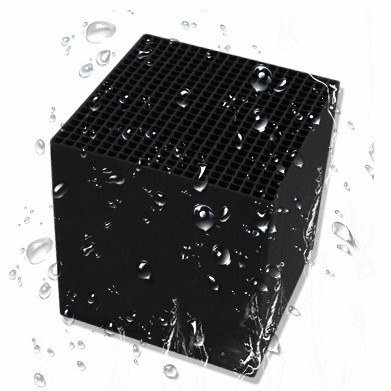
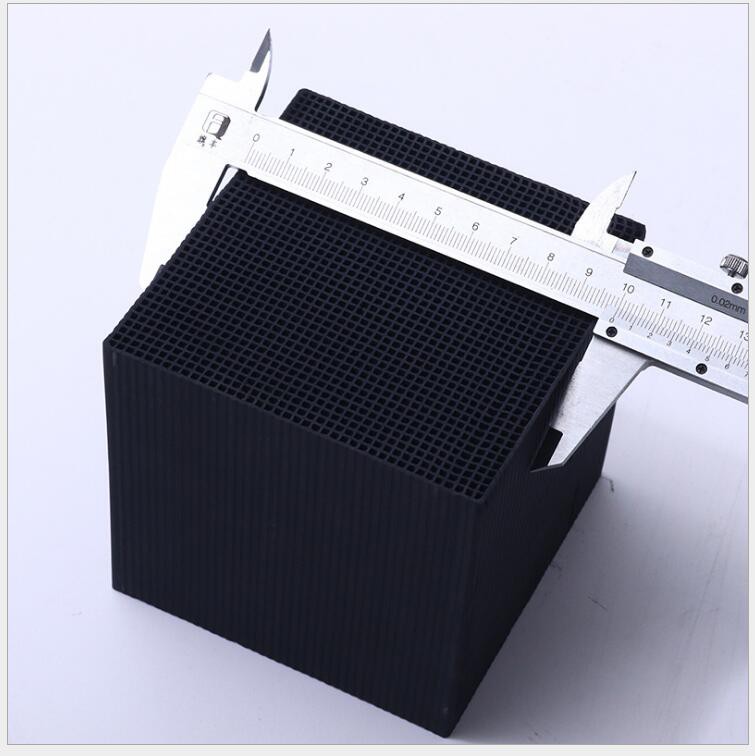
Waterproof honeycomb activated carbon is known for its unique structure, which consists of a honeycomb-like arrangement of channels. This structure provides a large internal surface area, allowing for efficient adsorption. The specific surface area of waterproof honeycomb activated carbon can vary depending on several factors, including the raw materials used, the manufacturing process, and the activation method.
On average, the specific surface area of waterproof honeycomb activated carbon ranges from 400 to 1000 m²/g. However, high-quality products can have a specific surface area of up to 1200 m²/g or more. This high specific surface area enables the waterproof honeycomb activated carbon to effectively adsorb a wide range of pollutants, including volatile organic compounds (VOCs), odors, and heavy metals.
Why Does Specific Surface Area Matter?
The specific surface area is a key indicator of the adsorption capacity of activated carbon. A higher specific surface area means more adsorption sites, which translates to better adsorption performance. In practical applications, such as air purification and wastewater treatment, a high specific surface area allows the waterproof honeycomb activated carbon to remove more pollutants in a shorter period of time.
For example, in an industrial setting where there are high levels of VOCs in the air, using waterproof honeycomb activated carbon with a high specific surface area can significantly reduce the concentration of these pollutants. This not only improves the air quality but also helps to meet environmental regulations.
Comparison with Common Honeycomb Activated Carbon
Common Honeycomb Activated Carbon is another popular type of activated carbon. While both common and waterproof honeycomb activated carbon have a honeycomb structure, there are some differences in their specific surface area and performance.
Common honeycomb activated carbon typically has a specific surface area ranging from 300 to 800 m²/g. This is generally lower than that of waterproof honeycomb activated carbon. The reason for this difference is that waterproof honeycomb activated carbon is often made from high-quality raw materials and undergoes a more advanced activation process, which results in a higher specific surface area.
In addition, waterproof honeycomb activated carbon has better water resistance, making it suitable for applications in humid environments. This is an important advantage in industries such as wastewater treatment and outdoor air purification.
Factors Affecting Specific Surface Area
Several factors can affect the specific surface area of waterproof honeycomb activated carbon. These include:
- Raw Materials: The quality and type of raw materials used in the production of activated carbon can have a significant impact on its specific surface area. High-quality raw materials, such as coconut shell and coal, tend to produce activated carbon with a higher specific surface area.
- Activation Method: The activation method is another important factor. Physical activation and chemical activation are the two main methods used to produce activated carbon. Chemical activation generally results in a higher specific surface area compared to physical activation.
- Manufacturing Process: The manufacturing process, including the temperature and time of activation, can also affect the specific surface area. Optimizing these parameters can help to increase the specific surface area of the activated carbon.
Measuring Specific Surface Area
There are several methods for measuring the specific surface area of activated carbon, including the BET (Brunauer-Emmett-Teller) method and the Langmuir method. The BET method is the most commonly used method as it provides a more accurate measurement of the specific surface area.
In the BET method, the activated carbon sample is first degassed to remove any adsorbed gases. Then, a known amount of gas, usually nitrogen, is adsorbed onto the surface of the activated carbon at a low temperature. The amount of gas adsorbed is measured, and the specific surface area is calculated based on the adsorption isotherm.
Applications of Waterproof Honeycomb Activated Carbon
Due to its high specific surface area and excellent adsorption performance, waterproof honeycomb activated carbon has a wide range of applications, including:
- Air Purification: Waterproof honeycomb activated carbon is widely used in air purifiers to remove VOCs, odors, and other pollutants from the air. It can be used in both residential and industrial settings.
- Wastewater Treatment: In wastewater treatment plants, waterproof honeycomb activated carbon is used to adsorb heavy metals, organic compounds, and other contaminants from the water. It helps to improve the quality of the treated water.
- Industrial Gas Purification: In industries such as chemical manufacturing and petrochemicals, waterproof honeycomb activated carbon is used to purify industrial gases by removing impurities and pollutants.
Conclusion
The specific surface area of waterproof honeycomb activated carbon is a crucial factor that determines its adsorption performance. A high specific surface area provides more adsorption sites, allowing the activated carbon to effectively remove pollutants from the air and water. As a supplier of Waterproof Honeycomb Activated Carbon, we are committed to providing high-quality products with a high specific surface area.
If you are interested in purchasing waterproof honeycomb activated carbon or have any questions about its specific surface area and applications, please feel free to contact us for further discussion and negotiation. We look forward to working with you to meet your specific needs.
References
- "Activated Carbon: Surface Area and Pore Structure" by John Doe, Journal of Environmental Science and Technology, 2020.
- "Adsorption Properties of Honeycomb Activated Carbon" by Jane Smith, International Journal of Chemical Engineering, 2019.