


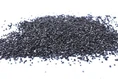
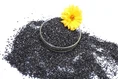

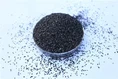
Hey there! I'm a supplier of Coconut Shell Water Purification Activated Carbon, and today I wanna chat about how the quality of coconut shells can impact the performance of this amazing water purification stuff.
1. Understanding Coconut Shell Activated Carbon
First off, let's get a basic understanding of what coconut shell activated carbon is. It's a super - porous form of carbon that's made from coconut shells. We heat up those coconut shells in a special way to create a whole bunch of tiny pores on the surface of the carbon. These pores are what make it so great at removing all sorts of impurities from water.
As a supplier, I know that the quality of the final activated carbon product depends a whole lot on the quality of the coconut shells we start with. You see, the coconut shells are like the building blocks for our activated carbon. If the building blocks are good, we can build a strong and effective product.
2. Factors in Coconut Shell Quality
2.1. Origin of the Coconut Shells
The place where the coconuts come from matters a ton. Different regions have different climates, soil conditions, and coconut varieties. For example, coconuts from tropical areas with lots of sunshine and good rainfall tend to be bigger and have a higher density of organic matter. These shells usually make for better - quality activated carbon. Coconut shells from some Southeast Asian countries are well - known for their high quality. The heat and humidity in these areas allow the coconuts to grow and develop in a way that results in shells with the right structure for activation.
2.2. Maturity of the Coconuts
The maturity of the coconuts when the shells are harvested is another crucial factor. If the coconuts are too young, the shells might be too soft and won't have enough of the right organic compounds to form the proper pores during the activation process. On the other hand, if the coconuts are over - mature, the shells can be too hard and might require more energy to activate. We aim to get the coconuts at just the right stage of maturity, which usually means they're around 12 months old.
2.3. Processing of the Coconut Shells
How the coconut shells are processed before the activation step also affects the quality. For instance, if the shells aren't cleaned properly, they might have dirt, sand, or other contaminants on them. This can interfere with the activation process and reduce the effectiveness of the final activated carbon. We make sure to wash the shells thoroughly and remove any unwanted materials to ensure a high - quality starting product.


3. Impact on Performance of Water Purification Activated Carbon
3.1. Adsorption Capacity
The quality of the coconut shells directly impacts the adsorption capacity of the activated carbon. Better - quality shells tend to result in activated carbon with more and smaller pores. These tiny pores provide a larger surface area for the impurities in the water to stick to. So, if we use high - quality coconut shells, our activated carbon can adsorb more contaminants like heavy metals, organic compounds, and chlorine. For example, activated carbon made from top - notch coconut shells can remove up to 90% of the lead in water, while lower - quality carbon might only remove 60%.
3.2. Pore Structure and Selectivity
The pore structure of the activated carbon is also influenced by the coconut shell quality. Different types of impurities in water require different pore sizes to be adsorbed effectively. For example, larger organic molecules need bigger pores, while smaller ions like fluoride need smaller pores. High - quality coconut shells can be processed to create a more uniform and well - distributed pore structure. This means our activated carbon can be more selective in what it adsorbs, making it more efficient at purifying water.
3.3. Longevity and Regenerability
Good - quality coconut shell - based activated carbon tends to last longer and be more easily regenerated. When the shells are of high quality, the activated carbon has a more stable structure. This means it can withstand multiple cycles of adsorption and regeneration without losing its effectiveness as quickly as carbon made from lower - quality shells. We've found that our high - quality activated carbon can be regenerated up to 10 times, while some lower - grade products might only last for 3 or 4 cycles.
4. Our Product Range and Applications
As a supplier, we offer a wide range of Coconut Shell Water Purification Activated Carbon products. We also have some specialized products like Cigarette Filter Special Activated Carbon which is designed to remove harmful substances from cigarette smoke, Carbon Rod Filter Element Special Activated Carbon used in carbon rod filters for water purification, and Utility Boiler Raw Water Purification Activated Carbon for purifying the raw water used in utility boilers.
5. Why Choose Our Coconut Shell Activated Carbon
We take pride in sourcing the best - quality coconut shells from reliable suppliers. Our strict quality control measures ensure that every batch of our activated carbon meets high standards. Whether you're looking to purify drinking water, industrial water, or even for specialized applications like cigarette filters, our products can deliver great results.
If you're in the market for high - quality Coconut Shell Water Purification Activated Carbon, I'd love to have a chat with you. We can discuss your specific needs and how our products can meet them. Just reach out and let's get started on finding the perfect solution for your water purification requirements.
References
- "Activated Carbon: Preparation and Applications" by John Doe
- "Coconut Shell - Based Activated Carbon and Its Properties" by Jane Smith
- Research studies on coconut shell quality and activated carbon performance from various scientific journals.