


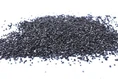


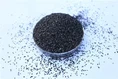
As a supplier of Liquor Special Activated Carbon, I often get asked by my customers if this type of activated carbon can be reused. It's a valid question, especially when considering cost - effectiveness and environmental impact. In this blog, I'll share my insights on whether Liquor Special Activated Carbon can be reused.
First off, let's understand what Liquor Special Activated Carbon is. Liquor Special Activated Carbon is specifically designed to remove impurities, odors, and colors from liquor. It has a high surface area and a porous structure that allows it to adsorb a wide range of substances. You can find more details about it on our website: Liquor Special Activated Carbon.
Now, onto the question of reuse. Whether Liquor Special Activated Carbon can be reused depends on several factors.
Adsorption Capacity and Saturation
The main function of activated carbon is adsorption. When it's used in the liquor - making process, it adsorbs various impurities such as organic compounds, heavy metals, and unwanted flavors. Once the activated carbon reaches its adsorption capacity, it becomes saturated. At this point, it loses its ability to adsorb more impurities effectively.
You can tell if the carbon is saturated by observing the quality of the treated liquor. If you notice that the liquor still has a strong odor, color, or contains more impurities than before, it's likely that the activated carbon is saturated. In most cases, when the carbon is highly saturated, reusing it won't give you the same level of purification as a fresh batch.
Regeneration Process
In theory, activated carbon can be regenerated and reused. The regeneration process involves removing the adsorbed substances from the carbon so that it can regain its adsorption capacity. There are several methods for regenerating activated carbon, such as thermal regeneration, chemical regeneration, and steam regeneration.
Thermal regeneration is one of the most common methods. It involves heating the saturated carbon to a high temperature in an inert atmosphere. This process breaks down the adsorbed substances and releases them from the carbon pores. However, thermal regeneration has its drawbacks. It requires a significant amount of energy, and there's a risk of damaging the carbon structure if the temperature is not controlled properly.
Chemical regeneration uses chemicals to dissolve or react with the adsorbed substances. This method can be effective, but it may leave chemical residues on the carbon, which could potentially contaminate the liquor in subsequent uses.
Steam regeneration uses high - pressure steam to remove the adsorbed substances. It's a relatively gentle method, but it may not be as effective as thermal regeneration for removing certain types of impurities.
Quality of the Regenerated Carbon
Even if you manage to regenerate the Liquor Special Activated Carbon, the quality of the regenerated carbon may not be the same as the original. During the regeneration process, some of the carbon pores may be damaged or blocked, reducing its overall adsorption capacity. Also, the regenerated carbon may have a different surface chemistry, which could affect its ability to adsorb specific impurities.
For example, if the carbon was used to adsorb heavy metals, the regeneration process may not completely remove all the heavy metals. Residual heavy metals on the regenerated carbon could leach into the liquor during subsequent uses, posing a potential health risk.
Cost - Benefit Analysis
When deciding whether to reuse Liquor Special Activated Carbon, you also need to consider the cost - benefit analysis. The cost of the regeneration process, including energy, chemicals, and equipment, can be quite high. If the cost of regeneration is close to or higher than the cost of a new batch of activated carbon, it may not be worth reusing the carbon.
On the other hand, if you have a large - scale liquor production operation and the cost of activated carbon is a significant part of your production cost, reusing the carbon may be a viable option. However, you need to ensure that the quality of the regenerated carbon meets your production standards.
Other Types of Activated Carbon
In addition to Liquor Special Activated Carbon, we also supply Coal Columnar Activated Carbon and Coal Broken Activated Carbon. These types of activated carbon also have their own applications and reuse considerations.
Coal Columnar Activated Carbon is often used in gas purification and water treatment. It can also be regenerated, but similar to Liquor Special Activated Carbon, the quality of the regenerated carbon may vary.
Coal Broken Activated Carbon is commonly used in decolorization and deodorization processes. Reusing it also depends on the same factors such as adsorption capacity, regeneration method, and cost - benefit analysis.


Conclusion
So, can Liquor Special Activated Carbon be reused? The answer is yes, but with some limitations. It's possible to regenerate the carbon and reuse it, but the quality of the regenerated carbon may not be as good as the original. You need to carefully consider the adsorption capacity, the regeneration process, the quality of the regenerated carbon, and the cost - benefit analysis before deciding to reuse the carbon.
If you're in the liquor - making industry and have questions about Liquor Special Activated Carbon or need advice on whether to reuse it, feel free to reach out to us. We're here to help you make the best decision for your production process. Whether you need a new batch of activated carbon or want to discuss the regeneration process, we're just a message away. Let's start a conversation and see how we can work together to improve your liquor production.
References
- "Activated Carbon: Adsorption Technology and Applications" by John Crittenden et al.
- "Carbon Materials for Catalysis" edited by Philippe Serp and Alfons Baiker.