


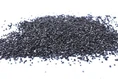


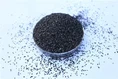
In the intricate world of liquor production, achieving a smooth and refined taste is often the holy grail for distillers. One unsung hero in this pursuit is Liquor Special Activated Carbon. As a proud supplier of this remarkable product, I've witnessed firsthand its transformative impact on the quality of various liquors. In this blog post, I'll delve into the science behind Liquor Special Activated Carbon and explore its crucial role in enhancing the smoothness of liquor.
Understanding Liquor Special Activated Carbon
Liquor Special Activated Carbon is a highly specialized form of activated carbon designed specifically for the liquor industry. It is produced through a meticulous process that involves heating carbonaceous materials, such as coal or coconut shells, to high temperatures in the absence of oxygen. This process creates a highly porous structure with a vast surface area, which gives activated carbon its remarkable adsorption properties.
The Liquor Special Activated Carbon we supply is carefully engineered to target specific impurities and unwanted compounds in liquor. These impurities can include volatile organic compounds (VOCs), heavy metals, and other contaminants that can contribute to a harsh or unpleasant taste. By selectively adsorbing these impurities, the activated carbon helps to purify the liquor and enhance its smoothness.


The Science of Adsorption
Adsorption is the process by which molecules adhere to the surface of a solid material. In the case of Liquor Special Activated Carbon, the porous structure provides an ideal surface for the adsorption of impurities. The large surface area of the activated carbon allows for a high degree of interaction between the carbon and the impurities in the liquor, effectively removing them from the solution.
The adsorption process is based on several factors, including the size and shape of the pores in the activated carbon, the chemical properties of the impurities, and the temperature and pressure of the liquor. Our Liquor Special Activated Carbon is carefully designed to optimize these factors, ensuring maximum adsorption efficiency and selectivity.
Removing Unwanted Compounds
One of the primary ways in which Liquor Special Activated Carbon enhances the smoothness of liquor is by removing unwanted compounds that can contribute to a harsh or bitter taste. These compounds can include aldehydes, ketones, and certain esters, which are often formed during the fermentation and distillation processes.
Aldehydes and ketones are known for their strong, pungent odors and can give liquor a harsh, chemical taste. By adsorbing these compounds, the activated carbon helps to reduce their concentration in the liquor, resulting in a smoother, more refined taste. Similarly, certain esters can contribute to a fruity or floral aroma, but in excessive amounts, they can also give liquor a cloying or artificial taste. The activated carbon can selectively adsorb these esters, helping to balance the flavor profile of the liquor.
Eliminating Heavy Metals
Another important role of Liquor Special Activated Carbon is to eliminate heavy metals from the liquor. Heavy metals, such as lead, mercury, and cadmium, can be present in trace amounts in the raw materials used for liquor production or can be introduced during the distillation or storage process. These metals can not only have a negative impact on the taste and quality of the liquor but can also pose a health risk to consumers.
Activated carbon has a high affinity for heavy metals, and it can effectively adsorb them from the liquor. By removing these contaminants, the activated carbon helps to ensure the safety and purity of the liquor, as well as enhance its smoothness and overall quality.
Improving Color and Clarity
In addition to enhancing the taste and removing impurities, Liquor Special Activated Carbon can also improve the color and clarity of the liquor. During the fermentation and distillation processes, various compounds can be formed that can give the liquor a cloudy or discolored appearance. These compounds can include tannins, phenols, and other organic substances.
The activated carbon can adsorb these compounds, helping to clarify the liquor and improve its appearance. This is particularly important for certain types of liquor, such as vodka and gin, which are typically expected to be clear and colorless. By using Liquor Special Activated Carbon, distillers can ensure that their products meet the high standards of quality and appearance demanded by consumers.
Comparing with Other Types of Activated Carbon
While Liquor Special Activated Carbon is specifically designed for the liquor industry, other types of activated carbon, such as Coal Columnar Activated Carbon and Coal Broken Activated Carbon, can also be used in certain applications. However, these types of activated carbon may not offer the same level of selectivity and efficiency as Liquor Special Activated Carbon.
Coal Columnar Activated Carbon and Coal Broken Activated Carbon are commonly used in water treatment, air purification, and other industrial applications. They are typically produced from coal and have a more general-purpose adsorption capacity. While they may be able to remove some impurities from liquor, they may not be as effective at targeting the specific compounds that contribute to a harsh or unpleasant taste.
Conclusion
In conclusion, Liquor Special Activated Carbon plays a crucial role in enhancing the smoothness of liquor. By selectively adsorbing unwanted compounds, eliminating heavy metals, and improving color and clarity, the activated carbon helps to purify the liquor and create a more refined and enjoyable drinking experience.
As a supplier of Liquor Special Activated Carbon, we are committed to providing our customers with the highest quality products and outstanding customer service. Our team of experts is available to answer any questions you may have and to help you find the right solution for your liquor production needs.
If you're interested in learning more about our Liquor Special Activated Carbon or would like to discuss a potential purchase, please don't hesitate to contact us. We look forward to working with you to achieve the perfect smoothness in your liquor.
References
- "Activated Carbon: Principles and Applications" by Radisav Vidic and Jacek Bandosz
- "The Chemistry of Alcoholic Beverages" by R. J. Simpson
- "Liquor Production and Quality Control" by John Smith