




In the realm of liquor production, the pursuit of high - quality spirits is a constant endeavor. One of the key elements in this process is the purification of liquor, which significantly impacts its taste, aroma, and overall quality. As a supplier of Liquor Special Activated Carbon, I often receive inquiries about whether our product can be used in combination with other purification agents. In this blog, I will delve into this topic, exploring the scientific rationale, potential benefits, and considerations when using Liquor Special Activated Carbon in conjunction with other purification agents.
Understanding Liquor Special Activated Carbon
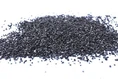
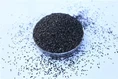
Before we discuss its combination with other agents, it's essential to understand what Liquor Special Activated Carbon is. Liquor Special Activated Carbon is a highly porous material with a large surface area. It is specifically designed to adsorb impurities, odors, and unwanted substances from liquor. These impurities can include aldehydes, ketones, esters, and other organic compounds that may affect the flavor and clarity of the liquor.
The activation process of this carbon creates a network of tiny pores, which act as traps for molecules. When liquor comes into contact with the activated carbon, the impurities are attracted to the surface of the carbon and held there through physical adsorption. This process helps to improve the sensory characteristics of the liquor, making it smoother, cleaner, and more palatable.
Other Purification Agents in Liquor Production
There are several other purification agents commonly used in liquor production. These include ion - exchange resins, silica gels, and bentonite clay.
Ion - exchange resins are used to remove specific ions from the liquor. They work by exchanging ions in the resin with ions in the liquor. For example, they can be used to remove metal ions such as iron and copper, which can cause off - flavors and discoloration in the liquor.
Silica gels are another type of purification agent. They are effective in removing high - molecular - weight compounds, such as proteins and tannins. These compounds can cause haze in the liquor, and silica gels help to clarify it by adsorbing these substances.
Bentonite clay is often used in wine production but can also be applied in other liquors. It is a negatively charged clay that can adsorb positively charged particles, such as proteins and some colloids. This helps to improve the stability and clarity of the liquor.
Can Liquor Special Activated Carbon be Used in Combination with Other Purification Agents?
The short answer is yes, Liquor Special Activated Carbon can be used in combination with other purification agents. In fact, using a combination of purification methods can often lead to better results than using a single agent alone.
Scientific Rationale
Each purification agent has its own unique mechanism of action and targets different types of impurities. For example, Liquor Special Activated Carbon is excellent at adsorbing a wide range of organic compounds, while ion - exchange resins are more specific in removing certain ions. By combining these agents, we can target a broader spectrum of impurities in the liquor.
Let's take the example of a whiskey production. Whiskey may contain a variety of impurities, including organic compounds that contribute to off - flavors, as well as metal ions that can cause discoloration. Using Liquor Special Activated Carbon alone may remove the organic impurities, but it may not be effective in removing the metal ions. On the other hand, using an ion - exchange resin alone may remove the metal ions but leave the organic impurities behind. By using both agents in sequence, we can achieve a more comprehensive purification of the whiskey.
Potential Benefits
- Enhanced Purification: As mentioned earlier, using a combination of agents allows for the removal of a wider range of impurities. This can lead to a significant improvement in the quality of the liquor, including its taste, aroma, and clarity.
- Customized Purification: Different liquors have different impurity profiles. By combining different purification agents, producers can customize the purification process according to the specific needs of their product. For example, a vodka producer may focus more on removing organic compounds and metal ions, while a wine producer may need to remove proteins and tannins in addition to other impurities.
- Cost - Effectiveness: In some cases, using a combination of agents can be more cost - effective than using a single high - performance agent. For example, instead of using a very expensive resin to remove all types of impurities, a producer can use a combination of a less expensive resin and Liquor Special Activated Carbon to achieve similar results at a lower cost.
Considerations when Using Combinations
While using Liquor Special Activated Carbon in combination with other purification agents can be beneficial, there are also some considerations that producers need to keep in mind.


Compatibility
Not all purification agents are compatible with each other. For example, some agents may react with each other, leading to the formation of new compounds or reducing the effectiveness of one or both agents. Before using a combination of agents, it is important to conduct compatibility tests to ensure that they work well together.
Order of Use
The order in which the purification agents are used can also affect the results. In general, agents that target larger particles or more easily removable impurities should be used first. For example, bentonite clay can be used to remove large - sized proteins and colloids before using Liquor Special Activated Carbon to remove smaller organic compounds.
Dosage
Determining the correct dosage of each purification agent is crucial. Using too much of an agent can lead to over - purification, which may remove desirable compounds from the liquor and affect its flavor. On the other hand, using too little may not achieve the desired level of purification. Producers need to carefully optimize the dosage of each agent based on the characteristics of the liquor and the purification goals.
Our Products and Their Role in Combination Purification
As a supplier of Liquor Special Activated Carbon, we offer high - quality products that are well - suited for combination purification. Our Coal Broken Activated Carbon and Coal Columnar Activated Carbon also have unique properties that can be combined with Liquor Special Activated Carbon and other purification agents.
Coal Broken Activated Carbon has a high adsorption capacity and is suitable for removing a variety of organic and inorganic impurities. It can be used in the initial stages of purification to remove larger particles and some of the more easily adsorbed impurities.
Coal Columnar Activated Carbon, on the other hand, has a more uniform pore structure and is often used for more precise purification. It can be used in combination with Liquor Special Activated Carbon to achieve a more targeted removal of specific impurities.
Conclusion
In conclusion, Liquor Special Activated Carbon can be effectively used in combination with other purification agents in liquor production. The combination offers enhanced purification, customized solutions, and potential cost - savings. However, producers need to carefully consider compatibility, order of use, and dosage to ensure the best results.
If you are a liquor producer looking to improve the quality of your products through purification, we invite you to explore our range of activated carbon products. Our team of experts is ready to assist you in finding the most suitable combination of purification agents for your specific needs. Contact us to start a discussion about your purification requirements and let's work together to create high - quality liquors.
References
- "Principles of Wine Production" by Ronald S. Jackson
- "Distilled Spirits Technology" by Charles S. Ough
- "Activated Carbon Adsorption" by Perry's Chemical Engineers' Handbook