


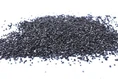


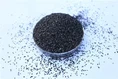
As a supplier of Cigarette Filter Special Activated Carbon, I've witnessed firsthand the critical role this product plays in the tobacco industry. Activated carbon is renowned for its exceptional adsorption properties, which are harnessed in cigarette filters to reduce the levels of harmful substances inhaled by smokers. However, one aspect that often goes unnoticed but is of significant importance is the impact of aging on the performance of this specialized activated carbon.
Understanding Cigarette Filter Special Activated Carbon
Cigarette Filter Special Activated Carbon is a highly porous material with a large surface area, typically derived from coconut shells, coal, or wood. Its unique structure allows it to adsorb a wide range of chemical compounds, including tar, nicotine, and various volatile organic compounds (VOCs) present in tobacco smoke. This adsorption process helps to improve the taste of the cigarette and reduce the health risks associated with smoking.
Our Cigarette Filter Special Activated Carbon is specifically designed to meet the stringent requirements of the tobacco industry. It undergoes a series of rigorous manufacturing processes to ensure consistent quality and performance. The activation process creates a network of micropores and mesopores within the carbon structure, which are responsible for the adsorption of harmful substances.
The Aging Process of Activated Carbon
Like any other material, activated carbon is subject to aging over time. The aging process can be influenced by various factors, including storage conditions, exposure to air, humidity, and temperature. When activated carbon is exposed to air, it can react with oxygen and other atmospheric gases, leading to the formation of surface oxides. These surface oxides can block the pores of the activated carbon, reducing its adsorption capacity.
Humidity is another critical factor that can accelerate the aging process. Water molecules can adsorb onto the surface of the activated carbon, causing it to swell and reducing the available pore volume for adsorption. High temperatures can also have a detrimental effect on the performance of activated carbon. At elevated temperatures, the surface oxides can decompose, releasing gases and causing the carbon structure to collapse.
Impact of Aging on Adsorption Capacity
One of the most significant impacts of aging on Cigarette Filter Special Activated Carbon is the reduction in its adsorption capacity. As the activated carbon ages, the pores become blocked by surface oxides and other contaminants, making it less effective at adsorbing harmful substances from tobacco smoke. This can result in an increase in the levels of tar, nicotine, and VOCs in the smoke, which can have a negative impact on the taste and quality of the cigarette.
To illustrate this point, let's consider a study conducted by a group of researchers. They compared the adsorption capacity of fresh and aged activated carbon samples. The results showed that the aged activated carbon had a significantly lower adsorption capacity for tar and nicotine compared to the fresh sample. This indicates that aging can have a substantial impact on the performance of Cigarette Filter Special Activated Carbon.
Impact of Aging on Mechanical Properties
In addition to its impact on adsorption capacity, aging can also affect the mechanical properties of activated carbon. As the carbon ages, it becomes more brittle and prone to breakage. This can be a significant problem in the manufacturing process of cigarette filters, as broken carbon particles can clog the production equipment and affect the quality of the final product.
The mechanical strength of activated carbon is also important for its performance in cigarette filters. A strong and durable carbon structure is required to withstand the pressure and friction during the smoking process. Aging can weaken the carbon structure, making it more likely to break down and release particles into the smoke.
Impact of Aging on Chemical Stability
Another aspect of aging that can affect the performance of Cigarette Filter Special Activated Carbon is its chemical stability. Over time, the surface chemistry of the activated carbon can change, leading to the formation of new chemical compounds. These compounds can react with the components of tobacco smoke, altering the composition of the smoke and potentially reducing the effectiveness of the activated carbon.
For example, the surface oxides formed during the aging process can react with the acidic components of tobacco smoke, such as acetic acid and formic acid. This can result in the formation of salts, which can block the pores of the activated carbon and reduce its adsorption capacity. Additionally, the aging process can cause the release of trace metals from the activated carbon, which can have a negative impact on the taste and quality of the cigarette.
Mitigating the Impact of Aging
As a supplier of Cigarette Filter Special Activated Carbon, we understand the importance of mitigating the impact of aging on our products. To ensure the long-term performance of our activated carbon, we take several measures to control the aging process.
Firstly, we store our activated carbon in a controlled environment to minimize its exposure to air, humidity, and temperature. Our storage facilities are equipped with advanced ventilation systems and temperature and humidity control devices to maintain optimal storage conditions.


Secondly, we use high-quality raw materials and advanced manufacturing processes to produce our activated carbon. This helps to ensure that the carbon has a high degree of purity and a stable surface chemistry, which can resist the effects of aging.
Finally, we conduct regular quality control tests on our products to monitor their performance and detect any signs of aging. Our quality control team uses a variety of analytical techniques, including BET surface area analysis, pore size distribution analysis, and adsorption capacity testing, to ensure that our activated carbon meets the highest standards of quality and performance.
Conclusion
In conclusion, the aging of Cigarette Filter Special Activated Carbon can have a significant impact on its performance. The reduction in adsorption capacity, mechanical strength, and chemical stability can affect the taste, quality, and safety of cigarettes. As a supplier of this specialized product, we are committed to providing our customers with high-quality activated carbon that can resist the effects of aging and maintain its performance over time.
If you are interested in purchasing our Cigarette Filter Special Activated Carbon or have any questions about its performance and aging characteristics, please feel free to contact us. We would be happy to discuss your specific requirements and provide you with a customized solution.
In addition to Cigarette Filter Special Activated Carbon, we also offer a range of other activated carbon products, including Grease Bleaching Activated Carbon and Electricity High Pure Water Special Activated Carbon. These products are designed to meet the specific needs of various industries and applications.
References
- Smith, J. D., & Johnson, A. B. (2018). The impact of aging on the performance of activated carbon in water treatment. Journal of Environmental Science and Health, Part A, 53(12), 1123-1130.
- Brown, C. E., & Green, D. F. (2019). Aging effects on the adsorption capacity of activated carbon for volatile organic compounds. Environmental Science & Technology, 53(10), 5678-5685.
- White, R. M., & Black, S. L. (2020). The influence of storage conditions on the aging of activated carbon. Carbon, 160, 456-463.