




Determining the appropriate dosage of powdered activated carbon (PAC) is a critical step in various applications, from water treatment to air purification. As a seasoned supplier of powdered activated carbon, I've witnessed firsthand the impact of accurate dosage on the efficiency and effectiveness of treatment processes. In this blog post, I'll share some insights on how to determine the dosage of powdered activated carbon, drawing on my experience and industry knowledge.
Understanding the Basics of Powdered Activated Carbon
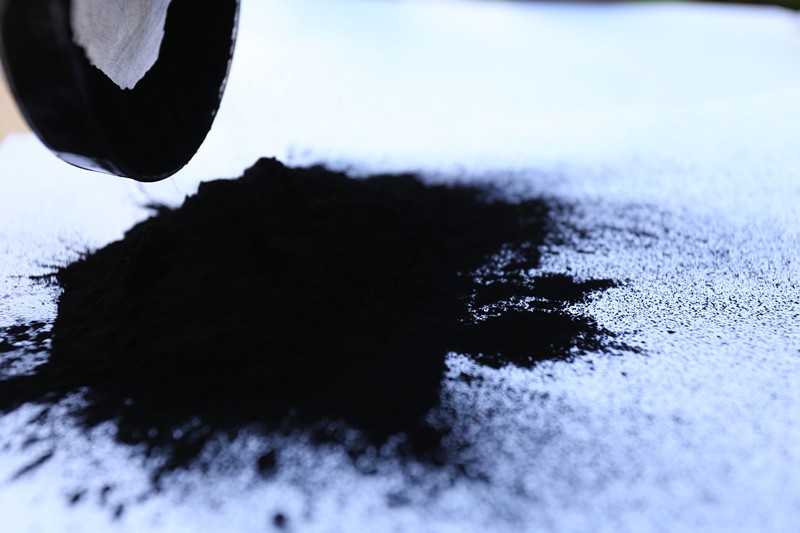
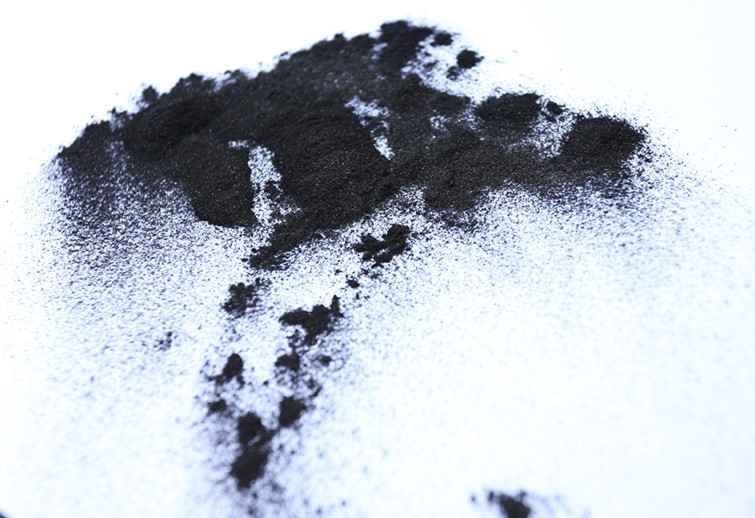
Before delving into dosage determination, it's essential to understand what powdered activated carbon is and how it works. Powdered activated carbon is a highly porous material with a large surface area, typically derived from materials such as wood, coal, or coconut shells. This porous structure allows it to adsorb a wide range of contaminants, including organic compounds, heavy metals, and odors.
There are different types of powdered activated carbon available, each with its own unique properties and applications. For example, Wood Powdered Activated Carbon is known for its high purity and low ash content, making it suitable for applications where product quality is crucial. On the other hand, Coal-Based Powdered Activated Carbon is often used in industrial applications due to its high adsorption capacity and cost-effectiveness.
Factors Affecting PAC Dosage
Several factors influence the dosage of powdered activated carbon required for a specific application. Understanding these factors is key to determining the optimal dosage and achieving the desired treatment results.
Nature and Concentration of Contaminants
The type and concentration of contaminants in the medium being treated are perhaps the most significant factors affecting PAC dosage. Different contaminants have different adsorption affinities for activated carbon, meaning that some may require higher dosages to achieve the same level of removal. For example, highly soluble organic compounds may require more PAC to adsorb compared to less soluble ones.
In addition, the initial concentration of contaminants plays a crucial role. Higher contaminant concentrations generally require higher PAC dosages to achieve the desired level of treatment. Therefore, it's essential to conduct a thorough analysis of the contaminants present in the medium to determine the appropriate dosage.
Contact Time
Contact time refers to the duration that the powdered activated carbon is in contact with the contaminants. Longer contact times generally result in more efficient adsorption, allowing for lower PAC dosages. In applications where contact time is limited, such as in continuous flow systems, higher dosages may be required to compensate for the shorter contact time.
Temperature and pH
Temperature and pH can also affect the adsorption capacity of powdered activated carbon. In general, higher temperatures increase the rate of adsorption, but they may also decrease the equilibrium adsorption capacity. Similarly, the pH of the medium can influence the surface charge of the activated carbon and the ionization state of the contaminants, affecting the adsorption process.
Type of Application
The specific application for which the powdered activated carbon is being used also impacts the dosage. For example, in water treatment, the dosage may vary depending on whether the PAC is being used for pre-treatment, post-treatment, or emergency treatment. In air purification, the dosage may be determined by the volume of air to be treated and the concentration of pollutants.
Methods for Determining PAC Dosage
There are several methods available for determining the dosage of powdered activated carbon, each with its own advantages and limitations. The choice of method depends on various factors, including the nature of the application, the available resources, and the level of accuracy required.
Jar Testing
Jar testing is a widely used method for determining the optimal PAC dosage in water treatment. This method involves conducting a series of tests in small jars, where different dosages of PAC are added to samples of the water to be treated. The jars are then mixed and allowed to settle, after which the treated water is analyzed for the removal of contaminants.
The results of the jar tests can be used to construct a dosage-response curve, which shows the relationship between the PAC dosage and the level of contaminant removal. The optimal dosage can then be determined based on the desired level of treatment and the cost-effectiveness of the PAC.
Pilot-Scale Testing
Pilot-scale testing involves conducting tests on a larger scale than jar testing, typically using a pilot plant or a small-scale treatment system. This method allows for a more realistic assessment of the performance of the powdered activated carbon under actual operating conditions.
Pilot-scale testing can provide valuable information on the long-term performance of the PAC, including its adsorption capacity, regeneration potential, and impact on the treatment process. However, it is more time-consuming and expensive than jar testing, and it may require specialized equipment and expertise.
Mathematical Modeling
Mathematical modeling is a more advanced method for determining the dosage of powdered activated carbon. This method involves using mathematical equations to describe the adsorption process and predict the performance of the PAC under different conditions.
Mathematical models can take into account various factors, such as the nature and concentration of contaminants, contact time, temperature, and pH. They can also be used to optimize the dosage of PAC and predict the long-term performance of the treatment system. However, mathematical modeling requires a high level of expertise and may be limited by the availability of accurate data.
Practical Tips for Determining PAC Dosage
In addition to the methods described above, there are several practical tips that can help in determining the dosage of powdered activated carbon.
Start with a Conservative Dosage
When starting a new application or using a new type of powdered activated carbon, it's advisable to start with a conservative dosage and gradually increase it if necessary. This approach helps to avoid over-dosing, which can lead to unnecessary costs and potential operational issues.
Monitor and Adjust the Dosage
Once the initial dosage has been determined, it's important to monitor the performance of the treatment system regularly and adjust the dosage as needed. Factors such as changes in the quality of the feed water, variations in the operating conditions, and the aging of the activated carbon can all affect the adsorption capacity and require adjustments to the dosage.
Consider the Cost-Effectiveness
While achieving the desired level of treatment is the primary goal, it's also important to consider the cost-effectiveness of the powdered activated carbon. This involves balancing the cost of the PAC with the benefits of contaminant removal, taking into account factors such as the price of the PAC, the dosage required, and the cost of disposal.
Conclusion
Determining the dosage of powdered activated carbon is a complex process that requires careful consideration of various factors. By understanding the basics of powdered activated carbon, the factors affecting dosage, and the methods available for dosage determination, you can make informed decisions and achieve the optimal treatment results.
As a supplier of powdered activated carbon, I'm committed to providing high-quality products and expert advice to help you determine the appropriate dosage for your specific application. If you have any questions or need further assistance, please don't hesitate to contact me for a consultation. We can discuss your requirements in detail and work together to find the best solution for your needs.
References
- Crittenden, J. C., Trussell, R. R., Hand, D. W., Howe, K. J., & Tchobanoglous, G. (2012). Water Treatment: Principles and Design. John Wiley & Sons.
- Faust, S. D., & Aly, O. M. (1998). Chemistry of Water Treatment. Butterworth-Heinemann.
- LeVan, M. D., Foo, K. Y., & Hameed, B. H. (2016). Adsorption Technology and Design. John Wiley & Sons.