


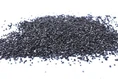


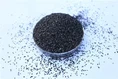
Hey there! I'm a supplier of Liquor Special Activated Carbon, and I've been getting a lot of questions lately about whether our product is environmentally friendly. So, I thought I'd take a few minutes to chat with you about it and clear up any confusion.
First off, let's talk about what Liquor Special Activated Carbon is and what it does. Activated carbon is a form of carbon that has been processed to have small, low-volume pores that increase the surface area available for adsorption or chemical reactions. In the case of liquor production, activated carbon is used to remove impurities, such as color, odor, and unwanted flavors, from the liquor. This helps to improve the quality and taste of the final product.
Now, let's get to the big question: Is Liquor Special Activated Carbon environmentally friendly? The answer is yes, and here's why.
1. Renewable and Sustainable Raw Materials
Most of the activated carbon used in the liquor industry is made from coal, coconut shells, or wood. Coal-based activated carbon, like our Liquor Special Activated Carbon, is a popular choice because it is cost-effective and has excellent adsorption properties. Coal is a non-renewable resource, but the production of coal-based activated carbon is a relatively efficient process that maximizes the use of the coal.
On the other hand, coconut shell-based and wood-based activated carbons are made from renewable resources. Coconut shells are a byproduct of the coconut industry, and using them to make activated carbon helps to reduce waste. Wood-based activated carbon can be made from sustainably managed forests, ensuring that the raw materials are replenished over time.
2. Energy Efficiency in Production
The production of activated carbon involves several steps, including carbonization and activation. These processes require energy, but modern production techniques have made significant improvements in energy efficiency. For example, many activated carbon manufacturers use advanced kilns and furnaces that are designed to minimize energy consumption. Additionally, some manufacturers are exploring the use of renewable energy sources, such as solar and wind power, to further reduce their carbon footprint.
3. Reduced Pollution in Liquor Production
By removing impurities from liquor, activated carbon helps to reduce the amount of waste and pollution generated during the production process. For example, without activated carbon, distilleries would need to use more harsh chemicals to achieve the same level of purification. These chemicals can be harmful to the environment and require special handling and disposal procedures.
Activated carbon also helps to improve the quality of the final product, which can reduce the amount of liquor that is wasted due to off-flavors or other quality issues. This not only saves resources but also reduces the environmental impact of the liquor industry.
4. Safe Disposal and Recycling
Once activated carbon has reached the end of its useful life, it can be safely disposed of or recycled. In some cases, used activated carbon can be regenerated and reused, which reduces the need for new production. Regeneration involves heating the used carbon to remove the adsorbed impurities, restoring its adsorption capacity.
If regeneration is not feasible, used activated carbon can be safely disposed of in a landfill. However, it's important to note that activated carbon is a relatively inert material and does not pose a significant environmental risk when disposed of properly.
Comparing with Other Types of Activated Carbon
In addition to Liquor Special Activated Carbon, we also offer Coal Columnar Activated Carbon and Coal Broken Activated Carbon. These products are used in a variety of applications, including water treatment, air purification, and gas separation.
While all of our activated carbon products have similar environmental benefits, the specific properties and applications of each product may vary. For example, Coal Columnar Activated Carbon is often used in fixed-bed adsorption systems, while Coal Broken Activated Carbon is more suitable for fluidized-bed systems.
Conclusion
In conclusion, Liquor Special Activated Carbon is an environmentally friendly product that offers several benefits for the liquor industry and the environment. From the use of renewable and sustainable raw materials to the energy-efficient production process and the reduction of pollution, activated carbon plays an important role in making liquor production more sustainable.


If you're in the liquor industry and are looking for a high-quality, environmentally friendly activated carbon product, I encourage you to get in touch with us. We'd be happy to discuss your specific needs and provide you with a customized solution. Whether you're looking for Liquor Special Activated Carbon, Coal Columnar Activated Carbon, or Coal Broken Activated Carbon, we have the expertise and experience to meet your requirements.
So, don't hesitate to reach out and start a conversation. Let's work together to make your liquor production more sustainable and your products even better!
References
- "Activated Carbon: Properties and Applications" by John W. Weitkamp
- "Environmental Impact of the Activated Carbon Industry" by the International Activated Carbon Association
- "Sustainable Production of Activated Carbon" by the United Nations Environment Programme