


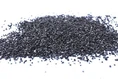


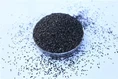
Yo, I'm a supplier of coal-based activated carbon, and I often get asked about how to regenerate this stuff. It's a pretty important topic, 'cause let's face it, reusing activated carbon can save you a bunch of money and is also better for the environment. So, in this blog, I'll walk you through the ins and outs of regenerating coal-based activated carbon.
Why Regenerate Coal-Based Activated Carbon?
First off, you might be wondering why you'd even want to regenerate it. Well, coal-based activated carbon is a popular choice for all sorts of applications like water treatment, air purification, and even in the food and beverage industry. But over time, it gets saturated with contaminants, and its effectiveness drops. Instead of just tossing it out and buying new carbon, regeneration allows you to bring it back to life. This not only cuts down on costs but also reduces waste.
Methods of Regenerating Coal-Based Activated Carbon
Thermal Regeneration
One of the most common methods is thermal regeneration. This process involves heating the saturated carbon to a high temperature, usually between 600°C and 900°C, in an inert atmosphere. The heat breaks down the adsorbed contaminants into smaller molecules, which then desorb from the carbon surface.
The first step is to pre-dry the carbon to remove any moisture. Then, it's loaded into a furnace. As the temperature rises, the contaminants start to vaporize. The key here is to control the temperature and the atmosphere. If the temperature is too high, it can damage the carbon structure, reducing its porosity and adsorption capacity. And if the atmosphere isn't inert, there's a risk of the carbon burning up.
Thermal regeneration has its pros and cons. On the plus side, it's quite effective at removing a wide range of contaminants. It can also restore the carbon's adsorption capacity close to its original level. However, it's an energy-intensive process, and there's always some loss of carbon due to oxidation and mechanical wear.
Chemical Regeneration
Chemical regeneration uses chemicals to desorb the contaminants from the carbon. There are different types of chemicals you can use depending on the nature of the contaminants. For example, acids can be used to remove metal ions, while alkalis are good for removing acidic contaminants.
The process usually involves soaking the saturated carbon in a chemical solution. The chemicals react with the contaminants, breaking them down or forming soluble compounds that can be washed away. After the soaking period, the carbon is rinsed thoroughly to remove any remaining chemicals.


Chemical regeneration is less energy-intensive than thermal regeneration. It's also more selective, meaning it can target specific contaminants. But it has its drawbacks too. The chemicals can be expensive, and there's a risk of introducing new contaminants into the carbon if the rinsing isn't done properly.
Biological Regeneration
Biological regeneration is a relatively new method. It uses microorganisms to break down the contaminants adsorbed on the carbon. The idea is to create an environment where the microorganisms can thrive and consume the contaminants.
First, you need to inoculate the saturated carbon with the appropriate microorganisms. Then, you provide them with the right conditions, such as the right temperature, pH, and nutrients. As the microorganisms grow and multiply, they break down the contaminants into simpler substances.
This method is environmentally friendly because it doesn't use harsh chemicals or a lot of energy. But it's a slow process, and it might not be suitable for all types of contaminants.
Factors Affecting Regeneration
There are a few factors that can affect the regeneration process. The type of contaminants is a big one. Some contaminants are easier to remove than others. For example, volatile organic compounds are usually easier to desorb than heavy metals.
The degree of saturation also matters. If the carbon is highly saturated, it might be more difficult to regenerate fully. The pore size and structure of the carbon can also impact regeneration. Carbon with a larger pore size might be easier to regenerate because the contaminants can diffuse out more easily.
Our Coal-Based Activated Carbon Products
As a supplier, I offer a variety of coal-based activated carbon products. Check out our Coal Columnar Activated Carbon, which is great for gas purification and water treatment. We also have Liquor Special Activated Carbon that's specifically designed for the liquor industry to remove impurities and improve the taste. And our Coal Broken Activated Carbon is widely used in air and water treatment applications.
Conclusion
Regenerating coal-based activated carbon is a great way to save money and reduce waste. Whether you choose thermal, chemical, or biological regeneration, it's important to understand the process and the factors that can affect it. If you're in the market for high-quality coal-based activated carbon or have questions about regeneration, don't hesitate to reach out. We're here to help you find the best solutions for your needs.
References
- "Activated Carbon: Adsorption from the Gas Phase" by R. T. Yang
- "Water Treatment Unit Processes: Physical and Chemical" by David W. Hendricks