


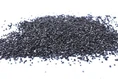


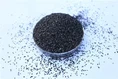
In the field of electroplating, the use of activated carbon is crucial for achieving high - quality plating results. As a trusted supplier of Electroplate Special Activated Carbon, I have witnessed firsthand the impact of various factors on the performance of activated carbon in electroplating processes. One of the most significant factors is the contact time between the electroplate special activated carbon and the electroplating solution, which can greatly affect the adsorption efficiency.
The Role of Electroplate Special Activated Carbon in Electroplating
Electroplate special activated carbon is designed to remove impurities, organic contaminants, and heavy metals from electroplating solutions. These impurities can negatively impact the quality of the electroplated coating, leading to issues such as poor adhesion, uneven plating, and reduced corrosion resistance. By adsorbing these contaminants, activated carbon helps to maintain the purity of the electroplating solution, ensuring consistent and high - quality plating results.
The unique porous structure of electroplate special activated carbon provides a large surface area for adsorption. The pores can range in size from micropores to mesopores and macropores, allowing the carbon to adsorb a wide variety of contaminants with different molecular sizes. This makes it an ideal material for use in electroplating applications, where the solution may contain a complex mixture of organic and inorganic substances.
How Contact Time Influences Adsorption
Contact time refers to the duration during which the electroplate special activated carbon is in contact with the electroplating solution. It plays a vital role in the adsorption process, as it determines the extent to which the contaminants can diffuse into the pores of the activated carbon and bind to its surface.
Initial Stage of Adsorption
In the initial stage of contact, the adsorption rate is relatively high. This is because there are a large number of available adsorption sites on the surface of the activated carbon. As the electroplating solution comes into contact with the carbon, contaminants quickly diffuse into the pores and are adsorbed onto the surface. The high concentration gradient between the solution and the carbon surface drives the rapid movement of contaminants towards the adsorption sites.
For example, in a study on the adsorption of organic dyes by activated carbon, it was found that within the first few minutes of contact, a significant amount of the dye was adsorbed. This initial rapid adsorption is beneficial in electroplating processes, as it can quickly remove a large portion of the contaminants from the solution.
Equilibrium Stage
As the contact time increases, the adsorption rate gradually decreases. This is due to the fact that the available adsorption sites on the activated carbon surface become saturated. Once the surface is saturated, the rate of adsorption is limited by the rate at which the contaminants can diffuse into the internal pores of the carbon.
At the equilibrium stage, the rate of adsorption is equal to the rate of desorption. This means that the amount of contaminants being adsorbed onto the carbon is the same as the amount being released back into the solution. The time required to reach equilibrium depends on several factors, including the type and concentration of contaminants, the properties of the activated carbon, and the temperature and agitation of the solution.
Over - Contact Time
If the contact time is extended beyond the equilibrium point, there may be no significant increase in the amount of contaminants adsorbed. In some cases, over - contact time can even lead to desorption of previously adsorbed contaminants. This can occur if the solution conditions change, such as a change in pH or temperature, which can disrupt the binding between the contaminants and the activated carbon surface.
Practical Implications in Electroplating
In electroplating operations, determining the optimal contact time is essential for achieving the best results. If the contact time is too short, the activated carbon may not have enough time to adsorb a sufficient amount of contaminants, resulting in a less - pure electroplating solution and potentially poor - quality plating. On the other hand, if the contact time is too long, it can lead to inefficiencies in the process, such as increased energy consumption and longer processing times.
To optimize the contact time, electroplating operators need to consider several factors. Firstly, they should analyze the composition of the electroplating solution to determine the types and concentrations of contaminants present. Different contaminants may have different adsorption rates and equilibrium times. For example, small - molecule organic contaminants may be adsorbed more quickly than large - molecule polymers.
Secondly, the properties of the electroplate special activated carbon, such as its pore size distribution, surface area, and adsorption capacity, should be taken into account. High - quality activated carbon with a large surface area and well - developed pore structure can adsorb contaminants more efficiently, potentially reducing the required contact time.
Agitation of the electroplating solution can also affect the contact time. By increasing the agitation, the mass transfer rate between the solution and the activated carbon is enhanced, allowing for more rapid adsorption. However, excessive agitation can also cause mechanical damage to the activated carbon, reducing its adsorption performance.
Other Related Activated Carbon Products
In addition to Electroplate Special Activated Carbon, our company also offers Tail Liquid Recycle Activated Carbon and Nutshell Gold Recovery Carbon.
Tail Liquid Recycle Activated Carbon is specifically designed for the treatment of tail liquids in various industrial processes. It can effectively remove impurities and contaminants from the tail liquid, allowing for its recycling and reuse. This not only helps to reduce waste but also saves costs associated with the disposal of tail liquids.
Nutshell Gold Recovery Carbon is used in the gold mining and recovery industry. It has a high affinity for gold ions and can selectively adsorb gold from the ore solution. This makes it an important tool for extracting gold from low - grade ores and recovering gold from waste solutions.


Conclusion and Call to Action
The contact time between electroplate special activated carbon and the electroplating solution has a profound impact on the adsorption process. By understanding how contact time influences adsorption, electroplating operators can optimize their processes to achieve better results. Whether it's achieving rapid initial adsorption, reaching the equilibrium stage efficiently, or avoiding over - contact time, careful consideration of contact time is essential.
As a leading supplier of electroplate special activated carbon, we are committed to providing high - quality products and technical support to our customers. Our activated carbon products are carefully engineered to meet the specific requirements of electroplating applications, ensuring maximum adsorption efficiency.
If you are interested in learning more about our Electroplate Special Activated Carbon or other related products, or if you have any questions about the optimal use of activated carbon in your electroplating process, please feel free to contact us. We are here to assist you in finding the best solutions for your electroplating needs.
References
- Foo, K. Y., & Hameed, B. H. (2010). Insights into the modeling of adsorption isotherm systems. Chemical Engineering Journal, 156(1), 2–10.
- Huang, C. P., & Weber, W. J. (1983). Kinetics of adsorptive removal of organic solutes from aqueous solutions by activated carbon. Environmental Science & Technology, 17(10), 529–535.
- Yang, R. T. (2003). Gas separation by adsorption processes. World Scientific.