




Hey there! As a supplier of Common Honeycomb Activated Carbon, I often get asked a bunch of questions about its applications. One question that pops up quite frequently is, "Can Common Honeycomb Activated Carbon be used in the removal of xylene?" Well, let's dig into this topic and find out.
First off, let's talk a bit about xylene. Xylene is a volatile organic compound (VOC) commonly found in paints, solvents, and gasoline. It's not something you want hanging around in the air because it can cause a range of health problems, from headaches and dizziness to more serious long - term effects on the nervous system and respiratory tract. So, finding an effective way to remove xylene from the air is super important, especially in industrial settings where it's often used.
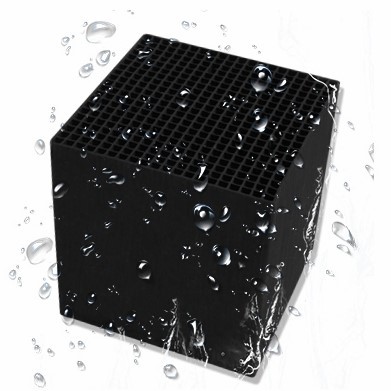
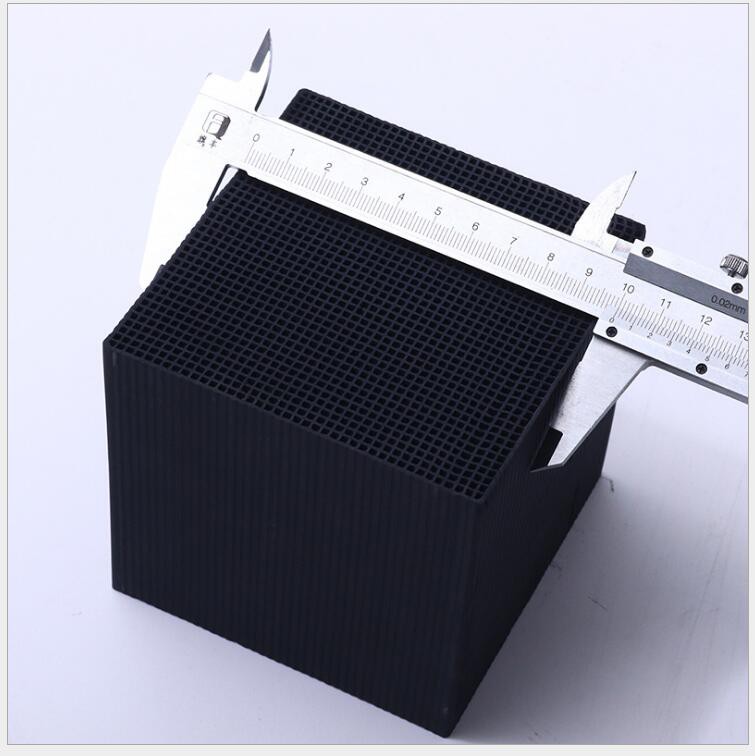
Now, let's turn our attention to Common Honeycomb Activated Carbon. Common Honeycomb Activated Carbon is a type of activated carbon with a unique honeycomb structure. This structure gives it a large surface area, which is crucial for adsorption. Adsorption is the process by which molecules of a gas or liquid adhere to the surface of a solid. In the case of activated carbon, the more surface area it has, the more contaminants it can trap.
The way activated carbon works is based on its porous nature. The pores in the carbon act like tiny traps for molecules. When xylene molecules come into contact with the activated carbon, they get stuck in these pores. The honeycomb design of the common honeycomb activated carbon allows for a high flow rate of air or gas through it, which means it can treat a large volume of contaminated air in a relatively short time.
But here's the thing. Not all activated carbons are created equal when it comes to removing xylene. The effectiveness of Common Honeycomb Activated Carbon in removing xylene depends on several factors.
One of the key factors is the pore size distribution. Xylene molecules have a certain size, and for the activated carbon to effectively adsorb them, the pores need to be the right size. If the pores are too small, the xylene molecules won't be able to enter. If they're too large, the xylene molecules won't stick well. High - quality Common Honeycomb Activated Carbon is engineered to have a pore size distribution that is optimized for adsorbing xylene and other VOCs.
Another factor is the surface chemistry of the activated carbon. The surface can be modified to enhance its affinity for xylene. For example, adding certain functional groups to the carbon surface can make it more attractive to xylene molecules, increasing the adsorption capacity.
The operating conditions also play a big role. Temperature and humidity can affect the performance of the activated carbon. Generally, lower temperatures are better for adsorption because the molecules are less energetic and more likely to stick to the carbon surface. High humidity can be a problem because water molecules can compete with xylene molecules for the adsorption sites on the carbon. However, if you're dealing with a high - humidity environment, you might want to consider Waterproof Honeycomb Activated Carbon, which is designed to resist the negative effects of moisture.
In real - world applications, Common Honeycomb Activated Carbon has been used successfully in many xylene removal systems. In industrial painting booths, for instance, where large amounts of xylene are released during the painting process, honeycomb activated carbon filters are often installed in the ventilation systems. These filters can significantly reduce the concentration of xylene in the exhaust air, helping the facility meet environmental regulations.
In addition to industrial settings, Common Honeycomb Activated Carbon can also be used in smaller - scale applications, such as in air purifiers for indoor spaces where xylene may be present, like in a workshop or a home with freshly painted rooms.
So, to answer the question, yes, Common Honeycomb Activated Carbon can be used in the removal of xylene. But to get the best results, you need to choose the right type of activated carbon and ensure that the operating conditions are optimized.
If you're in the market for Common Honeycomb Activated Carbon for xylene removal or any other application, I'd love to have a chat with you. We've got a wide range of high - quality products that are designed to meet your specific needs. Whether you're running a large industrial plant or just looking for a solution for a small - scale project, we can help you find the right activated carbon for the job. Reach out to us to start a conversation about your requirements and let's work together to find the best solution.
References
- "Activated Carbon Adsorption of Volatile Organic Compounds", Journal of Environmental Science and Technology
- "Pore Structure and Surface Chemistry Effects on the Adsorption of Xylene on Activated Carbon", Carbon Research Journal