



Hey there! I'm a supplier of Waterproof Honeycomb Activated Carbon, and today I wanna chat about something super important in our industry: the ash content of waterproof honeycomb activated carbon.
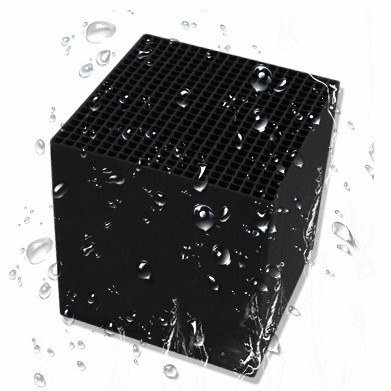
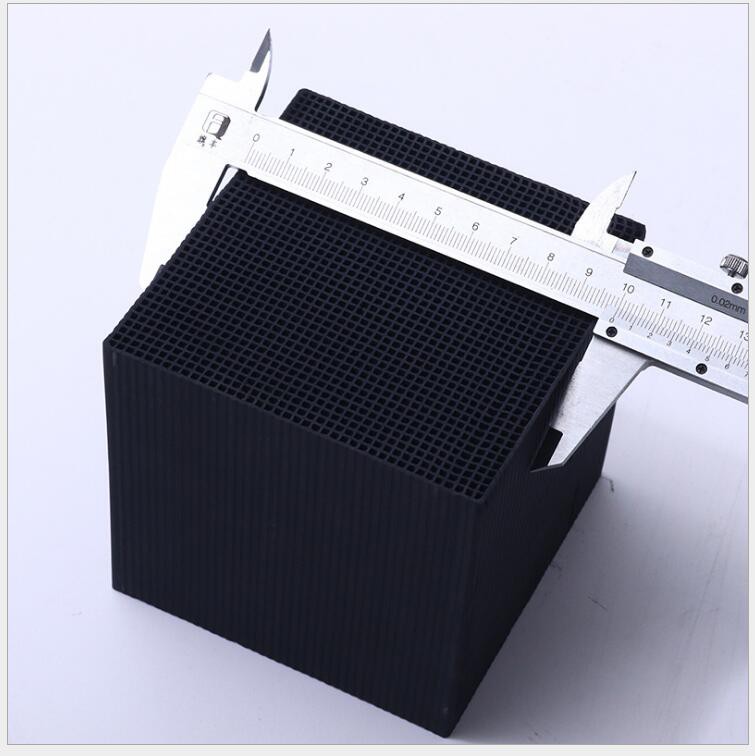
First off, let's quickly understand what honeycomb activated carbon is. You've probably heard of Common Honeycomb Activated Carbon. It's a well - known product in the market. It has a honeycomb - like structure, which gives it a large surface area, making it great for adsorbing all sorts of pollutants. But then there's Waterproof Honeycomb Activated Carbon, which is a step up from the common one. As the name suggests, it can resist water, making it suitable for more challenging environments.
Now, let's dig into the ash content. Ash in activated carbon is basically the inorganic residue left after the carbon has been burned at high temperatures. It comes from minerals and other non - carbonaceous materials that were present in the raw materials used to make the activated carbon.
Why does the ash content matter? Well, a high ash content can have a few negative impacts. For starters, it reduces the effective surface area of the activated carbon. Remember, the surface area is what makes activated carbon so good at adsorption. If there's a lot of ash taking up space, there's less room for the pollutants to stick to. This means that the adsorption capacity of the waterproof honeycomb activated carbon can be significantly reduced.
Another issue with high ash content is that it can affect the mechanical strength of the carbon. In a honeycomb structure, the walls need to be strong enough to maintain the shape and integrity of the whole unit. Ash can make the structure more brittle, increasing the risk of breakage during handling, transportation, or even during normal use. And once the honeycomb structure is damaged, its performance goes downhill fast.
On the other hand, a low ash content is a sign of high - quality waterproof honeycomb activated carbon. It indicates that the manufacturing process was well - controlled, and the raw materials were carefully selected. Low - ash activated carbon has a larger effective surface area, which translates to better adsorption performance. It can remove more pollutants from the air or water, whether it's volatile organic compounds (VOCs), odors, or heavy metals.
So, how do we control the ash content in waterproof honeycomb activated carbon? It all starts with the raw materials. We need to choose high - quality carbonaceous materials, like coconut shells or high - grade coal. These materials generally have lower ash content to begin with. During the manufacturing process, we also use advanced purification techniques to further reduce the ash. This might involve washing the raw materials, using chemical treatments, or carefully controlling the carbonization and activation processes.
When it comes to testing the ash content, there are standard methods in place. Usually, a sample of the activated carbon is heated in a furnace at a very high temperature (around 800 - 900 degrees Celsius) for a specific period of time. After the sample has burned completely, the remaining ash is weighed, and the ash content is calculated as a percentage of the original sample weight.
Now, you might be wondering what the ideal ash content is for waterproof honeycomb activated carbon. Well, it depends on the specific application. For some general air purification applications, an ash content of less than 5% is often considered good. But for more demanding applications, like in the pharmaceutical or food industries, where the purity requirements are extremely high, the ash content might need to be even lower, say less than 2%.
One of the key advantages of our waterproof honeycomb activated carbon is that we've managed to keep the ash content at an optimal level. We've invested a lot in research and development to perfect our manufacturing process. This means that our product offers excellent adsorption performance and high mechanical strength, even in wet or humid conditions.
In different industries, the importance of low - ash waterproof honeycomb activated carbon can't be overstated. In the automotive industry, for example, it's used to purify the air inside the cars. A low - ash activated carbon ensures that the air purification system works efficiently, removing harmful pollutants and odors. In the industrial sector, it's used to treat exhaust gases. High - quality, low - ash activated carbon can help companies meet strict environmental regulations by effectively removing pollutants.
As a supplier, I know that choosing the right waterproof honeycomb activated carbon is crucial for your business. You need a product that not only performs well but also lasts long. That's why we're so proud of our product. It's been tested and proven in various real - world applications.
If you're in the market for waterproof honeycomb activated carbon, I encourage you to consider our product. We can provide you with samples so that you can test it out for yourself. And if you have any specific requirements regarding the ash content or other properties, we're more than happy to work with you to customize the product.
Whether you're a small business looking for a cost - effective solution or a large corporation with strict quality standards, we've got you covered. Our team of experts is always available to answer your questions and provide you with technical support.
So, if you're interested in learning more about our waterproof honeycomb activated carbon or if you want to start a procurement discussion, don't hesitate to reach out. Let's work together to find the best solution for your needs.
References
- "Activated Carbon: Adsorption Technology and Applications" by [Author's Name]
- Industry standards for testing ash content in activated carbon