




Hey there! As a supplier of Wood Powdered Activated Carbon, I often get asked about its solubility in different solvents. It's a super interesting topic, and I'm excited to share some insights with you.
First off, let's talk a bit about what Wood Powdered Activated Carbon is. It's a highly porous material made from wood, which has a large surface area. This makes it great for a whole bunch of applications, like water purification, air filtration, and even in the food and beverage industry. You can check out more about it on our website Wood Powdered Activated Carbon.
Now, solubility is all about how well a substance can dissolve in a solvent. In the case of Wood Powdered Activated Carbon, it's not really soluble in the traditional sense. Activated carbon is mainly composed of carbon, and carbon has a very stable structure. Most of the solvents we commonly use, like water, ethanol, and acetone, don't have the ability to break down the carbon bonds in the activated carbon.
Let's start with water. Water is a universal solvent, but when it comes to Wood Powdered Activated Carbon, it doesn't dissolve it. Instead, what happens is that the activated carbon can adsorb water molecules. Adsorption is different from dissolution. When adsorption occurs, the water molecules stick to the surface of the activated carbon due to the porous structure and the forces between the carbon and the water. This is actually a very useful property. For example, in water treatment plants, Wood Powdered Activated Carbon can be used to remove impurities and contaminants. The contaminants get adsorbed onto the surface of the carbon, leaving the water cleaner.
Next, let's consider organic solvents like ethanol. Ethanol is a common solvent used in many industries, especially in the pharmaceutical and cosmetic sectors. Just like water, Wood Powdered Activated Carbon isn't soluble in ethanol. However, it can still interact with ethanol. The activated carbon can adsorb some of the components in ethanol solutions. For instance, if there are some odor - causing compounds or small organic molecules in an ethanol - based product, the Wood Powdered Activated Carbon can adsorb them, improving the quality of the ethanol solution.
Acetone is another widely used organic solvent. Similar to the previous solvents, Wood Powdered Activated Carbon doesn't dissolve in acetone. But in industrial processes where acetone is used, the activated carbon can play a role in purifying the acetone. It can adsorb any impurities or unwanted substances that might be present in the acetone, making it suitable for further use.
There are also some other solvents that are used in more specialized applications. For example, in the chemical industry, some non - polar solvents might be used. Wood Powdered Activated Carbon still won't dissolve in these non - polar solvents. However, depending on the nature of the non - polar substances in the solution, the activated carbon can selectively adsorb certain components. This selectivity is based on the size, shape, and chemical properties of the molecules in the solution.
It's important to note that the adsorption capacity of Wood Powdered Activated Carbon can vary depending on several factors. The particle size of the carbon is one of them. Finer particles generally have a larger surface area, which means they can adsorb more substances. The temperature also plays a role. In general, as the temperature increases, the adsorption rate might change. Sometimes, a higher temperature can increase the kinetic energy of the molecules, making them more likely to interact with the activated carbon surface. But in some cases, a very high temperature can also desorb the previously adsorbed substances.
The pH of the solution can also affect the adsorption process. Different substances have different charges at different pH values. The surface of the Wood Powdered Activated Carbon can also have a certain charge. When the charges between the carbon surface and the substances in the solution are complementary, the adsorption is more likely to occur.
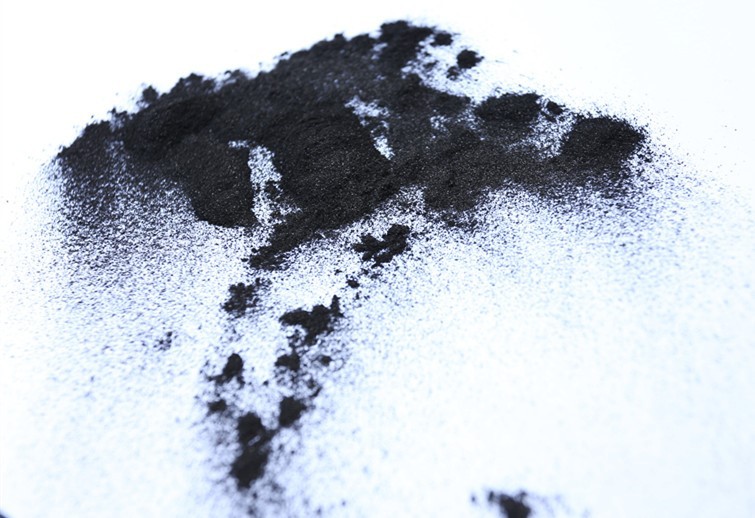
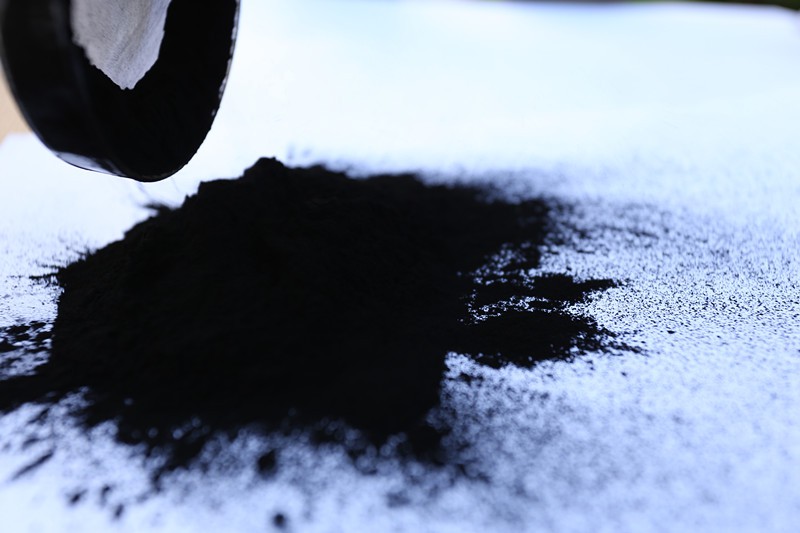
Now, you might be wondering how Wood Powdered Activated Carbon compares to other types of powdered activated carbon, like Coal - Based Powdered Activated Carbon. Coal - based activated carbon is made from coal, and it has a different pore structure and chemical composition compared to wood - based activated carbon. In terms of solubility, just like Wood Powdered Activated Carbon, coal - based activated carbon is also insoluble in common solvents. However, the adsorption properties can be different. Coal - based activated carbon might have a higher density of pores in some cases, which can make it more suitable for adsorbing larger molecules. On the other hand, Wood Powdered Activated Carbon is often more environmentally friendly and can be a better choice for applications where a more natural - based product is preferred.
In conclusion, Wood Powdered Activated Carbon is insoluble in common solvents like water, ethanol, and acetone. But its adsorption properties make it a valuable material in many industries. Whether it's for purifying water, improving the quality of solvents, or removing contaminants from various products, Wood Powdered Activated Carbon has a lot to offer.
If you're in the market for high - quality Wood Powdered Activated Carbon for your business needs, we'd love to have a chat with you. We can discuss your specific requirements and how our product can fit into your processes. So, don't hesitate to reach out and start a conversation about your procurement needs.
References
- "Activated Carbon: Surface Chemistry, Adsorption Kinetics, and Applications" - A comprehensive book on the properties and uses of activated carbon.
- Journal articles on water treatment and solvent purification using activated carbon.