


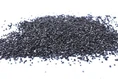


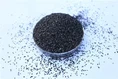
Activated carbon has long been a cornerstone in various industries, and its application in grease processing is no exception. As a leading supplier of Grease Bleaching Activated Carbon, I've witnessed firsthand the profound impact this remarkable material can have on the flavor of grease. In this blog, I'll delve into the science behind activated carbon's influence on grease flavor, explore its benefits, and highlight how it can elevate the quality of your grease products.
The Science of Activated Carbon in Grease Processing
Activated carbon, also known as activated charcoal, is a highly porous material with a large surface area. This unique structure allows it to adsorb a wide range of impurities, including pigments, odorous compounds, and trace metals, from grease. When activated carbon is added to grease during the bleaching process, it acts like a sponge, attracting and trapping these unwanted substances on its surface.
The adsorption process is based on the principle of van der Waals forces, which are weak intermolecular forces that occur between molecules. These forces cause the impurities in the grease to adhere to the surface of the activated carbon, effectively removing them from the grease. The result is a cleaner, lighter-colored grease with a more neutral flavor and aroma.
Impact on Flavor
One of the most significant impacts of activated carbon on the flavor of grease is its ability to remove off-flavors and odors. Grease can develop off-flavors and odors due to a variety of factors, including oxidation, microbial contamination, and the presence of impurities. These off-flavors and odors can be unpleasant and can affect the overall quality of the grease.


Activated carbon can effectively remove these off-flavors and odors by adsorbing the compounds responsible for them. For example, activated carbon can adsorb volatile organic compounds (VOCs) that are produced during the oxidation of grease. These VOCs can contribute to the development of rancid flavors and odors in the grease. By removing these VOCs, activated carbon can help to prevent the development of rancidity and extend the shelf life of the grease.
In addition to removing off-flavors and odors, activated carbon can also enhance the natural flavor of the grease. Grease contains a variety of flavor compounds, including fatty acids, esters, and aldehydes. These flavor compounds contribute to the characteristic flavor and aroma of the grease. Activated carbon can selectively adsorb certain flavor compounds, while leaving others intact. This allows it to enhance the natural flavor of the grease while removing any unwanted flavors or odors.
Benefits of Using Activated Carbon in Grease Processing
The use of activated carbon in grease processing offers several benefits, including:
- Improved Flavor and Aroma: As mentioned earlier, activated carbon can effectively remove off-flavors and odors from grease, resulting in a cleaner, more neutral flavor and aroma. This can enhance the overall quality of the grease and make it more appealing to consumers.
- Enhanced Shelf Life: By removing impurities and preventing the development of rancidity, activated carbon can extend the shelf life of grease. This can reduce the risk of product spoilage and waste, and can also help to maintain the quality of the grease over time.
- Improved Appearance: Activated carbon can also improve the appearance of grease by removing pigments and other impurities. This can result in a lighter-colored, more transparent grease that is more visually appealing.
- Compliance with Regulations: Many countries have regulations regarding the quality and safety of food products, including grease. The use of activated carbon in grease processing can help to ensure compliance with these regulations by removing impurities and contaminants from the grease.
Types of Activated Carbon for Grease Processing
There are several types of activated carbon available for grease processing, each with its own unique properties and characteristics. The most common types of activated carbon used in grease processing include:
- Powdered Activated Carbon (PAC): PAC is a fine powder that is typically used in batch processes. It has a high surface area and a fast adsorption rate, making it ideal for removing impurities and off-flavors from grease.
- Granular Activated Carbon (GAC): GAC is a larger, granular form of activated carbon that is typically used in continuous processes. It has a lower surface area than PAC, but it has a longer service life and is easier to handle and regenerate.
- Extruded Activated Carbon (EAC): EAC is a type of activated carbon that is formed into a cylindrical shape. It has a high surface area and a low pressure drop, making it ideal for use in high-flow applications.
Our Grease Bleaching Activated Carbon
As a supplier of Grease Bleaching Activated Carbon, we offer a range of high-quality products that are specifically designed for use in grease processing. Our activated carbon products are made from high-quality raw materials and are manufactured using advanced production techniques to ensure consistent quality and performance.
Our Grease Bleaching Activated Carbon products are available in both powdered and granular forms, and can be customized to meet the specific needs of our customers. We also offer technical support and consulting services to help our customers optimize their grease processing operations and achieve the best possible results.
Other Applications of Activated Carbon
In addition to its use in grease processing, activated carbon has a wide range of other applications in various industries. Some of the other applications of activated carbon include:
- Water Purification: Activated carbon is commonly used in water purification systems to remove impurities, such as chlorine, pesticides, and heavy metals, from water. You can learn more about Coconut Shell Water Purification Activated Carbon on our website.
- Air Purification: Activated carbon is also used in air purification systems to remove odors, VOCs, and other pollutants from the air.
- Cigarette Filtering: Activated carbon is used in cigarette filters to remove tar and other harmful substances from tobacco smoke. Check out our Cigarette Filter Special Activated Carbon for more details.
- Carbon Rod Filter Elements: Activated carbon is used in carbon rod filter elements to remove impurities and contaminants from water and other liquids. Explore our Carbon Rod Filter Element Special Activated Carbon for more information.
Conclusion
Activated carbon plays a crucial role in the grease processing industry, offering significant benefits in terms of flavor improvement, shelf life extension, and overall product quality. As a Grease Bleaching Activated Carbon supplier, we are committed to providing our customers with high-quality products and excellent service.
If you're interested in learning more about our Grease Bleaching Activated Carbon products or have any questions about how activated carbon can benefit your grease processing operations, we encourage you to contact us. Our team of experts is ready to assist you and help you find the best solution for your needs. Let's work together to elevate the quality of your grease products and meet the demands of your customers.
References
- "Activated Carbon: Adsorption Basics and Applications" by Perry A. Roberts
- "Grease Processing Technology" by Fereidoon Shahidi
- "Food Flavor and Chemistry" by H. Teranishi