




Hey there! As a supplier of Common Honeycomb Activated Carbon, I often get asked about how it reacts with hydrogen sulfide. So, I thought I'd take the time to break down the reaction process for you all.
What's Common Honeycomb Activated Carbon?
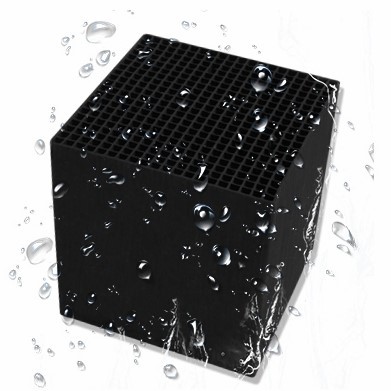
First off, let's talk a bit about Common Honeycomb Activated Carbon. It's a super useful material with a honeycomb-like structure. This structure gives it a huge surface area, which is key for all the cool things it can do. The large surface area means there are tons of spots where chemical reactions can happen. It's made from carbon-rich materials like coal, coconut shells, or wood, and then it goes through a special activation process to make those pores and increase its surface area.
Hydrogen Sulfide: The Nasty Gas
Hydrogen sulfide (H₂S) is a colorless gas with a really bad smell, kind of like rotten eggs. It's not just stinky; it's also toxic and can cause all sorts of health problems if you breathe it in. It's found in lots of places, like in natural gas, sewage treatment plants, and some industrial processes. So, getting rid of it is a big deal for both safety and environmental reasons.
The Reaction Process
Okay, now let's get into the nitty - gritty of how Common Honeycomb Activated Carbon reacts with hydrogen sulfide.
Adsorption
The first step is adsorption. When hydrogen sulfide gas comes into contact with the Common Honeycomb Activated Carbon, the gas molecules stick to the surface of the carbon. This is because the activated carbon has a high affinity for many types of molecules, including H₂S. The honeycomb structure helps a lot here. It allows the gas to flow through the carbon easily, and the large surface area gives plenty of space for the H₂S molecules to attach.
The adsorption process is a physical one at first. The H₂S molecules are attracted to the carbon surface by weak forces like van der Waals forces. These forces are like a gentle tug that holds the gas molecules in place on the carbon.
Oxidation
Once the hydrogen sulfide is adsorbed, oxidation starts to happen. In the presence of oxygen (which is usually in the air), the hydrogen sulfide on the carbon surface reacts with oxygen. The reaction can be represented by the following equation:
2H₂S + O₂ → 2S + 2H₂O
Basically, the hydrogen sulfide reacts with oxygen to form elemental sulfur and water. The activated carbon acts as a catalyst in this reaction. It provides a surface where the reaction can occur more easily. The carbon's porous structure helps to concentrate the reactants (H₂S and O₂) in close proximity, which speeds up the reaction.
Sulfur Deposition
As the reaction progresses, elemental sulfur is formed and deposited on the surface of the activated carbon. Over time, more and more sulfur builds up. This can be a bit of a problem because as the sulfur accumulates, it can start to block the pores of the carbon. When the pores get blocked, the carbon's ability to adsorb more hydrogen sulfide decreases.
Factors Affecting the Reaction
A few things can affect how well Common Honeycomb Activated Carbon reacts with hydrogen sulfide.
Temperature
Temperature plays a big role. Generally, a higher temperature speeds up the oxidation reaction. But if it gets too hot, it can also cause the sulfur to melt and flow, which can further clog the pores of the carbon. So, there's a sweet spot for temperature where the reaction is efficient but the carbon doesn't get damaged.
Humidity
Humidity can also have an impact. A little bit of moisture can actually help the reaction. Water vapor can react with the sulfur formed during the oxidation process to form sulfuric acid in some cases, which can then react with more hydrogen sulfide. However, if the humidity is too high, it can fill the pores of the carbon with water, reducing its ability to adsorb hydrogen sulfide.
Concentration of Hydrogen Sulfide
The higher the concentration of hydrogen sulfide in the gas stream, the faster the initial adsorption and reaction will be. But again, a very high concentration can lead to a quicker build - up of sulfur on the carbon surface, reducing its lifespan.
Benefits of Using Common Honeycomb Activated Carbon
Using Common Honeycomb Activated Carbon to remove hydrogen sulfide has several benefits.
High Efficiency
Thanks to its large surface area and honeycomb structure, it can adsorb and react with a significant amount of hydrogen sulfide in a relatively short time. This makes it great for industrial applications where large volumes of gas need to be treated.

Cost - Effective
Compared to some other methods of hydrogen sulfide removal, using activated carbon is often more cost - effective. It's relatively inexpensive to produce, and it can be regenerated in some cases.
Versatility
Common Honeycomb Activated Carbon can be used in a variety of applications. It can be installed in gas treatment systems, air purification units, and even in some small - scale environmental control devices.
Waterproof Honeycomb Activated Carbon for Special Situations
If you're dealing with high - humidity environments, you might want to check out Waterproof Honeycomb Activated Carbon. This type of carbon is specially treated to resist the negative effects of water. It can still adsorb and react with hydrogen sulfide even in damp conditions, making it a great choice for places like sewage treatment plants or coastal industrial facilities.
Contact for Purchase and洽谈
If you're interested in using Common Honeycomb Activated Carbon or Waterproof Honeycomb Activated Carbon for hydrogen sulfide removal or other applications, don't hesitate to reach out. We can provide you with more information about our products, including specifications, pricing, and delivery options. Whether you're a small business or a large industrial operation, we've got the right solution for you.
References
- "Activated Carbon Adsorption" by Perry's Chemical Engineers' Handbook
- "Environmental Chemistry of Hydrogen Sulfide" by Environmental Science and Technology Journal
- "Catalytic Oxidation of Hydrogen Sulfide on Activated Carbon" by Journal of Chemical Engineering