



In the realm of air purification, activated carbon has long been heralded as a stalwart defender against airborne pollutants. As a supplier of Air Purification Activated Carbon, I've encountered numerous inquiries regarding the safety of this remarkable material. One question that frequently surfaces is whether air purification activated carbon releases any harmful substances. In this blog post, I'll delve into the science behind activated carbon and address this critical concern.
Understanding Activated Carbon
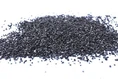
Activated carbon, also known as activated charcoal, is a highly porous material with a vast surface area. This unique structure allows it to adsorb a wide range of contaminants, including volatile organic compounds (VOCs), odors, and certain gases. The activation process involves heating carbonaceous materials, such as coconut shells, wood, or coal, to high temperatures in the presence of an activating agent. This creates a network of tiny pores and channels, increasing the surface area available for adsorption.
The Adsorption Process
The effectiveness of activated carbon lies in its ability to attract and trap molecules on its surface through a process called adsorption. When air passes through a bed of activated carbon, pollutants are drawn to the surface of the carbon particles and held there by weak intermolecular forces. This process is physical in nature, meaning that no chemical reactions occur between the pollutants and the activated carbon. As a result, the pollutants are simply captured and retained, rather than being transformed into other substances.
Safety of Activated Carbon
One of the key advantages of activated carbon is its inherent safety. Unlike some chemical air purifiers, which may release harmful byproducts or react with pollutants to form new compounds, activated carbon is a natural and inert material. It does not emit any harmful substances during normal use, making it a safe and reliable choice for air purification.
In fact, activated carbon has been used for centuries in a variety of applications, including water treatment, food and beverage processing, and medical treatments. It is widely recognized as a safe and effective adsorbent, and its use is regulated by various government agencies, such as the Environmental Protection Agency (EPA) and the Food and Drug Administration (FDA).
Potential Contaminants
While activated carbon itself is generally safe, there is a possibility that it may become contaminated with harmful substances during the manufacturing process or through improper handling and storage. For example, if the raw materials used to produce activated carbon are contaminated with heavy metals or other pollutants, these contaminants may be present in the final product. Additionally, if activated carbon is exposed to high levels of humidity or moisture, it may become a breeding ground for mold and bacteria.
To ensure the safety and quality of our Air Purification Activated Carbon, we take several precautions during the manufacturing process. We source our raw materials from reputable suppliers and conduct rigorous quality control tests to ensure that they are free from contaminants. We also use advanced manufacturing techniques to minimize the risk of contamination during production.
In addition, we provide detailed instructions on how to handle and store our activated carbon to prevent contamination. Our products are packaged in airtight containers to protect them from moisture and other environmental factors, and we recommend storing them in a cool, dry place away from direct sunlight.
Regeneration and Disposal
Another important consideration when using activated carbon is its regeneration and disposal. Over time, the pores of activated carbon become filled with pollutants, reducing its effectiveness. When this happens, the activated carbon can be regenerated by heating it to high temperatures to remove the adsorbed pollutants. This process restores the surface area of the carbon and allows it to be reused.
However, it's important to note that regeneration should only be performed by a qualified professional using specialized equipment. Improper regeneration can damage the activated carbon and release harmful pollutants into the air.
When activated carbon reaches the end of its useful life, it should be disposed of properly. In most cases, activated carbon can be disposed of in a landfill, but it's important to check with your local waste management authorities to ensure that you are following the proper procedures.
Conclusion
In conclusion, air purification activated carbon is a safe and effective solution for removing pollutants from the air. It does not release any harmful substances during normal use, and its use is regulated by various government agencies. However, it's important to ensure that the activated carbon you use is of high quality and has been properly manufactured and handled to prevent contamination.
As a supplier of Air Purification Activated Carbon, we are committed to providing our customers with the highest quality products and services. We offer a wide range of activated carbon products, including Electroplate Special Activated Carbon and Tail Liquid Recycle Activated Carbon, to meet the specific needs of our customers.
If you are interested in learning more about our products or would like to discuss your air purification needs, please don't hesitate to contact us. We look forward to working with you to improve the quality of your indoor air.


References
- "Activated Carbon: Properties and Applications." Journal of Chemical Education, vol. 82, no. 1, 2005, pp. 134-138.
- "Air Purification Technologies: A Review." Environmental Science & Technology, vol. 45, no. 1, 2011, pp. 15-25.
- "The Use of Activated Carbon in Water Treatment." Water Research, vol. 42, no. 1, 2008, pp. 1-22.