



Hey there! As a supplier of Wood Powdered Activated Carbon, I often get asked about its reaction activity. So, I thought I'd take a moment to break it down for you.
First off, let's talk about what Wood Powdered Activated Carbon is. It's a super fine powder made from wood materials that have been processed to create a highly porous structure. This porous nature gives it a huge surface area, which is key to its reaction activity. You can learn more about it on our Wood Powdered Activated Carbon page.
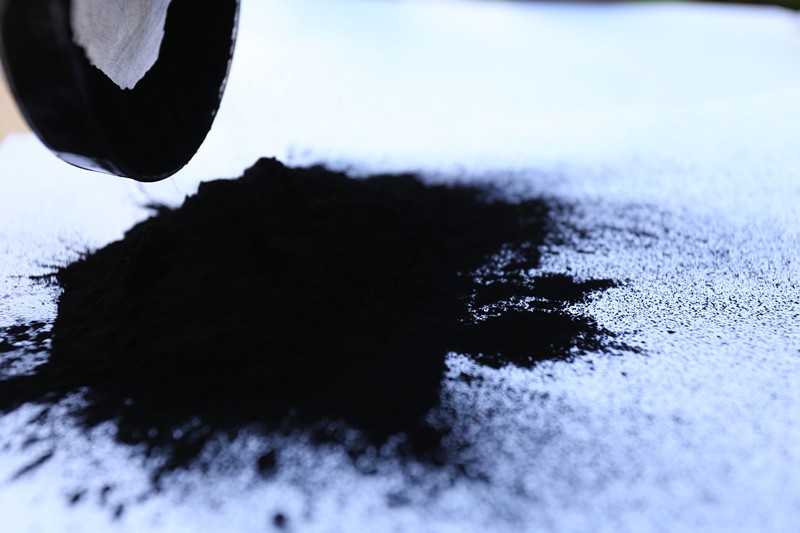
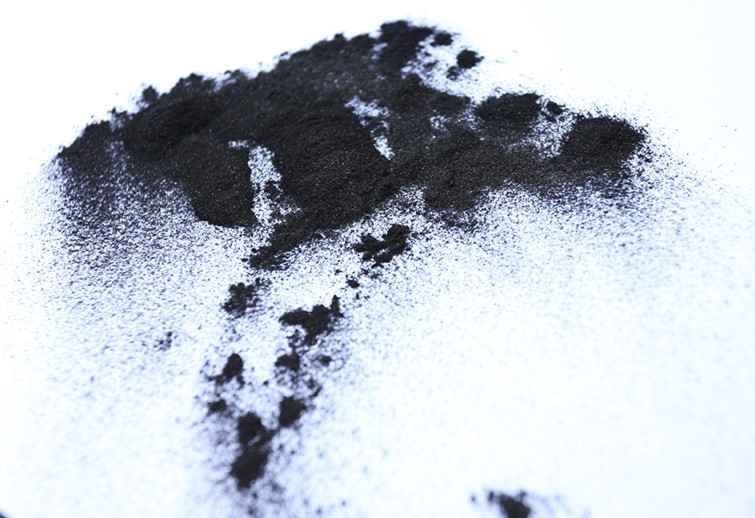
The reaction activity of Wood Powdered Activated Carbon mainly comes from its ability to adsorb various substances. Adsorption is a process where molecules of a gas, liquid, or dissolved solid adhere to the surface of the carbon. This happens because of the strong van der Waals forces between the carbon surface and the adsorbate molecules.
One of the most common applications where the reaction activity of Wood Powdered Activated Carbon shines is in water treatment. In water, there are all sorts of contaminants like organic compounds, heavy metals, and even some microorganisms. The activated carbon can attract and hold these contaminants on its surface. For example, organic compounds like pesticides and industrial solvents can be effectively removed from water by the adsorption process. The large surface area of the carbon provides plenty of sites for these molecules to stick to, reducing their concentration in the water.
Another area where Wood Powdered Activated Carbon shows high reaction activity is in the food and beverage industry. It's used to remove color, odor, and impurities from products. In the production of sugar, for instance, the carbon can adsorb the colored impurities, making the sugar look cleaner and more appealing. In the brewing industry, it can help remove unwanted flavors and odors from beer, improving its taste and quality.
When compared to Coal-Based Powdered Activated Carbon, Wood Powdered Activated Carbon has some unique advantages in terms of reaction activity. Wood-based carbon generally has a more uniform pore size distribution, which can be beneficial for adsorbing certain types of molecules. It also tends to have a higher adsorption capacity for some organic compounds, especially those with smaller molecular sizes.
The reaction activity of Wood Powdered Activated Carbon can be affected by several factors. One of the most important factors is the activation process. There are two main methods of activation: physical activation and chemical activation. Physical activation involves heating the wood material in the presence of an oxidizing gas like steam or carbon dioxide. This process creates pores in the carbon structure. Chemical activation, on the other hand, uses chemicals like phosphoric acid or zinc chloride to treat the wood before heating. The choice of activation method can significantly impact the pore size, surface area, and ultimately the reaction activity of the carbon.
The particle size of the Wood Powdered Activated Carbon also plays a role in its reaction activity. Smaller particle sizes generally have a larger surface area per unit mass, which means more sites for adsorption. However, very fine particles can be more difficult to handle and separate from the treated medium. So, a balance needs to be struck between particle size and practicality.
The temperature and pH of the environment can also affect the reaction activity. In general, higher temperatures can increase the rate of adsorption, but they can also desorb some of the adsorbed molecules. The pH can influence the charge on the surface of the carbon and the ionization state of the adsorbate molecules. For example, some heavy metals are more easily adsorbed at certain pH values.
In addition to adsorption, Wood Powdered Activated Carbon can also participate in some chemical reactions. It can act as a catalyst or a support for catalysts in certain chemical processes. For example, in some oxidation reactions, the carbon can provide a surface for the reactants to come into contact and react more efficiently.
Now, you might be wondering how all this knowledge about reaction activity can benefit you. Well, if you're in an industry that requires purification, decolorization, or odor removal, Wood Powdered Activated Carbon could be the solution you're looking for. Its high reaction activity makes it a versatile and effective material for a wide range of applications.
Whether you're running a water treatment plant, a food processing facility, or a chemical manufacturing plant, our Wood Powdered Activated Carbon can meet your needs. We offer high-quality products with consistent reaction activity, ensuring that you get the best results for your processes.
If you're interested in learning more or discussing a potential purchase, don't hesitate to get in touch. We're always happy to have a chat and see how we can help you with your specific requirements.
References
- "Activated Carbon Adsorption" by Perry's Chemical Engineers' Handbook
- "Carbon Materials for Advanced Technologies" edited by M. S. Dresselhaus, G. Dresselhaus, and A. J. Epstein