


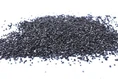

Hey there! As a supplier of Coal Columnar Activated Carbon, I'm super excited to walk you through the production process of this awesome product. So, let's dive right in!
Raw Material Selection
The first step in making coal columnar activated carbon is picking the right raw materials. We usually go for high - quality bituminous coal or anthracite coal. These coals have the right carbon content and physical properties that are essential for producing good - quality activated carbon. Bituminous coal, for example, has a relatively high volatile matter content, which can help in the activation process later on. Anthracite, on the other hand, is known for its high carbon purity, which can result in activated carbon with excellent adsorption performance.
Crushing and Grinding
Once we've got our coal, the next thing we do is crush it. We use crushers to break the large chunks of coal into smaller pieces. This makes it easier to handle and further process. After crushing, the coal goes through a grinding process. We grind the coal into a fine powder. The particle size of this powder is crucial as it affects the final properties of the activated carbon. A finer powder generally leads to a larger surface area in the final product, which means better adsorption capacity.
Mixing with Binders
After grinding, we mix the coal powder with binders. Binders are substances that help hold the coal particles together during the shaping process. Commonly used binders include coal tar, pitch, or some special organic binders. The amount and type of binder we use depend on the properties we want to achieve in the final product. For instance, if we want a more rigid and dense activated carbon, we might adjust the binder ratio accordingly. The mixing process is done in special mixers to ensure a uniform distribution of the binder throughout the coal powder.
Extrusion
Once the coal powder and binder are well - mixed, it's time for extrusion. We use an extruder, which is a machine that forces the mixture through a die with a specific shape. In our case, we use a die that gives the activated carbon a columnar shape. The extruder applies pressure to the mixture, pushing it through the die and creating long, cylindrical columns of the coal - binder mixture. The diameter and length of these columns can be adjusted according to customer requirements.
Carbonization
After extrusion, the columnar coal - binder mixture goes through a carbonization process. We place the columns in a carbonization furnace and heat them in an oxygen - free environment. This heating process is usually carried out at temperatures between 400°C and 700°C. During carbonization, the volatile matter in the coal and binder is driven off, and the carbon atoms in the coal start to rearrange themselves into a more stable structure. This process also helps strengthen the columns and gives them a certain degree of mechanical strength.
Activation
Activation is the most critical step in the production of coal columnar activated carbon. There are two main methods of activation: physical activation and chemical activation.
Physical Activation
In physical activation, we heat the carbonized columns in the presence of an activating agent, usually steam or carbon dioxide. The columns are placed in an activation furnace, and the activating agent is introduced at high temperatures, typically between 800°C and 1000°C. The steam or carbon dioxide reacts with the carbon in the columns, creating tiny pores on the surface and inside the columns. These pores are what give activated carbon its amazing adsorption properties. The size and distribution of these pores can be controlled by adjusting the activation temperature, time, and the flow rate of the activating agent.
Chemical Activation
Chemical activation involves using chemicals such as zinc chloride, phosphoric acid, or potassium hydroxide. We impregnate the carbonized columns with these chemicals and then heat them. The chemicals react with the carbon, creating pores in a similar way to physical activation. Chemical activation can sometimes result in a more developed pore structure and a higher surface area compared to physical activation. However, it also requires careful handling of the chemicals due to their corrosive and hazardous nature.
Washing and Drying
After activation, the activated carbon columns need to be washed. This is to remove any residual chemicals (if chemical activation was used) or ash and other impurities. We use water or special washing solutions to clean the columns thoroughly. After washing, the columns are dried to remove the moisture. Drying is usually done in a dryer at a controlled temperature to ensure that the activated carbon retains its pore structure and properties.


Screening and Packaging
Once the activated carbon is dry, we screen it to separate the columns into different sizes. This is important because different applications may require different particle sizes of activated carbon. After screening, the columns are ready for packaging. We use high - quality packaging materials to protect the activated carbon from moisture, dust, and other contaminants during storage and transportation.
Applications and Our Other Products
Coal columnar activated carbon has a wide range of applications. It is commonly used in water treatment to remove impurities, odors, and colors from water. It's also used in air purification to adsorb harmful gases and pollutants. In the industrial sector, it can be used in the purification of various chemicals and gases.
If you're interested in other types of activated carbon, we also offer Liquor Special Activated Carbon, which is specifically designed for the liquor industry to remove impurities and improve the taste and clarity of liquor. Another product we have is Coal Broken Activated Carbon, which has different physical properties and is suitable for different applications compared to the columnar type. You can find more details about our Coal Columnar Activated Carbon on our website.
Contact Us for Purchase
If you're in the market for high - quality coal columnar activated carbon or any of our other activated carbon products, we'd love to hear from you. We can offer customized solutions based on your specific requirements. Whether you need a small quantity for a laboratory test or a large - scale supply for an industrial project, we've got you covered. Reach out to us and let's start a conversation about your activated carbon needs.
References
- "Activated Carbon: Surface Chemistry, Adsorption Kinetics, and Applications" - A comprehensive book on activated carbon production and applications.
- Journal articles on coal - based activated carbon production processes from leading chemical engineering journals.