



Can nut shell activated carbon be used for water purification?
As a supplier of nut shell activated carbon, I've been frequently asked whether our product can be effectively used for water purification. In this blog, I'll delve into the science behind nut shell activated carbon and its suitability for water - purification applications.
What is Nut Shell Activated Carbon?
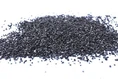
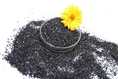
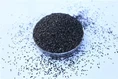
Nut shell activated carbon is produced from various nut shells, such as coconut shells, walnut shells, and apricot kernel shells. These raw materials are first carbonized at high temperatures and then activated through a process that creates a highly porous structure. The activation process significantly increases the surface area of the carbon, which can reach up to 1000 - 1500 square meters per gram. This large surface area provides numerous adsorption sites, making nut shell activated carbon an excellent adsorbent.
The Science of Water Purification with Nut Shell Activated Carbon
Water purification is a complex process that involves the removal of various contaminants, including organic compounds, heavy metals, chlorine, and microorganisms. Nut shell activated carbon works through a mechanism called adsorption. Adsorption is the adhesion of atoms, ions, or molecules from a gas, liquid, or dissolved solid to a surface.
Removal of Organic Compounds
Many organic compounds in water, such as pesticides, solvents, and industrial chemicals, can be effectively removed by nut shell activated carbon. The porous structure of the carbon allows these organic molecules to be trapped within the pores. The interaction between the carbon surface and the organic compounds is mainly due to van der Waals forces and hydrophobic interactions. For example, benzene, a common organic pollutant in water, can be adsorbed onto the surface of nut shell activated carbon because of its non - polar nature, which is attracted to the relatively non - polar carbon surface.
Heavy Metal Removal
Heavy metals like lead, mercury, and cadmium are toxic to humans and the environment. Nut shell activated carbon can remove these heavy metals through a combination of physical adsorption and chemical reactions. Some activated carbons can be modified to have specific functional groups on their surface, such as carboxyl and hydroxyl groups. These functional groups can form complexes with heavy metal ions, enhancing the adsorption capacity. For instance, the carboxyl groups on the carbon surface can react with lead ions to form insoluble lead carboxylates, which are then adsorbed onto the carbon.


Chlorine Removal
Chlorine is commonly used as a disinfectant in water treatment, but excessive chlorine can cause unpleasant odors and tastes in water. Nut shell activated carbon can effectively remove chlorine through a chemical reaction. The carbon surface contains active sites that can react with chlorine to form chloride ions. This reaction is relatively fast and efficient, making nut shell activated carbon a popular choice for dechlorination in water purification systems.
Applications of Nut Shell Activated Carbon in Water Purification
Domestic Water Purification
In households, nut shell activated carbon is widely used in water filters. Water pitchers, faucet - mounted filters, and under - sink filtration systems often contain nut shell activated carbon cartridges. These filters can improve the taste and odor of tap water by removing chlorine, organic compounds, and some heavy metals. For example, a simple water pitcher with a nut shell activated carbon filter can make tap water taste more like bottled water by reducing the presence of contaminants.
Industrial Water Treatment
Industries such as food and beverage, pharmaceutical, and electronics also rely on nut shell activated carbon for water purification. In the food and beverage industry, high - quality water is essential for product quality. Nut shell activated carbon can remove impurities that may affect the taste, color, and safety of the final products. In the pharmaceutical industry, water used in drug manufacturing must meet strict purity standards. Nut shell activated carbon helps in removing organic and inorganic contaminants to ensure the quality of the water used in the production process.
Wastewater Treatment
Wastewater from industrial and domestic sources often contains a variety of contaminants. Nut shell activated carbon can be used in wastewater treatment plants as a part of the advanced treatment process. It can remove residual organic pollutants, heavy metals, and other contaminants that are not completely removed by conventional treatment methods. This helps in reducing the environmental impact of wastewater discharge.
Our Nut Shell Activated Carbon Products for Water Purification
As a supplier, we offer a range of nut shell activated carbon products specifically designed for water purification. Our Nutshell Water Purification Activated Carbon is carefully manufactured to have a high adsorption capacity for a wide range of contaminants. It is suitable for both domestic and industrial water purification applications.
In addition, we also provide Electroplate Special Activated Carbon for industries that require high - purity water in electroplating processes. This type of activated carbon can effectively remove impurities that may affect the electroplating quality.
For the gold mining industry, our Nutshell Gold Recovery Carbon is an excellent choice. It can be used in the carbon - in - pulp (CIP) and carbon - in - leach (CIL) processes to recover gold from ore slurries. Although this is not strictly a water purification application, it shows the versatility of our nut shell activated carbon products.
Contact Us for Purchase and Consultation
If you are interested in using nut shell activated carbon for water purification or other applications, we are here to help. Our team of experts can provide you with detailed information about our products, including technical specifications, performance data, and application guidelines. Whether you are a small - scale domestic user or a large - scale industrial enterprise, we can offer customized solutions to meet your specific needs.
Please feel free to reach out to us for more information and to start a purchase negotiation. We look forward to establishing a long - term business relationship with you.
References
- "Activated Carbon Adsorption" by Perry's Chemical Engineers' Handbook.
- "Water Treatment Unit Processes: Physical and Chemical" by David W. Hendricks.
- Research papers on the application of nut shell activated carbon in water purification from academic journals such as "Environmental Science & Technology".