




Hey there! As a supplier of powdered activated carbon, I often get asked about the oxidation resistance of this amazing product. So, I thought I'd write this blog to share some insights on what oxidation resistance in powdered activated carbon is all about.
First off, let's understand what oxidation is. Oxidation is a chemical reaction that involves the loss of electrons by a substance. In simpler terms, it's like when iron rusts. The iron reacts with oxygen in the air, and over time, it forms iron oxide, which we know as rust. In the case of powdered activated carbon, oxidation can also occur, and its oxidation resistance determines how well it can withstand this process.
Powdered activated carbon is a highly porous material with a large surface area. This unique structure gives it excellent adsorption properties, making it useful in a wide range of applications, from water purification to air filtration. But this same structure also means that it can be vulnerable to oxidation under certain conditions.
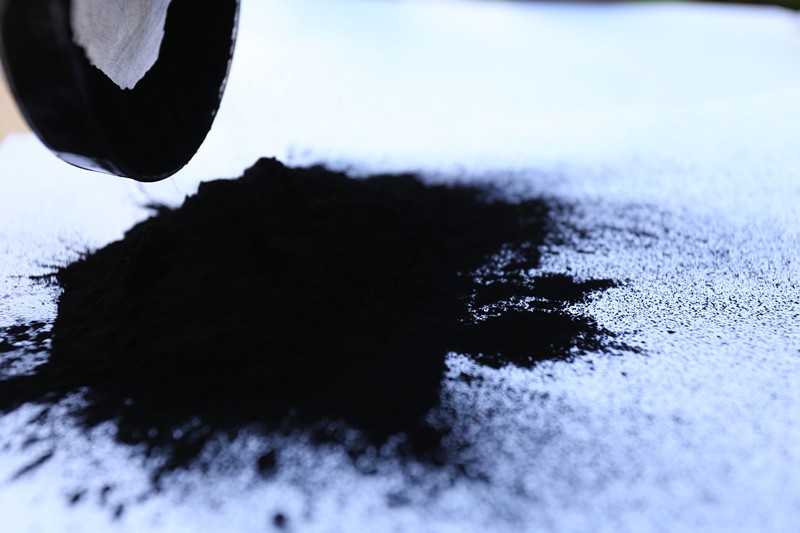
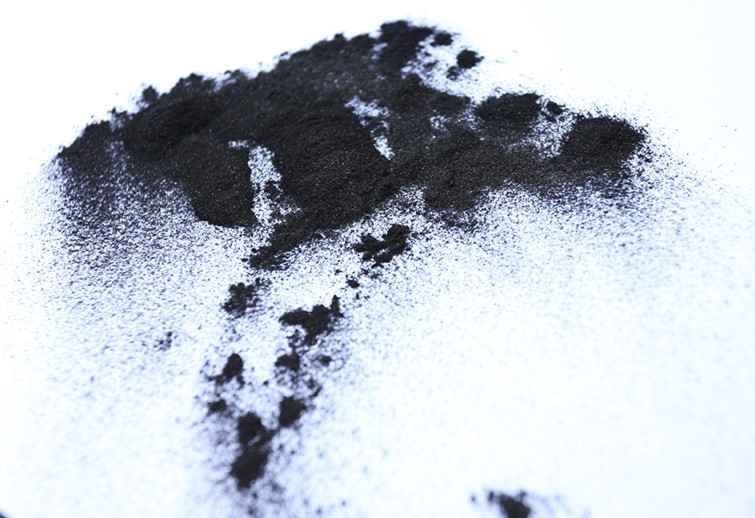
The oxidation resistance of powdered activated carbon is influenced by several factors. One of the key factors is the raw material used to make it. For example, Wood Powdered Activated Carbon is made from wood sources. Wood has a different chemical composition compared to other raw materials, and this can affect the carbon's ability to resist oxidation. Generally, wood-based powdered activated carbon has good oxidation resistance due to the natural properties of wood. It contains certain organic compounds that can act as antioxidants to some extent, helping to protect the carbon from oxidation.
On the other hand, Coal-Based Powdered Activated Carbon is derived from coal. Coal has a different set of chemical characteristics. It often has a higher carbon content, but it may also contain impurities that can either enhance or reduce its oxidation resistance. Some types of coal can produce powdered activated carbon with excellent oxidation resistance, especially if they are processed in a way that removes the impurities that could promote oxidation.
Another factor that affects oxidation resistance is the activation process. Activation is the step where the raw material is turned into activated carbon. There are two main methods of activation: physical activation and chemical activation. Physical activation typically involves heating the raw material in the presence of an activating gas, such as steam or carbon dioxide. This process creates the pores in the carbon, but it can also influence its oxidation resistance. If the activation process is too harsh, it might damage the carbon structure and make it more susceptible to oxidation.
Chemical activation, on the other hand, uses chemicals like phosphoric acid or zinc chloride to create the pores. The choice of chemical and the conditions of the activation can also have an impact on the oxidation resistance. For example, if the chemical residues are not properly removed after activation, they could react with oxygen and increase the rate of oxidation.
The environment in which the powdered activated carbon is used also plays a crucial role. In a high - oxygen environment, the risk of oxidation is naturally higher. For instance, in air purification systems where the carbon is constantly exposed to oxygen in the air, oxidation can be a concern. Temperature also affects oxidation. Higher temperatures generally speed up chemical reactions, including oxidation. So, if the powdered activated carbon is used in a high - temperature application, its oxidation resistance needs to be carefully considered.
The particle size of the powdered activated carbon can also influence oxidation. Smaller particles have a larger surface area per unit mass, which means they are more exposed to oxygen and other oxidizing agents. This can potentially make them more prone to oxidation compared to larger particles. However, smaller particles also have better adsorption performance in many cases, so it's a trade - off that needs to be balanced depending on the specific application.
Now, you might be wondering why oxidation resistance is so important. Well, when powdered activated carbon oxidizes, its adsorption capacity can decrease. Oxidation can change the surface chemistry of the carbon, blocking the pores or altering the chemical groups on the surface. This means that it won't be as effective at adsorbing contaminants, whether they are in water or air.
In water treatment applications, for example, if the carbon oxidizes, it might not be able to remove organic compounds, heavy metals, or other pollutants as efficiently. This can lead to a decrease in the quality of the treated water. In air purification, oxidized carbon might not be able to capture volatile organic compounds (VOCs) or other harmful gases as well, reducing the effectiveness of the air filtration system.
As a supplier, I always make sure to test the oxidation resistance of our powdered activated carbon products. We use various methods to measure oxidation resistance, such as exposing the carbon to an oxidizing agent under controlled conditions and then analyzing the changes in its properties. This allows us to provide our customers with accurate information about the performance of our products in different environments.
If you're in the market for powdered activated carbon, it's important to consider the oxidation resistance based on your specific application. If you're using it in a high - oxygen, high - temperature environment, you'll want a product with excellent oxidation resistance. On the other hand, if the conditions are more mild, you might have more flexibility in your choice.
We offer a wide range of powdered activated carbon products with different levels of oxidation resistance to meet the diverse needs of our customers. Whether you need Wood Powdered Activated Carbon for its natural antioxidant properties or Coal-Based Powdered Activated Carbon for its high - carbon content, we've got you covered.
If you're interested in learning more about our products or discussing your specific requirements, feel free to reach out. We're always happy to help you find the right powdered activated carbon solution for your application.
References:
- "Activated Carbon: Adsorption from the Gas Phase" by A. L. Myers and G. J. Monson
- "Water Treatment Unit Processes: Physical and Chemical" by G. Clifford and J. Weber