


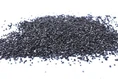
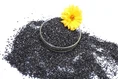

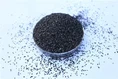
What is the ignition point of electricity high pure water special activated carbon?
As a supplier of Electricity High Pure Water Special Activated Carbon, I often encounter various questions from customers. One of the most frequently asked questions is about the ignition point of this special activated carbon. In this blog post, I will delve into this topic, providing a comprehensive understanding of the ignition point and related aspects of our product.
Understanding Activated Carbon
Activated carbon is a highly porous material with a large surface area, which gives it excellent adsorption properties. It is made from carbon - rich materials such as coconut shells, coal, or wood through a process of activation. Our Electricity High Pure Water Special Activated Carbon is specifically designed for use in high - purity water treatment in the electrical industry. It can effectively remove impurities, organic compounds, and heavy metals from water, ensuring the quality and safety of the water used in electrical systems.


The Concept of Ignition Point
The ignition point, also known as the ignition temperature, is the minimum temperature at which a substance will spontaneously ignite in air without an external ignition source such as a spark or flame. For activated carbon, the ignition point is an important parameter, especially when it comes to storage, transportation, and use.
Factors Affecting the Ignition Point of Electricity High Pure Water Special Activated Carbon
- Raw Materials: The type of raw material used to produce the activated carbon can significantly affect its ignition point. Coconut shell - based activated carbon, which is commonly used in our Electricity High Pure Water Special Activated Carbon, generally has a relatively high ignition point compared to other types of activated carbon. Coconut shell - based activated carbon has a more stable carbon structure, which makes it more resistant to ignition.
- Activation Process: The activation process also plays a crucial role in determining the ignition point. A well - controlled activation process can produce activated carbon with a more uniform pore structure and a higher degree of carbonization, both of which contribute to a higher ignition point. Our production process uses advanced activation techniques to ensure the quality and stability of our activated carbon.
- Impurities and Moisture Content: The presence of impurities and moisture in the activated carbon can lower its ignition point. Impurities can act as catalysts for combustion, while moisture can increase the heat transfer rate during heating, making the activated carbon more likely to ignite. We take strict quality control measures to ensure that our Electricity High Pure Water Special Activated Carbon has a low impurity and moisture content.
Typical Ignition Point Range
The ignition point of our Electricity High Pure Water Special Activated Carbon typically ranges from 450°C to 550°C. This relatively high ignition point makes it safe for use in most industrial applications. However, it is still important to follow proper storage and handling procedures to prevent any potential fire hazards.
Storage and Handling Precautions
- Storage: Store the activated carbon in a cool, dry, and well - ventilated area. Avoid storing it near heat sources, open flames, or oxidizing agents. Keep the activated carbon in sealed containers to prevent moisture absorption and contamination.
- Handling: When handling the activated carbon, use appropriate personal protective equipment such as gloves and masks. Avoid generating dust, as activated carbon dust can be a fire hazard. If a large amount of dust is generated, use proper dust collection systems.
Applications of Electricity High Pure Water Special Activated Carbon
Our Electricity High Pure Water Special Activated Carbon has a wide range of applications in the electrical industry. It is used in power plants, semiconductor manufacturing, and other electrical equipment that require high - purity water. By removing impurities from water, it helps to improve the efficiency and lifespan of electrical equipment.
Related Products
In addition to Electricity High Pure Water Special Activated Carbon, we also offer other types of activated carbon products. For example, Grease Bleaching Activated Carbon is used in the food industry for the purification of oils and fats. Coconut Shell Activated Carbon for Gold Recovery is widely used in the mining industry for the extraction of gold.
Why Choose Our Electricity High Pure Water Special Activated Carbon
- High Quality: Our activated carbon is made from high - quality coconut shells and produced using advanced technology, ensuring its high purity and excellent adsorption performance.
- Customization: We can customize the product according to the specific requirements of our customers, such as particle size, pore structure, and adsorption capacity.
- Technical Support: Our professional technical team can provide comprehensive technical support and solutions to our customers.
Contact Us for Procurement
If you are interested in our Electricity High Pure Water Special Activated Carbon or other activated carbon products, please feel free to contact us for procurement and further discussion. We are committed to providing you with the best products and services. You can visit our product page Electricity High Pure Water Special Activated Carbon for more information.
References
- "Activated Carbon: Adsorption Technology and Applications" by John Crittenden et al.
- "Carbon Materials Science and Engineering" edited by Michel J. Ledoux and Bernard Delmon.