


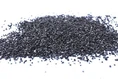


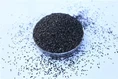
As a supplier of Coal Columnar Activated Carbon, I've witnessed firsthand the wide - ranging applications and the importance of its adsorption performance. The adsorption performance of coal columnar activated carbon is a critical factor that determines its effectiveness in various industries, such as water treatment, air purification, and chemical processing. In this blog, I'll explore the key factors that affect the adsorption performance of this remarkable material.
1. Physical Structure of Coal Columnar Activated Carbon
The physical structure of coal columnar activated carbon plays a fundamental role in its adsorption capacity. The most important physical characteristics are surface area, pore size distribution, and pore volume.
Surface Area
The surface area of activated carbon is directly related to its adsorption ability. A larger surface area provides more sites for adsorbate molecules to attach. Coal columnar activated carbon is known for its high surface area, which can be as large as several hundred to over a thousand square meters per gram. This extensive surface area is created during the activation process, where the carbon material is treated to develop a porous structure. For example, in the activation process using steam or chemicals, carbon atoms are removed from the coal matrix, leaving behind a network of pores. The greater the surface area, the more adsorbate molecules can come into contact with the carbon surface, leading to enhanced adsorption performance.
Pore Size Distribution
Pore size distribution is another crucial factor. Coal columnar activated carbon typically has three types of pores: micropores (less than 2 nm), mesopores (2 - 50 nm), and macropores (greater than 50 nm). Micropores are mainly responsible for the adsorption of small molecules, such as gases and volatile organic compounds (VOCs). Mesopores facilitate the diffusion of larger molecules and can also contribute to the adsorption of some medium - sized adsorbates. Macropores act as channels for the adsorbate to reach the micropores and mesopores. A well - balanced pore size distribution is essential for efficient adsorption. For instance, in water treatment applications, if the activated carbon has a high proportion of micropores, it can effectively remove small organic contaminants. However, if there are not enough mesopores and macropores, the diffusion of larger molecules may be hindered, reducing the overall adsorption efficiency.
Pore Volume
The pore volume is related to the amount of adsorbate that the activated carbon can hold. A larger pore volume means more space is available for the adsorbate to be stored within the carbon structure. When the pore volume is sufficient, the activated carbon can adsorb a greater quantity of contaminants before reaching its saturation point. This is particularly important in applications where high - volume adsorption is required, such as in large - scale water treatment plants or industrial air purification systems.
2. Chemical Properties of Coal Columnar Activated Carbon
The chemical properties of coal columnar activated carbon also have a significant impact on its adsorption performance.
Surface Functional Groups
The surface of coal columnar activated carbon can have various functional groups, such as hydroxyl (-OH), carboxyl (-COOH), and carbonyl (-C = O) groups. These functional groups can interact with adsorbate molecules through different mechanisms, such as hydrogen bonding, electrostatic attraction, and chemical reactions. For example, the presence of carboxyl groups on the carbon surface can attract positively charged adsorbate molecules through electrostatic forces. In addition, some functional groups can participate in chemical reactions with specific adsorbates, leading to chemisorption. Chemisorption is a stronger form of adsorption compared to physisorption, which is based on weak van der Waals forces. The type and concentration of surface functional groups can be controlled during the activation process or through post - treatment methods, allowing for the customization of the activated carbon's adsorption properties for specific applications.
Ash Content
Ash is an impurity in coal columnar activated carbon. High ash content can reduce the adsorption performance in several ways. First, ash particles can block the pores of the activated carbon, reducing the available surface area and pore volume for adsorption. Second, ash may contain substances that can react with the adsorbate or interfere with the adsorption process. For example, some metal oxides in the ash may catalyze unwanted reactions or form complexes with the adsorbate, reducing its adsorption efficiency. Therefore, it is important to control the ash content during the production of coal columnar activated carbon to ensure optimal adsorption performance.
3. Characteristics of the Adsorbate
The properties of the adsorbate also play a vital role in the adsorption process.
Molecular Size and Shape
The size and shape of the adsorbate molecules determine whether they can enter the pores of the coal columnar activated carbon. Smaller molecules can easily penetrate into the micropores, while larger molecules may be restricted to mesopores or macropores. If the adsorbate molecule is too large to enter the pores, adsorption will be limited. For example, in the adsorption of proteins from a solution, the large size of protein molecules may prevent them from entering the micropores of the activated carbon, and only mesopores and macropores will contribute to the adsorption. The shape of the adsorbate molecule can also affect its adsorption. Molecules with a more compact shape may have a higher chance of entering the pores compared to elongated or branched molecules.
Solubility and Concentration
The solubility of the adsorbate in the medium (such as water or air) can influence its adsorption. In general, less soluble adsorbates are more likely to be adsorbed onto the activated carbon surface. For example, in water treatment, hydrophobic organic compounds are often more readily adsorbed by coal columnar activated carbon than hydrophilic ones. The concentration of the adsorbate also matters. At low concentrations, the adsorption process may follow a linear relationship with the adsorbate concentration. However, at high concentrations, the adsorption sites on the activated carbon may become saturated, and the adsorption rate may decrease.
4. Operating Conditions
The operating conditions under which the coal columnar activated carbon is used can significantly affect its adsorption performance.
Temperature
Temperature has a complex effect on adsorption. In general, physisorption is an exothermic process, meaning that it releases heat. According to Le Chatelier's principle, increasing the temperature will shift the equilibrium of physisorption towards desorption, reducing the adsorption capacity. However, for chemisorption, which involves chemical reactions, an increase in temperature may increase the reaction rate up to a certain point, enhancing the adsorption. In practical applications, the optimal temperature for adsorption needs to be determined based on the specific adsorbate and the type of adsorption mechanism involved.
Pressure
In gas - phase adsorption, pressure can have a significant impact. Increasing the pressure generally increases the adsorption capacity, as it forces more adsorbate molecules to come into contact with the activated carbon surface. This is particularly important in applications such as natural gas purification, where high - pressure conditions are often used to enhance the adsorption of impurities.
Contact Time
The contact time between the adsorbate and the coal columnar activated carbon is crucial. Sufficient contact time allows the adsorbate molecules to diffuse into the pores and reach the adsorption sites. If the contact time is too short, the adsorption process may not be completed, and the adsorption capacity will be lower. In continuous - flow systems, such as water treatment columns or air filters, the flow rate needs to be adjusted to ensure an adequate contact time.


Conclusion
In conclusion, the adsorption performance of coal columnar activated carbon is affected by a variety of factors, including its physical structure, chemical properties, the characteristics of the adsorbate, and the operating conditions. As a supplier of Coal Columnar Activated Carbon, we understand the importance of these factors and strive to produce high - quality activated carbon with optimal adsorption performance. We also offer other types of activated carbon, such as Coal Broken Activated Carbon and Liquor Special Activated Carbon, to meet the diverse needs of our customers.
If you are interested in our products and want to discuss your specific requirements for adsorption applications, please feel free to contact us for procurement negotiations. We are committed to providing you with the best - suited activated carbon solutions.
References
- Yang, R. T. (1997). Gas Separation by Adsorption Processes. World Scientific.
- Foo, K. Y., & Hameed, B. H. (2010). Insights into the modeling of adsorption isotherm systems. Chemical Engineering Journal, 156(1), 2 - 10.
- Bansal, R. C., & Goyal, M. (2005). Activated Carbon Adsorption. Taylor & Francis.