


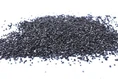


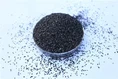
As a reputable supplier of Waterproof Honeycomb Activated Carbon, I've witnessed firsthand the growing interest in understanding its desorption performance. This blog aims to delve deep into this topic, exploring the factors that influence desorption, the benefits it offers, and how it compares to other types of activated carbon.
Understanding Desorption in Activated Carbon
Before we explore the desorption performance of waterproof honeycomb activated carbon, it's essential to understand what desorption is. Desorption is the process by which adsorbed substances are released from the surface of an adsorbent. In the case of activated carbon, adsorption occurs when pollutants, such as volatile organic compounds (VOCs), are trapped within the carbon's porous structure. Desorption, on the other hand, is the reverse process, where these pollutants are removed from the carbon, allowing it to be reused.
Factors Affecting Desorption Performance
Several factors influence the desorption performance of waterproof honeycomb activated carbon. These include temperature, pressure, the nature of the adsorbed substances, and the characteristics of the activated carbon itself.
Temperature
Temperature plays a crucial role in desorption. As the temperature increases, the kinetic energy of the adsorbed molecules also increases, making it easier for them to break free from the carbon's surface. This is why thermal desorption is one of the most common methods used to regenerate activated carbon. By heating the carbon to a specific temperature, the adsorbed substances can be vaporized and removed, leaving the carbon ready for reuse.
Pressure
Pressure can also affect desorption. Reducing the pressure around the activated carbon can create a vacuum, which helps to pull the adsorbed substances away from the carbon's surface. This method is often used in conjunction with thermal desorption to enhance the desorption process.
Nature of the Adsorbed Substances
The type of substances adsorbed onto the activated carbon can significantly impact desorption performance. Some substances, such as low-boiling-point VOCs, are relatively easy to desorb, while others, such as high-boiling-point compounds or heavy metals, may require more energy and specialized desorption methods.
Characteristics of the Activated Carbon
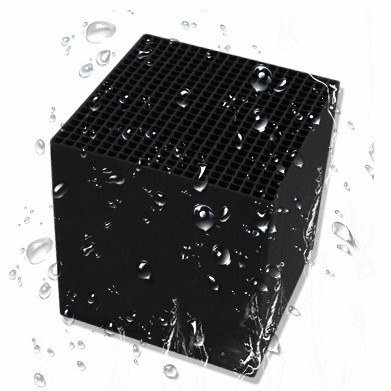
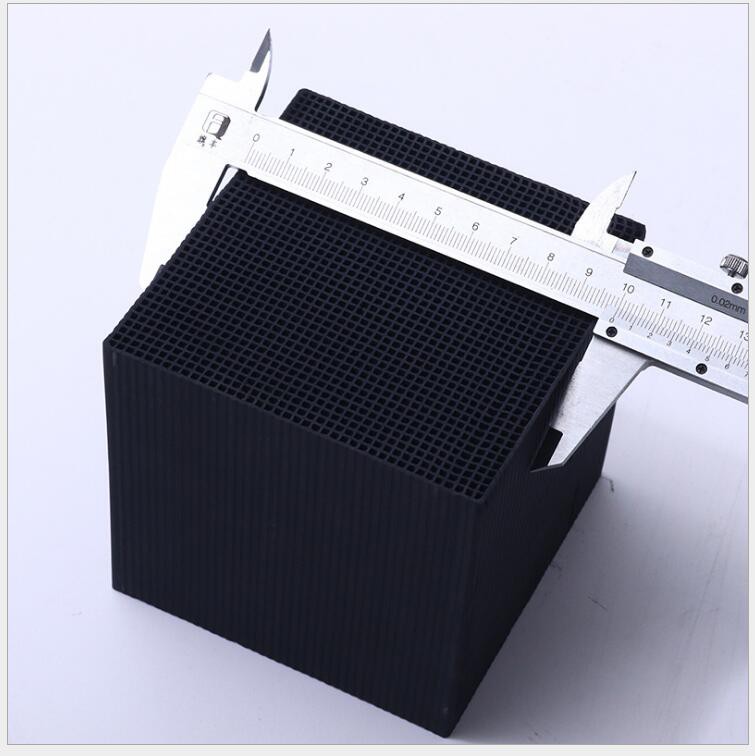
The physical and chemical properties of the activated carbon itself can also influence desorption performance. Factors such as pore size, surface area, and the presence of functional groups can affect how strongly the adsorbed substances are held onto the carbon's surface. Waterproof honeycomb activated carbon, for example, is designed with a unique honeycomb structure that provides a large surface area for adsorption and efficient desorption.
Benefits of Good Desorption Performance
A high desorption performance offers several benefits for users of waterproof honeycomb activated carbon. These include:
Cost Savings
By allowing the activated carbon to be reused, good desorption performance can significantly reduce the cost of using activated carbon for pollution control. Instead of constantly replacing the carbon, users can simply regenerate it and continue using it, saving money on purchasing new carbon.
Environmental Sustainability
Reusing activated carbon also has environmental benefits. By reducing the amount of carbon that needs to be produced and disposed of, it helps to conserve natural resources and reduce waste. This makes waterproof honeycomb activated carbon a more sustainable choice for pollution control.
Improved Efficiency
Good desorption performance ensures that the activated carbon can maintain its adsorption capacity over time. This means that it can continue to effectively remove pollutants from the air or water, improving the overall efficiency of the pollution control system.
Comparing Waterproof Honeycomb Activated Carbon to Common Honeycomb Activated Carbon
When it comes to desorption performance, waterproof honeycomb activated carbon has several advantages over Common Honeycomb Activated Carbon.
Water Resistance
As the name suggests, waterproof honeycomb activated carbon is designed to resist water. This makes it ideal for use in humid or wet environments, where common honeycomb activated carbon may become saturated with water and lose its adsorption capacity. The water resistance of waterproof honeycomb activated carbon also allows it to be regenerated using steam, which is a more efficient and environmentally friendly desorption method.
Higher Adsorption Capacity
The unique honeycomb structure of waterproof honeycomb activated carbon provides a larger surface area for adsorption compared to common honeycomb activated carbon. This means that it can adsorb more pollutants per unit of volume, resulting in a higher adsorption capacity. Additionally, the honeycomb structure allows for better gas flow, which further enhances the adsorption and desorption processes.
Longer Service Life
Due to its water resistance and high adsorption capacity, waterproof honeycomb activated carbon generally has a longer service life than common honeycomb activated carbon. This means that it can be reused more times before needing to be replaced, providing users with greater cost savings and environmental benefits.
Conclusion
In conclusion, the desorption performance of waterproof honeycomb activated carbon is a critical factor to consider when choosing an activated carbon for pollution control. Its ability to be effectively regenerated through desorption offers significant cost savings, environmental sustainability, and improved efficiency. Compared to common honeycomb activated carbon, waterproof honeycomb activated carbon has several advantages, including water resistance, higher adsorption capacity, and a longer service life.
If you're interested in learning more about Waterproof Honeycomb Activated Carbon or would like to discuss your specific pollution control needs, please don't hesitate to contact us. Our team of experts is ready to assist you in finding the best solution for your application.
References
- "Activated Carbon: Adsorption and Applications" by R. T. Yang
- "Environmental Chemistry" by Stanley E. Manahan
- "Air Pollution Control: A Design Approach" by Neil A. Canter and Larry G. Smith