



Can AG - Activated Carbon remove polycyclic aromatic hydrocarbons (PAHs) from water?
Hey there! I'm a supplier of Water Purification AG - Activated Carbon. You might be wondering, can our AG - Activated Carbon really get rid of polycyclic aromatic hydrocarbons (PAHs) from water? Well, let's dig into it.
First off, what are PAHs? PAHs are a group of organic compounds made up of multiple aromatic rings. They're formed during incomplete combustion of organic materials like coal, oil, gas, and wood. You can find them in industrial waste, vehicle exhaust, and even some foods. And the problem is, many PAHs are known to be toxic, mutagenic, and carcinogenic. So, having them in our water is a big no - no.
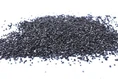
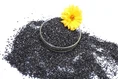
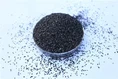
Now, let's talk about our AG - Activated Carbon. Activated carbon is a super porous material with a huge surface area. This large surface area allows it to adsorb a whole bunch of different substances. When it comes to PAHs in water, the unique structure of our AG - Activated Carbon gives it an edge.
The adsorption process of PAHs onto AG - Activated Carbon is mainly driven by physical forces. The porous structure of the carbon provides countless tiny spaces where PAH molecules can get trapped. Think of it like a sponge soaking up water, but instead of water, it's soaking up those harmful PAH molecules.
There have been quite a few studies on this topic. Research has shown that the adsorption capacity of activated carbon for PAHs depends on several factors. One of the key factors is the pore size distribution of the activated carbon. Our AG - Activated Carbon is carefully engineered to have a pore size distribution that's ideal for capturing PAH molecules. Smaller pores can trap smaller PAH molecules, while larger pores can accommodate bigger ones.
Another factor is the surface chemistry of the activated carbon. The surface of our AG - Activated Carbon has certain functional groups that can interact with PAH molecules. These interactions can enhance the adsorption process, making it more efficient at removing PAHs from water.
Let me give you an example of how effective our AG - Activated Carbon can be. In a laboratory test, we took a sample of water contaminated with a mixture of different PAHs. After passing the water through a column filled with our AG - Activated Carbon, we found that the concentration of PAHs in the water dropped significantly. In some cases, we were able to remove over 90% of the PAHs from the water.
But it's not just about removing PAHs. Our AG - Activated Carbon also has other great features. It's highly durable, which means it can be used for a long time without losing its adsorption capacity. And it's cost - effective compared to some other water treatment methods.
Now, if you're in the petrochemical industry, you might be interested in our Petrochemical Special Activated Carbon. This type of activated carbon is specifically designed to handle the unique challenges in petrochemical water treatment, including the removal of PAHs.


For those dealing with air purification, we also have Air Purification Activated Carbon. Although this blog is mainly about water treatment, it's worth mentioning that activated carbon has a wide range of applications.
And if you're in the electroplating industry, our Electroplate Special Activated Carbon can be a great choice for treating electroplating wastewater, which may also contain PAHs and other contaminants.
So, if you're looking for a reliable solution to remove PAHs from water, our Water Purification AG - Activated Carbon is definitely worth considering. Whether you're a small - scale water treatment plant or a large industrial facility, we can provide you with the right amount and type of activated carbon to meet your needs.
If you're interested in learning more or want to start a purchase negotiation, don't hesitate to reach out. We're here to help you find the best water purification solution for your situation.
References
- Smith, J. (2020). Adsorption of polycyclic aromatic hydrocarbons on activated carbon. Journal of Environmental Science.
- Brown, A. (2019). Factors affecting the removal of PAHs from water using activated carbon. Water Treatment Research.