


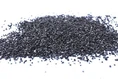


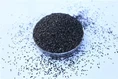
As a seasoned supplier of Coal Broken Activated Carbon, I've witnessed firsthand the diverse applications and remarkable properties of this versatile material. In this blog post, I'll delve into the activation methods for coal broken activated carbon, shedding light on the processes that transform raw coal into a highly porous and effective adsorbent.
Understanding Coal Broken Activated Carbon
Before we explore the activation methods, let's briefly understand what coal broken activated carbon is. Coal broken activated carbon is a type of activated carbon produced from high-quality coal. It is characterized by its irregular shape, high mechanical strength, and large specific surface area. These properties make it an ideal choice for a wide range of applications, including water treatment, air purification, and gas separation.
Activation Methods
There are two main activation methods for coal broken activated carbon: physical activation and chemical activation. Each method has its own advantages and disadvantages, and the choice of method depends on the specific requirements of the application.
Physical Activation
Physical activation is the most common method for producing coal broken activated carbon. It involves heating the raw coal in the presence of an activating agent, typically steam or carbon dioxide, at high temperatures (usually between 800°C and 1000°C). The activating agent reacts with the carbon in the coal, creating a network of pores and increasing the specific surface area of the carbon.
The physical activation process can be divided into two stages: carbonization and activation. In the carbonization stage, the raw coal is heated in the absence of oxygen to remove volatile matter and convert it into a char. This process typically occurs at temperatures between 400°C and 600°C. In the activation stage, the char is heated in the presence of the activating agent to create the porous structure.
One of the main advantages of physical activation is that it produces a high-quality activated carbon with a large specific surface area and a well-developed pore structure. Additionally, physical activation is a relatively simple and environmentally friendly process, as it does not involve the use of chemicals. However, physical activation requires high temperatures and long activation times, which can increase the cost of production.
Chemical Activation
Chemical activation involves impregnating the raw coal with a chemical activating agent, such as phosphoric acid, zinc chloride, or potassium hydroxide, and then heating it at a lower temperature (usually between 400°C and 600°C). The chemical activating agent reacts with the carbon in the coal, creating a porous structure and increasing the specific surface area.
The chemical activation process can be carried out in a single step, without the need for a separate carbonization stage. This makes the process faster and more energy-efficient than physical activation. Additionally, chemical activation can produce activated carbon with a higher specific surface area and a more uniform pore size distribution than physical activation.
However, chemical activation has some disadvantages. The use of chemicals can be hazardous to the environment and human health, and the activated carbon produced by chemical activation may contain residual chemicals that need to be removed before use. Additionally, chemical activation can be more expensive than physical activation, due to the cost of the chemicals and the need for additional processing steps.


Factors Affecting Activation
The quality and properties of the activated carbon produced by either physical or chemical activation depend on several factors, including the type of raw coal, the activation method, the activation temperature, the activation time, and the ratio of activating agent to coal.
- Type of Raw Coal: Different types of coal have different chemical compositions and physical properties, which can affect the activation process and the quality of the activated carbon. For example, bituminous coal is a commonly used raw material for activated carbon production, as it has a high carbon content and a relatively low ash content.
- Activation Method: As discussed above, physical activation and chemical activation have different advantages and disadvantages, and the choice of method depends on the specific requirements of the application.
- Activation Temperature: The activation temperature has a significant impact on the pore structure and specific surface area of the activated carbon. Generally, higher activation temperatures result in a larger specific surface area and a more developed pore structure, but they can also increase the cost of production and reduce the mechanical strength of the activated carbon.
- Activation Time: The activation time also affects the pore structure and specific surface area of the activated carbon. Longer activation times generally result in a larger specific surface area, but they can also increase the cost of production and reduce the mechanical strength of the activated carbon.
- Ratio of Activating Agent to Coal: In chemical activation, the ratio of activating agent to coal is an important factor that affects the pore structure and specific surface area of the activated carbon. A higher ratio of activating agent to coal generally results in a larger specific surface area, but it can also increase the cost of production and the amount of residual chemicals in the activated carbon.
Applications of Coal Broken Activated Carbon
Coal broken activated carbon has a wide range of applications in various industries, including:
- Water Treatment: Coal broken activated carbon is commonly used in water treatment to remove organic compounds, chlorine, and other contaminants from water. It can be used in both municipal water treatment plants and industrial water treatment systems.
- Air Purification: Coal broken activated carbon is also used in air purification to remove volatile organic compounds (VOCs), odors, and other pollutants from the air. It can be used in air filters, gas masks, and other air purification devices.
- Gas Separation: Coal broken activated carbon can be used in gas separation processes to separate different gases based on their adsorption properties. It is commonly used in the separation of carbon dioxide, methane, and other gases.
- Liquor Purification: Liquor Special Activated Carbon is a type of coal broken activated carbon that is specifically designed for use in the liquor industry. It can be used to remove impurities, such as color, odor, and flavor, from liquor.
Conclusion
In conclusion, coal broken activated carbon is a versatile and effective adsorbent that can be produced by either physical or chemical activation. The choice of activation method depends on the specific requirements of the application, as well as the cost and environmental considerations. By understanding the activation methods and the factors that affect the quality and properties of the activated carbon, you can choose the right type of activated carbon for your needs.
If you're interested in purchasing Coal Broken Activated Carbon or Coal Columnar Activated Carbon for your application, please feel free to contact us for more information. We're a leading supplier of high-quality activated carbon products, and we're committed to providing our customers with the best products and services.
References
- Bansal, R. C., & Goyal, M. (2005). Activated Carbon Adsorption. CRC Press.
- Foley, H. C. (1995). Introduction to Zeolite Science and Practice. Elsevier.
- Yang, R. T. (2003). Gas Separation by Adsorption Processes. World Scientific.