




Hey there! I'm a supplier of Wood Powdered Activated Carbon, and I often get asked if our product can be used in the ceramic industry. Well, let's dig into this topic and find out if wood powdered activated carbon has a place in the world of ceramics.
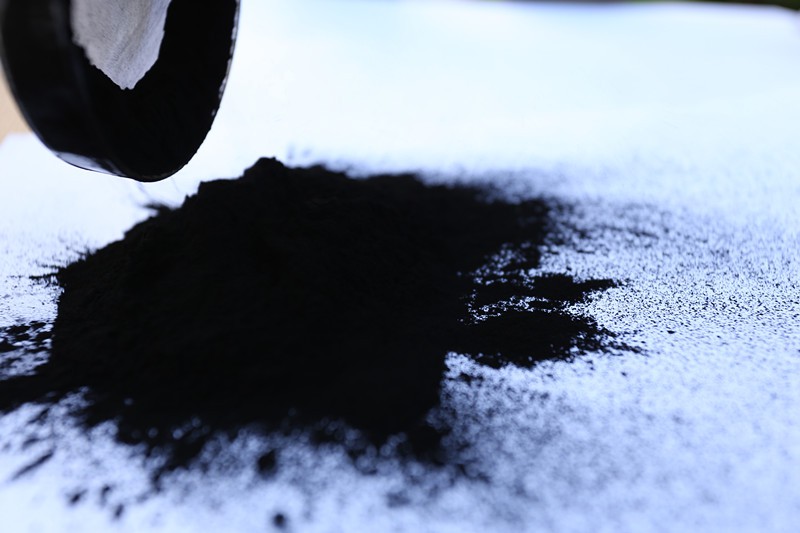
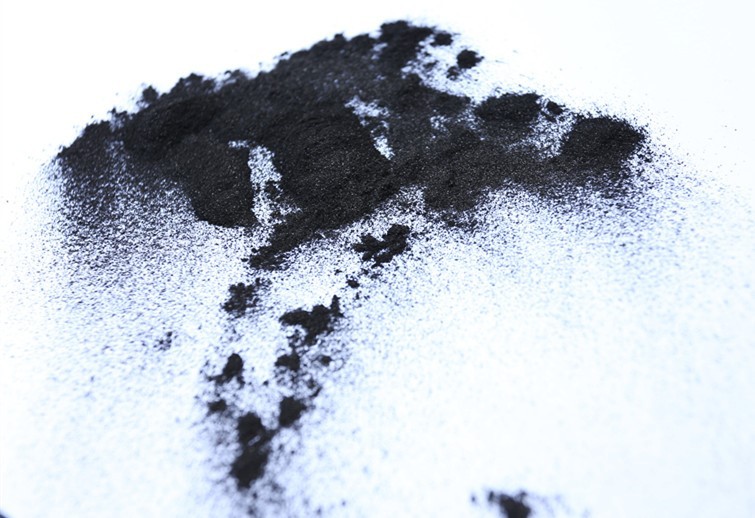
First off, let's talk a bit about what Wood Powdered Activated Carbon is. It's a super - versatile material made from wood that's been processed to have a huge surface area full of tiny pores. These pores are what give it its amazing adsorption properties. You can learn more about it on our website: Wood Powdered Activated Carbon.
Now, let's look at the ceramic industry. Ceramics are all around us, from the mugs we drink our coffee from to the tiles on our bathroom floors. The process of making ceramics involves several steps, including raw material preparation, shaping, and firing. Each step has its own requirements and challenges, and that's where our wood powdered activated carbon might come in handy.
Raw Material Preparation
In the ceramic industry, the quality of raw materials is crucial. The raw materials for ceramics often contain impurities like organic matter, heavy metals, and other contaminants. This is where the adsorption power of wood powdered activated carbon can shine.
When added to the raw material mixture, wood powdered activated carbon can adsorb those unwanted organic impurities. Organic matter can cause problems during the firing process, such as creating bubbles or discoloration in the final ceramic product. By removing these impurities, the carbon helps in producing a more uniform and high - quality ceramic body.
For example, in the production of porcelain, which requires a very pure raw material base, wood powdered activated carbon can be used to clean up the clay. The fine powder can be mixed with the clay slurry, and as it circulates, it grabs onto the organic contaminants. After a certain period, the carbon can be separated from the clay, taking the impurities with it.
Shaping Process
During the shaping process, some ceramic products use additives to improve their workability. Wood powdered activated carbon can potentially be used as an additive in some cases.
It can act as a lubricant of sorts. When added in small amounts to the ceramic body, it can reduce the friction between the particles. This makes it easier to shape the ceramic material, whether it's being molded, extruded, or pressed. For instance, in the production of ceramic pipes, where the clay needs to flow smoothly through the extrusion die, a small amount of wood powdered activated carbon can help the process run more smoothly.
Moreover, it can also affect the drying behavior of the ceramic body. It can absorb some of the moisture during the drying process, which helps in preventing cracks. Cracks are a common problem in the drying stage, especially for large - sized ceramic products. By controlling the moisture release, wood powdered activated carbon can contribute to a more crack - free drying process.
Firing Process
The firing process is where the ceramic material is transformed into a hard and durable product. Wood powdered activated carbon can play a role here too.
During firing, especially in reducing atmospheres, the carbon can react with oxygen and other gases in the kiln. This can create a reducing environment, which is beneficial for some types of ceramics. For example, in the production of some types of stoneware, a reducing atmosphere can enhance the color and texture of the final product. The carbon in the ceramic body can act as a reducing agent, reacting with the oxygen in the kiln to form carbon monoxide. This carbon monoxide then reacts with metal oxides in the ceramic, changing their oxidation states and resulting in unique color effects.
However, it's important to note that the amount of wood powdered activated carbon used in the firing process needs to be carefully controlled. If too much carbon is present, it can burn out completely during firing, leaving behind large pores or even causing the ceramic body to collapse. So, finding the right balance is key.
Comparison with Coal - Based Powdered Activated Carbon
You might be wondering how wood powdered activated carbon compares to Coal - Based Powdered Activated Carbon. Coal - based carbon is also widely used in various industries for adsorption purposes.
One advantage of wood powdered activated carbon over coal - based carbon in the ceramic industry is its purity. Wood is a more natural and clean source compared to coal. Coal - based carbon may contain more inorganic impurities, which could potentially introduce new contaminants into the ceramic raw materials.
Wood powdered activated carbon also has a more uniform pore structure. The pores in wood - based carbon are generally smaller and more evenly distributed. This makes it more effective in adsorbing small - molecule organic impurities, which are common in ceramic raw materials.
On the other hand, coal - based powdered activated carbon usually has a higher density and a larger pore volume in some cases. This can make it more suitable for applications where large - scale adsorption of larger molecules is required. But in the ceramic industry, where the focus is often on removing small organic impurities and creating a pure ceramic body, wood powdered activated carbon has its edge.
Potential Challenges
Of course, using wood powdered activated carbon in the ceramic industry isn't without its challenges.
One issue is the cost. Wood powdered activated carbon can be more expensive than some other traditional additives used in the ceramic industry. This might be a deterrent for some manufacturers, especially those on a tight budget.
Another challenge is the separation process. After using the carbon to adsorb impurities, separating it from the ceramic material can be a bit tricky. Special separation techniques need to be employed to ensure that no carbon residue is left in the final product, as this could affect the appearance and properties of the ceramic.
Conclusion
So, can wood powdered activated carbon be used in the ceramic industry? The answer is a definite yes. It has the potential to improve the quality of raw materials, enhance the shaping process, and contribute to the firing process in various ways.
While there are some challenges to overcome, the benefits it offers in terms of impurity removal, workability improvement, and unique firing effects make it a viable option for ceramic manufacturers.
If you're in the ceramic industry and are interested in exploring the use of wood powdered activated carbon in your production process, I'd love to have a chat with you. We can discuss how our high - quality wood powdered activated carbon can be tailored to your specific needs. Whether you have questions about the dosage, the application process, or the cost - effectiveness, I'm here to help. Let's work together to take your ceramic products to the next level.
References
- "Ceramic Materials Science and Engineering" by J. Reed
- "Activated Carbon: Adsorption from the Gas Phase and from Solution" by F. Rodriguez - Reinoso