


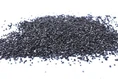

In the vast landscape of the textile industry, where innovation and sustainability are increasingly crucial, coal broken activated carbon emerges as a remarkable and versatile material. As a supplier of high - quality Coal Broken Activated Carbon, I am excited to delve into the various uses of this product in the textile sector.
1. Dye Removal in Textile Dyeing Processes
One of the most significant applications of coal broken activated carbon in the textile industry is in the removal of dyes from wastewater. Textile dyeing is a complex process that involves the use of a wide range of synthetic dyes. These dyes can be highly toxic and persistent in the environment if not properly treated.
Coal broken activated carbon has a large surface area and a porous structure, which gives it excellent adsorption properties. When wastewater from textile dyeing processes passes through a bed of coal broken activated carbon, the dye molecules are attracted to the surface of the carbon particles and are adsorbed. This effectively reduces the color and concentration of dyes in the wastewater, making it safer to discharge or reuse.
For example, reactive dyes, which are commonly used in the textile industry, can be difficult to remove by conventional treatment methods. However, coal broken activated carbon has shown great efficiency in adsorbing reactive dyes. Studies have indicated that the adsorption capacity of coal broken activated carbon for reactive dyes can reach up to several hundred milligrams per gram, depending on the type of dye and the characteristics of the carbon.
Moreover, compared with other adsorbents, coal broken activated carbon is relatively inexpensive and easy to obtain. This makes it a cost - effective solution for textile manufacturers to meet environmental regulations regarding wastewater discharge.


2. Odor Control in Textile Production
Textile production processes often generate unpleasant odors. These odors can come from various sources, such as the use of chemicals in dyeing and finishing, and the decomposition of organic matter in the raw materials. Coal broken activated carbon can play a vital role in odor control.
The porous structure of coal broken activated carbon allows it to adsorb odor - causing molecules. Volatile organic compounds (VOCs), which are common odor sources in the textile industry, can be effectively trapped by the carbon. By placing coal broken activated carbon in ventilation systems or in areas where odors are concentrated, textile factories can significantly improve the working environment for their employees and reduce the impact of odors on the surrounding community.
In addition, coal broken activated carbon can be regenerated after adsorption. Through processes such as heating or steam treatment, the adsorbed odor molecules can be desorbed from the carbon surface, allowing the carbon to be reused. This not only reduces the cost of odor control but also contributes to environmental sustainability.
3. Purification of Textile Auxiliaries
Textile auxiliaries are substances used in textile production to improve the performance and quality of textiles. These include surfactants, softeners, and antistatic agents. However, these auxiliaries may contain impurities or unwanted substances that can affect the quality of the final textile products.
Coal broken activated carbon can be used to purify textile auxiliaries. By passing the auxiliary solutions through a column filled with coal broken activated carbon, impurities such as heavy metals, organic contaminants, and color - causing substances can be removed. This purification process helps to ensure the stability and quality of textile auxiliaries, which in turn improves the overall quality of the textiles.
For instance, in the production of fabric softeners, coal broken activated carbon can remove any residual impurities that may cause discoloration or unpleasant odors in the softener. This results in a higher - quality fabric softener that can provide better softening and anti - static effects on textiles.
4. Air Purification in Textile Factories
Textile factories are often filled with dust, fibers, and chemical fumes. These airborne pollutants can pose a threat to the health of workers and can also affect the quality of the textile products. Coal broken activated carbon can be used in air purification systems to remove these pollutants.
In air filters, coal broken activated carbon can adsorb fine dust particles, chemical vapors, and harmful gases. The large surface area of the carbon allows it to capture a large amount of pollutants. For example, in areas where printing and finishing processes are carried out, coal broken activated carbon can effectively remove solvents and other volatile chemicals from the air.
By installing air purification systems with coal broken activated carbon in textile factories, manufacturers can create a cleaner and safer working environment. This not only protects the health of employees but also helps to prevent the contamination of textile products by airborne pollutants.
5. Comparison with Other Types of Activated Carbon
While there are other types of activated carbon available in the market, such as Coal Columnar Activated Carbon and Liquor Special Activated Carbon, coal broken activated carbon has its unique advantages in the textile industry.
Coal broken activated carbon has a more irregular shape and a higher degree of porosity compared to coal columnar activated carbon. This gives it a larger external surface area, which is beneficial for rapid adsorption of pollutants. In the textile wastewater treatment process, where a high - speed adsorption is often required, coal broken activated carbon can achieve better results.
On the other hand, liquor special activated carbon is specifically designed for the purification of liquor. Its pore size distribution and surface properties are optimized for the removal of impurities in liquor. In contrast, coal broken activated carbon is more suitable for the complex and diverse pollutants in the textile industry, such as dyes, odors, and chemical fumes.
6. Why Choose Our Coal Broken Activated Carbon
As a supplier of Coal Broken Activated Carbon, we are committed to providing high - quality products. Our coal broken activated carbon is produced from high - grade coal through a strict manufacturing process.
We ensure that our products have a large surface area, high adsorption capacity, and excellent mechanical strength. Our quality control system monitors every step of the production process to guarantee the consistency and reliability of our products.
In addition, we offer customized solutions according to the specific needs of textile manufacturers. Whether it is for wastewater treatment, odor control, or air purification, we can provide the most suitable coal broken activated carbon products.
7. Contact Us for Purchase and Consultation
If you are a textile manufacturer looking for an effective and cost - efficient solution for your production processes, we invite you to contact us. Our team of experts is ready to provide you with detailed information about our coal broken activated carbon products and to discuss how they can be integrated into your textile production.
We believe that our coal broken activated carbon can bring significant benefits to your textile business, including environmental compliance, improved product quality, and cost savings. Don't hesitate to reach out to us for more information and to start a fruitful cooperation.
References
- Foo, K. Y., & Hameed, B. H. (2010). Insights into the modeling of adsorption isotherm systems. Chemical Engineering Journal, 156(1), 2 - 10.
- Gupta, V. K., & Suhas. (2009). Application of low - cost adsorbents for dye removal - a review. Journal of Environmental Management, 90(8), 2313 - 2342.
- Wang, X., & Peng, X. (2011). Adsorption of reactive dyes on activated carbon derived from agricultural residues: A review. Chemical Engineering Journal, 171(2), 533 - 545.