


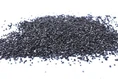


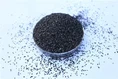
As a supplier of Coal Columnar Activated Carbon, I've witnessed firsthand the remarkable capabilities of this product, especially in the crucial area of water treatment. One of the most pressing challenges in water purification today is the removal of pesticides, which can have severe health and environmental impacts. In this blog, I'll delve into how Coal Columnar Activated Carbon works in the removal of pesticides from water.
Understanding Pesticides in Water
Pesticides are chemicals used to control pests, including insects, weeds, and fungi, in agriculture, forestry, and urban settings. However, these chemicals can find their way into water sources through runoff, leaching, and improper disposal. Once in water, pesticides can persist for long periods and pose significant risks to human health and aquatic ecosystems.


Common pesticides found in water include organophosphates, carbamates, pyrethroids, and herbicides such as atrazine and glyphosate. These chemicals can cause a range of health problems, from acute poisoning to chronic diseases like cancer, neurological disorders, and reproductive issues. In addition, pesticides can harm aquatic life, disrupt food chains, and damage ecosystems.
How Coal Columnar Activated Carbon Works
Coal Columnar Activated Carbon is a highly porous material with a large surface area, typically ranging from 800 to 1500 square meters per gram. This extensive surface area provides numerous adsorption sites for pesticides and other contaminants in water. The adsorption process is the key mechanism by which Coal Columnar Activated Carbon removes pesticides from water.
Adsorption Mechanisms
- Physical Adsorption: Physical adsorption occurs when pesticides are attracted to the surface of the activated carbon through weak van der Waals forces. This type of adsorption is reversible and depends on factors such as the surface area, pore size distribution, and temperature of the activated carbon. Pesticides with larger molecular sizes are more likely to be adsorbed on the external surface of the activated carbon, while smaller molecules can penetrate deeper into the pores.
- Chemical Adsorption: Chemical adsorption involves the formation of chemical bonds between the pesticides and the surface functional groups of the activated carbon. This type of adsorption is stronger and more irreversible than physical adsorption. The surface functional groups on the activated carbon, such as hydroxyl, carboxyl, and carbonyl groups, can react with the pesticides to form stable complexes.
Pore Structure and Pesticide Removal
The pore structure of Coal Columnar Activated Carbon plays a crucial role in the removal of pesticides from water. The pores can be classified into three categories based on their size: micropores (less than 2 nanometers), mesopores (2 - 50 nanometers), and macropores (greater than 50 nanometers).
- Micropores: Micropores are the most important for the adsorption of small pesticide molecules. They provide a high surface area and a strong adsorption force, allowing for efficient removal of pesticides with molecular sizes similar to the pore size.
- Mesopores: Mesopores facilitate the diffusion of larger pesticide molecules into the interior of the activated carbon. They also provide additional adsorption sites for pesticides that cannot fit into the micropores.
- Macropores: Macropores act as transport channels for the pesticides to reach the internal pores of the activated carbon. They help to reduce the diffusion resistance and increase the adsorption rate.
Factors Affecting Pesticide Removal
Several factors can affect the performance of Coal Columnar Activated Carbon in the removal of pesticides from water. These factors include:
Pesticide Properties
- Molecular Size and Structure: Pesticides with larger molecular sizes and more complex structures are generally more difficult to remove than smaller and simpler molecules. The shape and polarity of the pesticide molecule also influence its adsorption behavior.
- Solubility: Pesticides with low solubility in water are more likely to be adsorbed on the activated carbon surface. High solubility can reduce the adsorption efficiency by increasing the competition between the pesticide and water molecules for the adsorption sites.
Activated Carbon Properties
- Surface Area and Pore Structure: As mentioned earlier, the surface area and pore structure of the activated carbon are critical for pesticide removal. Activated carbons with higher surface areas and a well-developed pore structure generally exhibit better adsorption performance.
- Surface Functional Groups: The surface functional groups on the activated carbon can affect the adsorption mechanism and the affinity for different pesticides. For example, activated carbons with more acidic surface functional groups may have a higher affinity for basic pesticides.
Water Quality
- pH: The pH of the water can influence the ionization state of the pesticides and the surface charge of the activated carbon. This can affect the adsorption efficiency and the selectivity of the activated carbon for different pesticides.
- Temperature: Temperature can affect the adsorption rate and the equilibrium adsorption capacity. Generally, higher temperatures increase the adsorption rate but may decrease the equilibrium adsorption capacity due to the increased desorption rate.
Applications of Coal Columnar Activated Carbon in Pesticide Removal
Coal Columnar Activated Carbon is widely used in various water treatment applications for the removal of pesticides. Some of the common applications include:
Drinking Water Treatment
In drinking water treatment plants, Coal Columnar Activated Carbon is often used in granular activated carbon (GAC) filters or powdered activated carbon (PAC) systems. GAC filters are typically used for continuous treatment, while PAC systems are used for emergency treatment or for the removal of specific pesticides.
Industrial Wastewater Treatment
Many industries, such as agriculture, food processing, and chemical manufacturing, generate wastewater containing pesticides. Coal Columnar Activated Carbon can be used in industrial wastewater treatment plants to remove pesticides and other contaminants before the wastewater is discharged into the environment.
Groundwater Remediation
Pesticides can contaminate groundwater through leaching from agricultural fields or improper disposal. Coal Columnar Activated Carbon can be used in groundwater remediation systems, such as pump-and-treat systems or in-situ remediation, to remove pesticides from the contaminated groundwater.
Advantages of Using Coal Columnar Activated Carbon
- High Adsorption Capacity: Coal Columnar Activated Carbon has a high adsorption capacity for a wide range of pesticides, making it an effective solution for water treatment.
- Cost-Effective: Compared to other water treatment technologies, Coal Columnar Activated Carbon is relatively inexpensive and easy to operate.
- Versatility: Coal Columnar Activated Carbon can be used in various water treatment applications and can be easily integrated into existing treatment systems.
- Regenerability: In some cases, Coal Columnar Activated Carbon can be regenerated and reused, reducing the overall cost of water treatment.
Other Related Activated Carbon Products
In addition to Coal Columnar Activated Carbon, we also offer other high-quality activated carbon products, such as Coal Broken Activated Carbon and Liquor Special Activated Carbon. These products have their own unique properties and applications, and can be used in combination with Coal Columnar Activated Carbon to achieve better water treatment results.
Contact Us for Procurement
If you're interested in purchasing Coal Columnar Activated Carbon or any of our other activated carbon products for pesticide removal or other water treatment applications, please don't hesitate to contact us. We have a team of experts who can provide you with detailed information and technical support to help you choose the right product for your specific needs.
References
- Crini, G. (2006). Non-conventional low-cost adsorbents for dye removal: A review. Bioresource Technology, 97(1), 1061-1085.
- Foo, K. Y., & Hameed, B. H. (2010). Insights into the modeling of adsorption isotherm systems. Chemical Engineering Journal, 156(1), 2-10.
- Huang, C. P., & Weber, Jr, W. J. (1970). Kinetics of adsorbate transfer on activated carbon. 1. Single-solute systems. Environmental Science & Technology, 4(10), 898-904.