


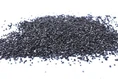

As a supplier of Coconut Shell Water Purification Activated Carbon, I often get queries from clients about whether our product is suitable for purifying river water. This is a crucial question considering the widespread pollution and the need for clean water sources. In this blog, I will explore the characteristics of coconut shell water purification activated carbon and its effectiveness in treating river water.
Understanding Coconut Shell Water Purification Activated Carbon
Coconut shell activated carbon is produced by carbonizing coconut shells under high temperatures and then activating them with steam or chemicals. This process creates a highly porous structure with a large specific surface area, ranging from 800 to 1600 square meters per gram. The porous structure provides numerous adsorption sites, allowing the activated carbon to trap a wide variety of contaminants.
One of the main advantages of coconut shell activated carbon is its high purity. Coconut shells are a natural and renewable resource, and the activated carbon derived from them is relatively free of impurities compared to other types of activated carbon produced from coal or wood. It also has a high hardness and low ash content, which means it can maintain its structure during the purification process and generate less waste.
Contaminants in River Water
River water can be contaminated with various substances, including organic compounds, heavy metals, microorganisms, and suspended solids. Organic compounds such as pesticides, herbicides, and industrial chemicals can pose serious health risks if consumed. Heavy metals like lead, mercury, and cadmium are toxic and can accumulate in the human body over time. Microorganisms such as bacteria, viruses, and protozoa can cause waterborne diseases. Suspended solids can make the water turbid and also provide a surface for the growth of microorganisms.
How Coconut Shell Water Purification Activated Carbon Works for River Water Purification
Adsorption of Organic Compounds
The large surface area and porous structure of coconut shell activated carbon make it an excellent adsorbent for organic compounds. Organic molecules are attracted to the surface of the activated carbon through intermolecular forces such as van der Waals forces and hydrogen bonding. Once adsorbed, the organic compounds are held onto the activated carbon surface, effectively removing them from the water. For example, activated carbon can remove pesticides like atrazine and industrial solvents like benzene from river water.
Removal of Heavy Metals
Although activated carbon has a lower affinity for heavy metals compared to some specialized adsorbents, it can still remove a significant amount of heavy metals from water. Heavy metal ions can be adsorbed onto the surface of the activated carbon through ion - exchange processes and complexation reactions. The surface functional groups on the activated carbon, such as carboxyl and hydroxyl groups, can interact with heavy metal ions and immobilize them.
Microorganism and Suspended Solid Removal
While coconut shell activated carbon is not a primary disinfectant, it can play a role in reducing the number of microorganisms in water. The porous structure can trap some bacteria and protozoa physically. Additionally, by removing organic matter and suspended solids, activated carbon can create an environment that is less favorable for the growth of microorganisms. Suspended solids are also physically filtered out as the water passes through the activated carbon bed.
Advantages of Using Coconut Shell Water Purification Activated Carbon for River Water
- Environmental Friendliness: As mentioned earlier, coconut shells are a renewable resource. Using coconut shell activated carbon for river water purification is a more sustainable option compared to using activated carbon derived from non - renewable sources like coal.
- High Adsorption Efficiency: The high specific surface area and well - developed pore structure result in a high adsorption capacity for a wide range of contaminants in river water.
- Low Cost of Operation: Coconut shell activated carbon is relatively inexpensive compared to some other high - performance water purification technologies. It also requires less maintenance, making it a cost - effective solution for river water treatment.
Limitations and Considerations
However, coconut shell water purification activated carbon also has some limitations. For extremely high - concentration pollutants, the adsorption capacity of the activated carbon may be quickly saturated, requiring frequent replacement. It is also not effective in removing dissolved inorganic salts such as sodium chloride. In addition, the effectiveness of activated carbon can be affected by factors such as water temperature, pH, and flow rate.
Related Products
We also offer other types of coconut shell activated carbon products that may be of interest to you. For example, our Carbon Rod Filter Element Special Activated Carbon is specifically designed for use in carbon rod filter elements, providing enhanced filtration performance. Our Coconut Shell Activated Carbon for Gold Recovery is used in the gold mining industry for the adsorption of gold from process solutions. And our Electricity High Pure Water Special Activated Carbon is suitable for the purification of high - purity water used in the electricity industry.
Conclusion
In general, coconut shell water purification activated carbon is a suitable option for purifying river water. It can effectively remove a variety of contaminants, including organic compounds, heavy metals, microorganisms, and suspended solids. It offers environmental benefits, high adsorption efficiency, and cost - effectiveness. However, it is important to consider its limitations and optimize the purification process according to the specific characteristics of the river water.


If you are interested in our Coconut Shell Water Purification Activated Carbon or any of our related products for river water purification or other applications, please feel free to contact us for a detailed discussion and procurement negotiation. We are committed to providing high - quality products and professional solutions to meet your water purification needs.
References
- "Activated Carbon Adsorption" by Perry's Chemical Engineers' Handbook.
- "Water Quality and Treatment" by American Water Works Association.
- Research papers on the application of coconut shell activated carbon in water treatment from scientific journals such as "Journal of Environmental Science and Health".