



Is air purification activated carbon effective against ozone? That's a question I've been getting a lot lately as a supplier of Air Purification Activated Carbon. And it's a valid one, considering ozone can be a real pain in the neck when it comes to air quality.
First off, let's talk a bit about ozone. Ozone (O₃) is a gas made up of three oxygen atoms. It's not all bad; in the upper atmosphere, it forms the ozone layer that protects us from the sun's harmful UV rays. But at ground level, it's a different story. High levels of ground - level ozone can cause a whole bunch of health problems, like coughing, shortness of breath, and can even worsen asthma and other lung diseases. It's mainly formed through chemical reactions between nitrogen oxides (NOₓ) and volatile organic compounds (VOCs) in the presence of sunlight.
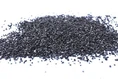
Now, onto activated carbon. Activated carbon is a super - porous material with a huge surface area. This porosity is what makes it so great at adsorbing all sorts of pollutants. When air passes through activated carbon, the pollutants stick to the surface of the carbon pores. It's like a big, microscopic sponge for air pollutants.
So, does it work against ozone? Well, the short answer is yes, but it's a bit more complicated than that. Activated carbon can adsorb ozone to some extent. The porous structure of the carbon provides plenty of sites for ozone molecules to attach to. However, ozone is a highly reactive gas. It can react with the carbon itself, causing a process called oxidation. This oxidation can change the structure of the activated carbon over time, reducing its effectiveness for ozone removal.
One of the factors that affects how well activated carbon works against ozone is the type of activated carbon. There are different kinds, and some are better suited for ozone removal than others. For example, Petrochemical Special Activated Carbon might have a different pore structure and surface chemistry compared to regular air purification activated carbon. This can influence its ability to adsorb and react with ozone.
Another thing to consider is the conditions under which the activated carbon is used. Temperature, humidity, and the concentration of ozone in the air all play a role. Higher temperatures can speed up the oxidation reaction between ozone and the carbon, which means the carbon might lose its effectiveness faster. High humidity can also have an impact. Water vapor in the air can compete with ozone molecules for the adsorption sites on the carbon, reducing its ozone - removal efficiency.
The amount of activated carbon also matters. If you have a small amount of activated carbon in an area with high ozone levels, it's going to get saturated quickly. Saturated means that all the available adsorption sites on the carbon are filled up with pollutants, and it can't adsorb any more. So, for effective ozone removal, you need to make sure you have enough activated carbon for the size of the space and the level of ozone pollution.
In some cases, activated carbon might be combined with other ozone - removal technologies. For example, some air purifiers use a combination of activated carbon filters and UV light. The UV light can break down ozone molecules into oxygen, and the activated carbon can then adsorb any remaining pollutants. This can be a more effective way to deal with ozone in the air.
As a supplier of Air Purification Activated Carbon, I've seen firsthand how important it is to choose the right product for the job. If you're dealing with high ozone levels, you might want to consider a specialized activated carbon that's been treated or formulated to be more resistant to oxidation. We also offer Nutshell Gold Recovery Carbon, which has its own unique properties and applications, although it's not typically used for ozone removal.
If you're in the market for activated carbon to deal with ozone or other air pollutants, it's crucial to do your research. Look at the specifications of the product, like its pore size distribution, surface area, and how it performs under different conditions. And don't be afraid to ask questions. We're here to help you find the best solution for your air - purification needs.
In conclusion, air purification activated carbon can be effective against ozone, but it's not a one - size - fits - all solution. You need to take into account the type of carbon, the environmental conditions, and the amount of carbon you use. If you're serious about improving your indoor air quality and getting rid of ozone, I encourage you to get in touch. We can discuss your specific situation and find the right activated carbon product for you. Whether it's for a small home or a large industrial space, we have the expertise and the products to help you breathe cleaner air.


References
- "Air Quality and Health Effects of Ozone", Environmental Protection Agency
- "Activated Carbon Adsorption: Principles and Applications", Journal of Environmental Science and Technology
- "Ozone Chemistry in the Atmosphere", Atmospheric Chemistry Research Group