


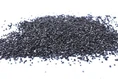


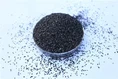
As a seasoned supplier of coconut shell activated carbon, I understand the critical importance of proper storage in maintaining the quality and effectiveness of this remarkable product. Coconut shell activated carbon is renowned for its high porosity, large surface area, and excellent adsorption properties, making it a popular choice for a wide range of applications, including Utility Boiler Raw Water Purification Activated Carbon, Carbon Rod Filter Element Special Activated Carbon, and Coconut Shell Activated Carbon for Gold Recovery. In this blog post, I will share some valuable insights and best practices on how to store coconut shell activated carbon properly to ensure its optimal performance.
Understanding the Characteristics of Coconut Shell Activated Carbon
Before delving into the storage methods, it is essential to understand the unique characteristics of coconut shell activated carbon. This type of activated carbon is made from coconut shells through a process of carbonization and activation, which creates a highly porous structure with a large internal surface area. The porous structure allows the activated carbon to adsorb a wide variety of contaminants, including organic compounds, heavy metals, and odors.
However, the high porosity also makes coconut shell activated carbon susceptible to moisture and other environmental factors. Moisture can cause the activated carbon to lose its adsorption capacity and may even lead to the growth of mold and bacteria. Additionally, exposure to air, heat, and sunlight can also degrade the quality of the activated carbon over time.
Choosing the Right Storage Container
The first step in proper storage is to choose the right container. The container should be made of a material that is impermeable to moisture and air, such as plastic, metal, or glass. Avoid using containers made of porous materials, such as cardboard or paper, as they can allow moisture and air to penetrate the activated carbon.
The container should also be large enough to hold the amount of activated carbon you need to store, with some extra space for expansion. It is recommended to use airtight containers to prevent the entry of moisture and air. If you are storing a large quantity of activated carbon, you may consider using bulk storage containers, such as drums or silos.
Controlling the Storage Environment
In addition to choosing the right container, it is crucial to control the storage environment to ensure the quality of the activated carbon. The ideal storage temperature for coconut shell activated carbon is between 10°C and 30°C (50°F and 86°F). Avoid storing the activated carbon in areas that are exposed to direct sunlight, heat sources, or extreme temperatures.
The storage area should also be dry and well-ventilated. High humidity levels can cause the activated carbon to absorb moisture, which can reduce its adsorption capacity. If the storage area is prone to high humidity, you may consider using a dehumidifier to maintain the relative humidity below 60%.
Protecting the Activated Carbon from Contamination
To prevent contamination, it is important to keep the activated carbon away from sources of pollution, such as chemicals, solvents, and dust. Avoid storing the activated carbon near areas where there is a lot of traffic or where there is a risk of spills or leaks.
If you are handling the activated carbon, make sure to wear appropriate protective equipment, such as gloves and masks, to prevent inhalation or skin contact with the activated carbon. Also, make sure to clean the storage area regularly to remove any dust or debris that may accumulate.
Monitoring the Quality of the Activated Carbon
Even with proper storage, it is still important to monitor the quality of the activated carbon regularly. You can do this by conducting simple tests, such as measuring the moisture content and the adsorption capacity of the activated carbon. If you notice any signs of degradation, such as a decrease in the adsorption capacity or the presence of mold or bacteria, it is recommended to replace the activated carbon.
Storing Activated Carbon During Transportation
If you need to transport the activated carbon, it is important to take extra precautions to ensure its quality. The activated carbon should be packed in airtight containers and protected from moisture and physical damage during transportation. It is also recommended to use a transportation method that provides a stable environment, such as a temperature-controlled truck or container.
Conclusion
Proper storage of coconut shell activated carbon is essential to maintain its quality and effectiveness. By choosing the right storage container, controlling the storage environment, protecting the activated carbon from contamination, and monitoring its quality regularly, you can ensure that your activated carbon remains in optimal condition for a long time.
If you are interested in purchasing high-quality coconut shell activated carbon for your specific application, we invite you to contact us for more information. Our team of experts can provide you with detailed product information and help you choose the right type of activated carbon for your needs. We look forward to the opportunity to work with you and provide you with the best possible solutions for your activated carbon requirements.


References
- "Activated Carbon: Properties and Applications." Environmental Science and Technology.
- "Coconut Shell Activated Carbon: Production, Characterization, and Applications." Journal of Chemical Technology and Biotechnology.
- "Storage and Handling of Activated Carbon." Carbon Products Handbook.