



How does the surface area of nut shell activated carbon affect its adsorption performance?
Hey there! I'm a supplier of nut shell activated carbon, and today I'm super excited to chat with you about how the surface area of this amazing stuff impacts its adsorption performance.
Understanding Nut Shell Activated Carbon
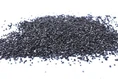
First off, let's quickly go over what nut shell activated carbon is. It's a type of activated carbon made from the shells of nuts like coconut, walnut, and almond. These nut shells are processed in a special way to create a highly porous material. The activation process involves heating the nut shells to high temperatures in the absence of oxygen, which creates a network of tiny pores throughout the carbon.
This porous structure is what makes nut shell activated carbon so great for adsorption. Adsorption is the process where molecules of a substance stick to the surface of another substance. In the case of nut shell activated carbon, it can adsorb all sorts of things, like pollutants in water, harmful gases in the air, and even precious metals in mining operations.
The Role of Surface Area in Adsorption
Now, let's get to the main topic: how surface area affects adsorption performance. Simply put, the larger the surface area of the nut shell activated carbon, the more adsorption sites it has. Think of it like a sponge. A bigger sponge can soak up more water because it has more surface to hold the water molecules. Similarly, activated carbon with a larger surface area can adsorb more of the target substances.
The surface area of nut shell activated carbon is usually measured in square meters per gram (m²/g). High - quality nut shell activated carbon can have a surface area of over 1000 m²/g. That's an incredibly large area when you consider that it's packed into just one gram of the material!
When a substance comes into contact with the activated carbon, its molecules start to attach to the walls of those tiny pores. The more pores there are (which means a larger surface area), the more molecules can be adsorbed. For example, if you're using nut shell activated carbon to purify water, a higher surface area will allow it to remove more impurities like chlorine, heavy metals, and organic compounds.
Different Applications and the Importance of Surface Area
Water Purification
In water purification, the surface area of nut shell activated carbon is crucial. Nutshell Water Purification Activated Carbon is designed to have a large surface area to effectively remove contaminants. The pores in the carbon can trap small particles and dissolved substances. For instance, in a municipal water treatment plant, activated carbon with a high surface area can be used to remove unpleasant tastes and odors caused by chlorine and other chemicals. It can also adsorb harmful substances like pesticides and industrial pollutants.
Air Purification
When it comes to air purification, surface area also plays a vital role. Nut shell activated carbon can adsorb volatile organic compounds (VOCs), which are common indoor air pollutants. These VOCs can come from things like paints, cleaning products, and furniture. A high - surface - area activated carbon can quickly capture these VOCs, improving the air quality in homes, offices, and industrial settings.
Gold Recovery
In the mining industry, Nutshell Gold Recovery Carbon is used to extract gold from ore. The gold ions in the solution are adsorbed onto the surface of the activated carbon. A larger surface area means more gold ions can be captured, increasing the efficiency of the gold recovery process.
Factors Affecting the Surface Area of Nut Shell Activated Carbon
The surface area of nut shell activated carbon isn't fixed; it can be influenced by several factors.
Raw Material
The type of nut shell used matters. Different nuts have different compositions, which can affect the pore structure and surface area after activation. For example, coconut shells often produce activated carbon with a high surface area and a well - defined pore structure.
Activation Process
The activation method and conditions are crucial. There are two main types of activation: physical activation and chemical activation. Physical activation involves heating the nut shells in the presence of an activating gas like steam or carbon dioxide. Chemical activation uses chemicals like phosphoric acid or potassium hydroxide. The choice of activation method, as well as the temperature and time of the process, can all impact the final surface area of the activated carbon.
Measuring and Controlling the Surface Area
To ensure the quality of our nut shell activated carbon, we use advanced techniques to measure the surface area. One common method is the Brunauer - Emmett - Teller (BET) method. This technique measures the amount of gas adsorbed on the surface of the activated carbon at different pressures and uses the data to calculate the surface area.
As a supplier, we have strict control over the production process to achieve the desired surface area. We carefully select the raw materials and optimize the activation conditions. This allows us to provide our customers with nut shell activated carbon that meets their specific adsorption requirements.
Conclusion
In conclusion, the surface area of nut shell activated carbon has a huge impact on its adsorption performance. Whether you're using it for water purification, air purification, or gold recovery, a larger surface area generally means better results.
If you're in the market for high - quality nut shell activated carbon, we've got you covered. We offer a range of products, including Electroplate Special Activated Carbon, Nutshell Gold Recovery Carbon, and Nutshell Water Purification Activated Carbon. Each product is designed to have an optimal surface area for its specific application.


If you're interested in learning more about our products or have any questions about how nut shell activated carbon can work for you, don't hesitate to reach out. We're here to help you find the best solution for your adsorption needs.
References
- "Activated Carbon Adsorption" by Perry's Chemical Engineers' Handbook.
- "Carbon Materials for Advanced Technologies" edited by M.S. Dresselhaus, G. Dresselhaus, and A.J. Franklin.
- Research papers on nut shell activated carbon published in the Journal of Environmental Science and Technology.