



Does Nutshell Water Purification Activated Carbon Remove Radon?
As a supplier of Nutshell Water Purification Activated Carbon, I often receive inquiries from customers about the effectiveness of our product in removing various contaminants from water. One question that comes up quite frequently is whether our nutshell - based activated carbon can remove radon. In this blog post, we will delve into the science behind radon removal and explore the capabilities of our Nutshell Water Purification Activated Carbon.
Understanding Radon
Radon is a radioactive gas that occurs naturally in the environment. It is formed by the radioactive decay of uranium, which is present in small amounts in soil, rock, and water. When radon is released into the air, it can be inhaled, and its decay products can cause damage to the lungs, increasing the risk of lung cancer. In water, radon can also be a concern, especially when it is released into the air during activities such as showering, washing dishes, or doing laundry.
The presence of radon in water is a significant health concern because it can contribute to indoor air pollution. In fact, the U.S. Environmental Protection Agency (EPA) has set a maximum contaminant level goal (MCLG) of zero for radon in drinking water, indicating the potential health risks associated with its presence.
How Activated Carbon Works for Water Purification
Activated carbon is a highly porous material with a large surface area. This unique structure allows it to adsorb a wide range of contaminants from water. Adsorption is a process in which molecules of the contaminant stick to the surface of the activated carbon. The effectiveness of activated carbon in removing a particular contaminant depends on several factors, including the pore size of the carbon, the nature of the contaminant, and the contact time between the water and the carbon.
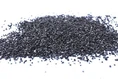
Our Nutshell Water Purification Activated Carbon is made from high - quality nutshells, which are activated through a special process to create a carbon with a well - developed pore structure. The pores in our activated carbon vary in size, allowing it to adsorb different types of contaminants. Smaller pores can trap molecules of small contaminants, while larger pores can accommodate larger molecules.
Can Nutshell Water Purification Activated Carbon Remove Radon?
The ability of activated carbon to remove radon from water is based on its adsorption properties. Radon gas is a relatively small molecule, and the pores in our nutshell - based activated carbon are capable of adsorbing radon to some extent. However, the efficiency of radon removal depends on several factors.
One important factor is the flow rate of the water through the activated carbon filter. If the water flows too quickly through the filter, the radon may not have enough time to be adsorbed onto the carbon surface. Therefore, it is important to ensure that the flow rate is appropriate for the specific application.


Another factor is the concentration of radon in the water. Higher concentrations of radon may require a larger amount of activated carbon or a longer contact time to achieve effective removal. Additionally, the quality of the activated carbon plays a crucial role. Our Nutshell Water Purification Activated Carbon is carefully manufactured to ensure high adsorption capacity, but in cases where the radon levels are extremely high, additional treatment methods may be necessary.
Studies have shown that activated carbon can be effective in reducing radon levels in water. However, it is important to note that activated carbon is not a permanent solution for radon removal. Over time, the activated carbon becomes saturated with radon and other contaminants, and its adsorption capacity decreases. Therefore, regular replacement of the activated carbon filter is essential to maintain its effectiveness.
Other Applications of Nutshell Activated Carbon
In addition to water purification for radon removal, our nutshell - based activated carbon has a wide range of other applications. For example, our Water Purification AG - Activated Carbon is specifically designed for general water purification purposes, removing a variety of contaminants such as chlorine, volatile organic compounds (VOCs), and unpleasant odors and tastes.
Our Nutshell Gold Recovery Carbon is used in the mining industry for the recovery of gold from ore. The high adsorption capacity of our activated carbon makes it an ideal choice for this application, as it can effectively adsorb gold from the ore solution.
Tail Liquid Recycle Activated Carbon is another product in our portfolio. It is used for the treatment and recycling of tail liquids generated in various industrial processes. By adsorbing contaminants from the tail liquids, our activated carbon helps to reduce environmental pollution and conserve resources.
Conclusion
In conclusion, our Nutshell Water Purification Activated Carbon has the potential to remove radon from water, but its effectiveness depends on several factors such as flow rate, radon concentration, and the quality of the carbon. While it can be a useful tool in reducing radon levels in water, regular maintenance and replacement of the filter are necessary to ensure optimal performance.
If you are concerned about radon in your water supply or have other water purification needs, we invite you to contact us for more information. We have a team of experts who can help you determine the best solution for your specific situation. Whether you need a solution for radon removal, general water purification, gold recovery, or tail liquid recycling, our range of nutshell - based activated carbon products can meet your requirements. Reach out to us to start a conversation about your water treatment needs and explore how our products can make a difference.
References
- U.S. Environmental Protection Agency, "Radon in Drinking Water," available at the official EPA publications.
- Scientific studies on the adsorption properties of activated carbon, including research papers on radon removal by activated carbon in peer - reviewed environmental science journals.