




In the realm of water filtration, the choice of filter elements plays a pivotal role in determining the quality of the filtered water. Two popular options that often come under comparison are the carbon rod filter element with special activated carbon and ceramic filters. As a supplier of Carbon Rod Filter Element Special Activated Carbon, I am well - versed in the advantages and characteristics of our product, and in this blog, I will delve into a comprehensive comparison between these two types of filters.
Structure and Composition
Let's start with the structure and composition of these two filter elements. Ceramic filters are typically made from natural clay or other ceramic materials. They are fired at high temperatures to form a porous structure. The pores in ceramic filters can be engineered to have different sizes, which allows them to trap particles of various dimensions. This physical structure acts as a sieve, blocking larger contaminants such as sediment, sand, and some bacteria from passing through.
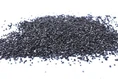
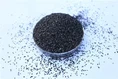
On the other hand, carbon rod filter elements with special activated carbon are composed of activated carbon that has been compressed into a rod shape. The special activated carbon used in these filters is usually derived from high - quality raw materials such as coconut shells. The activation process creates a vast network of tiny pores on the surface of the carbon, providing an extremely large surface area. For example, one gram of activated carbon can have a surface area equivalent to several football fields. This large surface area is crucial for adsorption, which is the primary mechanism by which carbon rod filters remove contaminants.
Contaminant Removal Capabilities
When it comes to removing contaminants, both types of filters have their strengths. Ceramic filters are excellent at removing physical particles. Their porous structure can effectively trap sediment, rust, and large microorganisms. Some ceramic filters are even designed with a very fine pore size that can remove certain bacteria, making them suitable for use in areas where water is contaminated with visible impurities and some harmful pathogens.
However, ceramic filters have limitations when it comes to removing dissolved contaminants. They are not very effective at removing chemicals such as chlorine, pesticides, and heavy metals. These contaminants are often in a dissolved state and can easily pass through the pores of the ceramic filter.
In contrast, carbon rod filter elements with special activated carbon excel at removing a wide range of dissolved contaminants. The large surface area of the activated carbon allows it to adsorb organic compounds, chlorine, and many heavy metals. Chlorine, which is commonly used in water treatment plants to disinfect water, can give water an unpleasant taste and odor. The activated carbon in the carbon rod filter can adsorb chlorine, improving the taste and smell of the water. Additionally, it can also remove pesticides, volatile organic compounds (VOCs), and heavy metals such as lead and mercury. For those who are concerned about the chemical quality of their drinking water, carbon rod filters are a better choice.
Flow Rate
Flow rate is an important consideration, especially in applications where a large volume of water needs to be filtered quickly. Ceramic filters generally have a relatively low flow rate. The small pores in the ceramic structure restrict the flow of water, which means that it may take longer to filter a given volume of water. This can be a drawback in situations where a high - volume water supply is required, such as in large households or commercial settings.
Carbon rod filter elements with special activated carbon, on the other hand, can have a higher flow rate. The compressed carbon rod allows water to pass through more easily while still maintaining its adsorption capabilities. This makes carbon rod filters more suitable for applications where a continuous supply of filtered water is needed.


Maintenance and Lifespan
Maintenance requirements and lifespan are also factors to consider when choosing a filter. Ceramic filters need to be cleaned regularly to maintain their performance. As they trap physical particles, the pores in the ceramic can become clogged over time, reducing the flow rate and filtration efficiency. Cleaning a ceramic filter usually involves scrubbing the surface to remove the accumulated particles. However, over - cleaning can damage the ceramic structure and reduce its lifespan.
The lifespan of a ceramic filter depends on the quality of the water being filtered and the frequency of use. In general, a well - maintained ceramic filter can last for several months to a year.
Carbon rod filter elements with special activated carbon also require maintenance, but in a different way. The activated carbon in the filter will gradually become saturated with adsorbed contaminants over time. When this happens, the filter's ability to remove contaminants will decrease. To maintain the performance of the carbon rod filter, it needs to be replaced periodically. The replacement interval depends on factors such as the water quality and the flow rate. Typically, a carbon rod filter may need to be replaced every 3 - 6 months.
Cost - effectiveness
Cost - effectiveness is a crucial factor for many consumers. Ceramic filters are generally more affordable upfront. They are relatively simple in design and manufacturing, which makes them a cost - effective option for basic water filtration. However, when considering the long - term cost, including the cost of maintenance and replacement, the situation may change.
Carbon rod filter elements with special activated carbon may have a higher initial cost, but they offer better overall value in the long run. Their ability to remove a wider range of contaminants means that they can provide higher - quality filtered water. Additionally, their relatively high flow rate and longer - lasting performance in terms of contaminant removal can offset the initial investment. For example, if you are using a water filter for drinking water, the improved taste and health benefits provided by a carbon rod filter can justify the higher cost.
Applications
The different characteristics of these two types of filters make them suitable for different applications. Ceramic filters are often used in areas where water is mainly contaminated with physical particles and some bacteria. They are commonly used in developing countries or rural areas where access to clean water is limited. They can also be used as pre - filters in more complex water treatment systems to remove large particles before the water passes through other filtration stages.
Carbon rod filter elements with special activated carbon are widely used in residential and commercial water filtration systems. They are commonly found in under - sink water filters, refrigerator water filters, and point - of - use water dispensers. Their ability to improve the taste and quality of drinking water makes them a popular choice for households and businesses that value clean and healthy water.
Conclusion
In conclusion, both ceramic filters and carbon rod filter elements with special activated carbon have their unique features and advantages. Ceramic filters are great for removing physical particles and some bacteria, while carbon rod filters with special activated carbon are superior in removing dissolved contaminants, have a higher flow rate, and offer better long - term value.
If you are looking for a high - quality carbon rod filter element with special activated carbon for your water filtration needs, Carbon Rod Filter Element Special Activated Carbon is the ideal choice. We also offer Grease Bleaching Activated Carbon and Electricity High Pure Water Special Activated Carbon for other specific applications.
If you are interested in our products and would like to discuss your procurement needs, please feel free to reach out to us. We are committed to providing you with the best - quality activated carbon products and excellent customer service.
References
- Crittenden, J. C., Trussell, R. R., Hand, D. W., Howe, K. J., & Tchobanoglous, G. (2012). MWH's Water Treatment: Principles and Design. John Wiley & Sons.
- AWWA (American Water Works Association). (2017). Water Quality and Treatment: A Handbook of Community Water Supplies. McGraw - Hill Education.