




As a supplier of powdered activated carbon, I often receive inquiries from customers about the various applications and capabilities of our products. One question that comes up quite frequently is whether powdered activated carbon can remove fluoride from water. In this blog post, I will delve into this topic, exploring the science behind fluoride removal and the role that powdered activated carbon can play.
Understanding Fluoride in Water
Fluoride is a naturally occurring element found in many water sources. In small amounts, fluoride can be beneficial for dental health, as it helps prevent tooth decay. However, excessive fluoride intake can lead to a condition known as fluorosis, which can cause discoloration and damage to teeth, as well as other health problems. In some regions, the fluoride levels in water can be higher than the recommended limits set by health organizations, making it necessary to remove fluoride from drinking water.
How Powdered Activated Carbon Works
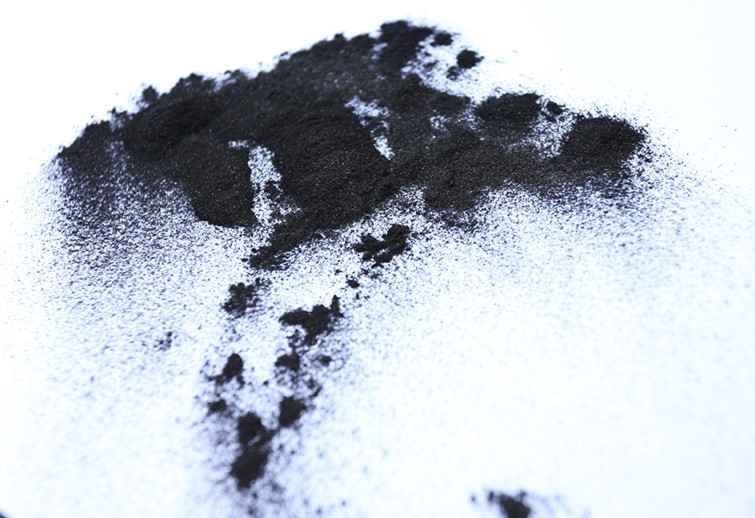
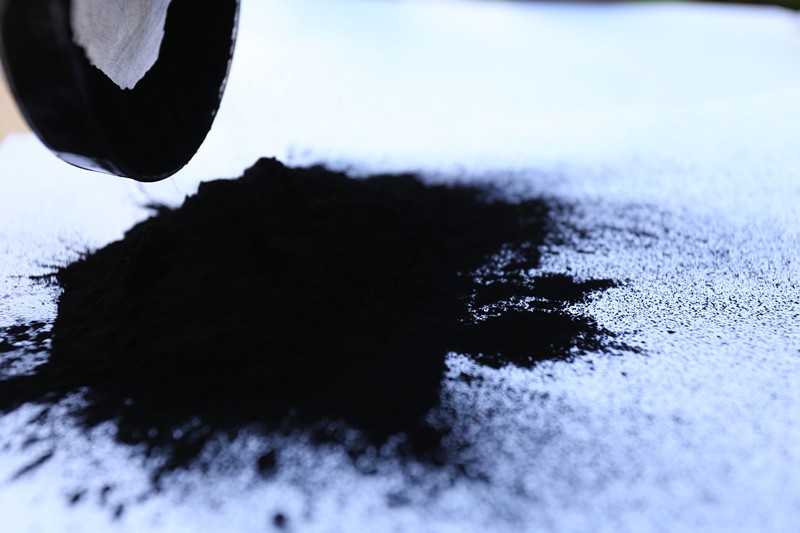
Powdered activated carbon is a highly porous material with a large surface area. This unique structure allows it to adsorb a wide range of contaminants from water, including organic compounds, heavy metals, and some inorganic substances. Adsorption is a process in which molecules of the contaminant adhere to the surface of the activated carbon. The activated carbon acts like a magnet, attracting and holding onto the contaminants, effectively removing them from the water.
The Effectiveness of Powdered Activated Carbon in Fluoride Removal
The ability of powdered activated carbon to remove fluoride from water is somewhat limited. Fluoride is an inorganic ion, and activated carbon is generally more effective at adsorbing organic compounds. However, under certain conditions, powdered activated carbon can still have some impact on fluoride levels.
One factor that affects the effectiveness of fluoride removal is the type of activated carbon used. Wood Powdered Activated Carbon and Coal-Based Powdered Activated Carbon have different properties and surface chemistries, which can influence their adsorption capacity for fluoride. Wood-based activated carbon typically has a higher surface area and a more porous structure, which may allow for better adsorption in some cases.
Another important factor is the water chemistry. The pH of the water plays a crucial role in fluoride adsorption. Activated carbon generally performs better at lower pH levels. In addition, the presence of other ions in the water can also affect the adsorption process. For example, the presence of competing ions such as chloride, sulfate, and carbonate can reduce the effectiveness of fluoride removal by occupying the adsorption sites on the activated carbon.
Enhancing Fluoride Removal with Powdered Activated Carbon
To improve the fluoride removal efficiency of powdered activated carbon, several methods can be employed. One approach is to modify the surface of the activated carbon to increase its affinity for fluoride. This can be done through chemical treatments or by impregnating the activated carbon with specific metals or compounds that have a high affinity for fluoride.
Another method is to use powdered activated carbon in combination with other treatment processes. For example, it can be used in conjunction with ion exchange resins or membrane filtration technologies. These combined processes can provide a more comprehensive and effective solution for fluoride removal.
Case Studies and Research Findings
Numerous studies have been conducted to evaluate the effectiveness of powdered activated carbon in fluoride removal. While the results vary depending on the specific conditions and materials used, some studies have shown that powdered activated carbon can achieve a certain degree of fluoride removal.
For example, a study published in the Journal of Environmental Science and Health investigated the use of activated carbon derived from coconut shells for fluoride removal. The researchers found that under optimal conditions, the activated carbon was able to remove up to 60% of the fluoride from the water. Another study explored the use of iron-impregnated activated carbon for fluoride removal and reported even higher removal efficiencies.
Conclusion
In conclusion, while powdered activated carbon may not be the most effective standalone solution for fluoride removal, it can still play a role in reducing fluoride levels in water, especially when used in combination with other treatment methods. The effectiveness of fluoride removal depends on several factors, including the type of activated carbon, water chemistry, and treatment conditions.
As a supplier of powdered activated carbon, I am committed to providing high-quality products and technical support to our customers. If you are interested in using powdered activated carbon for fluoride removal or other water treatment applications, I encourage you to contact us for more information. Our team of experts can help you select the most suitable product and develop a customized treatment solution based on your specific needs.
References
- Journal of Environmental Science and Health. (Year). Study on fluoride removal using coconut shell activated carbon.
- Another relevant research study. (Year). Iron-impregnated activated carbon for fluoride removal.