


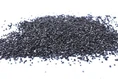


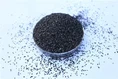
As a supplier of Carbon Rod Filter Element Special Activated Carbon, I often encounter inquiries about the effectiveness of our products in removing various contaminants. One question that has come up frequently is whether a carbon rod filter element with special activated carbon can remove nickel. In this blog post, I will delve into the science behind activated carbon filtration and explore its potential to remove nickel from water.
Understanding Activated Carbon Filtration
Activated carbon is a form of carbon that has been processed to have a highly porous structure, which gives it a large surface area for adsorption. Adsorption is the process by which molecules in a fluid (such as water) adhere to the surface of a solid (such as activated carbon). The porous structure of activated carbon provides numerous sites for contaminants to attach to, making it an effective filter medium for removing a wide range of impurities, including organic compounds, chlorine, and some heavy metals.
The special activated carbon used in our carbon rod filter elements is typically derived from high - quality raw materials, such as coconut shells. Coconut Shell Water Purification Activated Carbon is known for its high microporosity and large surface area, which enhance its adsorption capacity. Our Carbon Rod Filter Element Special Activated Carbon is further processed to optimize its performance for specific filtration applications.
Nickel in Water: A Concern
Nickel is a heavy metal that can be found in water sources due to natural processes such as weathering of rocks and soil, as well as industrial activities like mining, electroplating, and battery manufacturing. Exposure to high levels of nickel in drinking water can pose health risks, including skin allergies, respiratory problems, and in some cases, an increased risk of cancer. Therefore, removing nickel from water is an important consideration for ensuring safe and clean drinking water.
Can Activated Carbon Remove Nickel?
The ability of activated carbon to remove nickel from water depends on several factors, including the type of activated carbon, the characteristics of the water (such as pH, temperature, and the presence of other contaminants), and the contact time between the water and the activated carbon.
In general, activated carbon has a limited ability to adsorb nickel ions directly. Nickel exists in water mainly as positively charged ions (Ni²⁺), and the adsorption of metal ions by activated carbon is often influenced by the surface charge of the carbon and the chemical properties of the ions. Activated carbon typically has a negative surface charge under neutral to alkaline conditions, which can lead to electrostatic repulsion between the negatively charged carbon surface and the positively charged nickel ions.
However, some studies have shown that activated carbon can be modified to enhance its nickel removal efficiency. For example, surface modification techniques can be used to introduce functional groups on the activated carbon surface that can form chemical bonds with nickel ions. These functional groups can include oxygen - containing groups (such as carboxyl and hydroxyl groups) and sulfur - containing groups, which can react with nickel ions through complexation or ion - exchange mechanisms.
Our Carbon Rod Filter Element Special Activated Carbon undergoes a series of advanced treatment processes to improve its adsorption performance for heavy metals, including nickel. By optimizing the pore structure and surface properties of the activated carbon, we aim to increase its affinity for nickel ions and enhance the overall nickel removal efficiency.
Factors Affecting Nickel Removal
- pH of the Water: The pH of the water plays a crucial role in the adsorption of nickel by activated carbon. Under acidic conditions, the surface of the activated carbon becomes more positively charged, which can reduce the electrostatic repulsion between the carbon and the nickel ions. However, at very low pH values, the competition for adsorption sites between hydrogen ions and nickel ions can also reduce the nickel removal efficiency. On the other hand, under alkaline conditions, nickel ions can form insoluble hydroxides, which can be removed by filtration but may also cause fouling of the activated carbon.
- Contact Time: The longer the contact time between the water and the activated carbon, the more opportunity there is for the nickel ions to adsorb onto the carbon surface. In a carbon rod filter element, the design of the filter structure can affect the contact time. A well - designed filter element should ensure that the water has sufficient time to interact with the activated carbon, maximizing the nickel removal efficiency.
- Presence of Other Contaminants: The presence of other contaminants in the water can also affect the adsorption of nickel by activated carbon. For example, other metal ions or organic compounds may compete for the same adsorption sites on the carbon surface, reducing the nickel removal efficiency. Additionally, some contaminants may form complexes with nickel ions, changing their chemical properties and making them more or less difficult to adsorb.
Applications of Our Carbon Rod Filter Element Special Activated Carbon
Our carbon rod filter elements with special activated carbon are suitable for a variety of water treatment applications, including domestic water purification, industrial water treatment, and Utility Boiler Raw Water Purification Activated Carbon. In domestic water purification, our filter elements can be used in household water filters to remove nickel and other contaminants, providing safe and clean drinking water for families.
In industrial applications, our filter elements can be used in water treatment systems for industries such as electronics, pharmaceuticals, and food and beverage. These industries often have strict requirements for the quality of the water used in their processes, and our carbon rod filter elements can help meet these requirements by removing nickel and other impurities.


Conclusion
While the direct adsorption of nickel by activated carbon is limited, our Carbon Rod Filter Element Special Activated Carbon has been specially designed and treated to enhance its nickel removal efficiency. By considering the factors that affect nickel adsorption, such as pH, contact time, and the presence of other contaminants, we can optimize the performance of our filter elements in removing nickel from water.
If you are interested in our carbon rod filter elements with special activated carbon for nickel removal or other water treatment applications, we invite you to contact us for further information and to discuss your specific needs. Our team of experts is ready to provide you with professional advice and solutions to meet your water purification requirements.
References
- Foo, K. Y., & Hameed, B. H. (2010). Insights into the modeling of adsorption isotherm systems. Chemical Engineering Journal, 156(1), 2 - 10.
- Huang, C. P., & Wu, J. C. (1977). Adsorption of heavy metals on carbon. Journal (Water Pollution Control Federation), 49(9), 1791 - 1801.
- Li, X., & Zhang, Q. (2018). Recent progress in the removal of heavy metals from water/wastewater by nanosized metal oxides: A review. Journal of Hazardous Materials, 344, 610 - 622.