




Can coconut shell activated carbon be used for water purification?
As a dedicated supplier of coconut shell activated carbon, I often get asked whether our product can be effectively used for water purification. The answer is a resounding yes, and in this blog post, I'll delve into the science behind it, explore its applications, and highlight why coconut shell activated carbon stands out as a top choice for water treatment.
The Science of Coconut Shell Activated Carbon in Water Purification
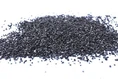
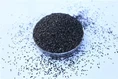
Coconut shell activated carbon is produced by heating coconut shells to high temperatures in a controlled environment, a process known as activation. This creates a highly porous structure with a large surface area, typically ranging from 900 to 1600 square meters per gram. These tiny pores act as traps for contaminants, allowing the activated carbon to adsorb a wide variety of impurities from water.
Adsorption is the key mechanism at play here. Unlike absorption, where a substance is taken up into the bulk of another material, adsorption involves the adhesion of molecules to the surface of the adsorbent. In the case of coconut shell activated carbon, contaminants such as organic compounds, chlorine, pesticides, and heavy metals adhere to the surface of the carbon pores. This effectively removes these harmful substances from the water, improving its quality and safety for consumption.
Applications of Coconut Shell Activated Carbon in Water Purification
Drinking Water Treatment
One of the most common applications of coconut shell activated carbon is in household water filters. Many countertop and under - sink water filtration systems use activated carbon cartridges to remove unpleasant tastes, odors, and contaminants from tap water. The high adsorption capacity of coconut shell activated carbon makes it particularly effective at removing chlorine, which is often added to municipal water supplies as a disinfectant but can leave an unpleasant taste and odor. By using a filter with coconut shell activated carbon, you can enjoy clean, great - tasting drinking water right from your faucet.
For more information on coconut shell activated carbon for drinking water purification, you can visit Coconut Shell Water Purification Activated Carbon.
Industrial Water Treatment
In industrial settings, coconut shell activated carbon plays a crucial role in water purification. For example, in the utility boiler industry, raw water needs to be purified before it can be used in boilers. Impurities in the water can cause scaling and corrosion in the boiler, reducing its efficiency and lifespan. Utility Boiler Raw Water Purification Activated Carbon is specifically designed to remove contaminants such as organic matter, heavy metals, and chlorine from the raw water, ensuring that the boiler operates smoothly and efficiently.
Wastewater Treatment
Coconut shell activated carbon is also used in wastewater treatment plants. Wastewater often contains a complex mixture of organic and inorganic pollutants. Activated carbon can be used as a polishing step in the treatment process to remove residual contaminants after primary and secondary treatment. It can effectively remove color, odor, and trace amounts of organic compounds from the wastewater, making it suitable for reuse or safe discharge into the environment.
Advantages of Coconut Shell Activated Carbon for Water Purification
High Purity and Adsorption Capacity
Coconut shells are a natural and renewable resource, and the activated carbon produced from them is of high purity. The unique pore structure of coconut shell activated carbon provides a large surface area for adsorption, allowing it to remove a wide range of contaminants effectively. Compared to other types of activated carbon, such as coal - based or wood - based activated carbon, coconut shell activated carbon often has a higher micropore volume, which is particularly effective at adsorbing small - molecular - weight contaminants.
Environmental Friendliness
As a renewable resource, coconut shells are an environmentally friendly alternative to other raw materials used in activated carbon production. Using coconut shell activated carbon helps reduce the demand for non - renewable resources such as coal. Additionally, the production process of coconut shell activated carbon can be optimized to minimize environmental impact, making it a sustainable choice for water purification.
Low Ash Content
Coconut shell activated carbon typically has a low ash content compared to other types of activated carbon. This means that there is less inorganic material in the carbon, which reduces the risk of introducing additional contaminants into the water during the purification process. A low ash content also results in a longer service life for the activated carbon, as there is less clogging of the pores by inorganic matter.
Case Studies
Let's take a look at a few real - world examples of how coconut shell activated carbon has been successfully used for water purification.
In a small community in a developing country, a local water treatment plant was facing challenges with high levels of organic contaminants and chlorine in the raw water. After installing a filtration system with coconut shell activated carbon, the water quality improved significantly. The unpleasant taste and odor were removed, and the levels of organic contaminants were reduced to within acceptable limits. This not only improved the health and well - being of the community members but also increased their confidence in the local water supply.
In an industrial setting, a food processing company was using a large amount of water in its production process. The raw water contained high levels of heavy metals and organic compounds, which were affecting the quality of the final product. By implementing a water purification system with coconut shell activated carbon, the company was able to remove these contaminants effectively. This resulted in a higher - quality product and reduced the risk of product recalls due to water - related contamination.


Other Uses of Coconut Shell Activated Carbon
Apart from water purification, coconut shell activated carbon has other applications as well. For example, in the food industry, it is used as Grease Bleaching Activated Carbon to remove color and impurities from edible oils. The high adsorption capacity of coconut shell activated carbon makes it an ideal choice for this application, as it can effectively remove pigments and other unwanted substances from the oils without affecting their nutritional value.
Conclusion
In conclusion, coconut shell activated carbon is a highly effective and versatile material for water purification. Its unique pore structure, high adsorption capacity, environmental friendliness, and low ash content make it a top choice for both household and industrial water treatment applications. Whether you are looking to improve the quality of your drinking water or purify water for industrial processes, coconut shell activated carbon can provide a reliable solution.
If you are interested in learning more about our coconut shell activated carbon products or would like to discuss your specific water purification needs, we invite you to reach out to us. Our team of experts is ready to assist you in finding the best solution for your water treatment requirements.
References
- "Activated Carbon: Surface Chemistry, Adsorption Kinetics, and Applications" by A. B. Fuertes and M. Sevilla
- "Water Treatment Unit Processes: Physical and Chemical" by G. Tchobanoglous, F. L. Burton, and H. D. Stensel
- "The Science and Technology of Activated Carbon" edited by L. R. Radovic