


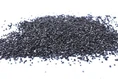


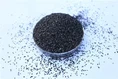
In the realm of water purification, the question of whether a carbon rod filter element with special activated carbon can remove chloramines is of significant importance. As a supplier of Carbon Rod Filter Element Special Activated Carbon, I have witnessed firsthand the growing demand for effective water treatment solutions. Chloramines, a combination of chlorine and ammonia, are commonly used as disinfectants in municipal water supplies. While they serve the purpose of killing harmful bacteria and viruses, their presence in drinking water can have potential health implications and an unpleasant taste and odor.
Understanding Chloramines in Water
Chloramines are formed when chlorine reacts with ammonia in water. They are used as an alternative to free chlorine because they are more stable and can provide a longer - lasting disinfectant residual in the water distribution system. However, chloramines can cause several issues. They can react with organic matter in water to form disinfection by - products (DBPs), some of which are suspected carcinogens. Additionally, chloramines can cause skin and eye irritation, and they can have a negative impact on the taste and smell of water, making it less appealing for consumption.
How Activated Carbon Works
Activated carbon is a highly porous material with a large surface area. This porosity allows it to adsorb a wide range of contaminants from water. The adsorption process occurs when molecules of the contaminant adhere to the surface of the activated carbon. The effectiveness of activated carbon in removing contaminants depends on several factors, including the pore size distribution, surface area, and the chemical properties of the contaminant.
Special activated carbon used in carbon rod filter elements is designed to have specific characteristics that enhance its adsorption capacity. For example, it may have a higher surface area or a more optimized pore size distribution for targeting specific contaminants like chloramines.
The Removal of Chloramines by Carbon Rod Filter Elements with Special Activated Carbon
Research has shown that carbon rod filter elements with special activated carbon can be effective in removing chloramines from water. The porous structure of the activated carbon provides numerous sites for the chloramine molecules to attach to. The adsorption process is influenced by the contact time between the water and the activated carbon, the concentration of chloramines in the water, and the quality of the activated carbon.
When water passes through a carbon rod filter element, the chloramine molecules diffuse into the pores of the activated carbon. The carbon surface has a high affinity for chloramines, and the molecules are held in place through physical and chemical forces. The special activated carbon used in these filter elements is often treated or modified to increase its reactivity with chloramines. For instance, some activated carbons may be impregnated with certain chemicals that enhance the breakdown of chloramines into less harmful substances.
In addition to adsorption, the activated carbon can also catalyze the decomposition of chloramines. The carbon surface can act as a catalyst, facilitating the chemical reaction that breaks down chloramines into ammonia and chlorine. The ammonia can then be further removed through other water treatment processes, while the chlorine can be adsorbed by the activated carbon or removed through subsequent filtration steps.
Factors Affecting the Removal Efficiency
Several factors can affect the efficiency of a carbon rod filter element with special activated carbon in removing chloramines. The flow rate of water through the filter is a crucial factor. If the flow rate is too high, the contact time between the water and the activated carbon is reduced, and the chloramine molecules may not have enough time to be fully adsorbed or decomposed. On the other hand, if the flow rate is too low, it may result in a slow water supply, which can be inconvenient for users.
The quality and quantity of the activated carbon in the filter element also play a significant role. A higher - quality activated carbon with a larger surface area and more optimized pore structure will generally have a higher adsorption capacity for chloramines. The amount of activated carbon in the filter element determines the overall capacity of the filter to remove chloramines over time. As the activated carbon becomes saturated with chloramines, its removal efficiency will decrease, and the filter element will need to be replaced.
The initial concentration of chloramines in the water is another important factor. Higher concentrations of chloramines will require more activated carbon to achieve effective removal. In some cases, pre - treatment of the water may be necessary to reduce the chloramine concentration before it enters the carbon rod filter element.
Comparison with Other Water Treatment Methods
There are other methods available for removing chloramines from water, such as reverse osmosis and ion exchange. Reverse osmosis is a process that uses a semi - permeable membrane to remove a wide range of contaminants, including chloramines. While reverse osmosis is very effective in removing chloramines, it is a more complex and expensive technology compared to using a carbon rod filter element.
Ion exchange is another method that can be used to remove chloramines. It involves the exchange of ions in the water with ions on a resin bed. However, ion exchange resins may not be as effective in removing chloramines as activated carbon, especially when it comes to breaking down the chloramine molecules.


Carbon rod filter elements with special activated carbon offer a cost - effective and relatively simple solution for removing chloramines from water. They are easy to install and maintain, and they can be used in a variety of water treatment applications, from household water filters to industrial water purification systems.
Our Carbon Rod Filter Element Special Activated Carbon
As a supplier of Carbon Rod Filter Element Special Activated Carbon, we are committed to providing high - quality products that meet the needs of our customers. Our special activated carbon is made from high - quality raw materials, such as Coconut Shell Water Purification Activated Carbon, which is known for its excellent adsorption properties.
We use advanced manufacturing processes to ensure that our activated carbon has the optimal pore size distribution and surface area for removing chloramines. Our carbon rod filter elements are designed to provide a long service life and high - efficiency removal of chloramines. We also offer Electricity High Pure Water Special Activated Carbon for applications that require even higher levels of water purity.
Conclusion
In conclusion, carbon rod filter elements with special activated carbon can be an effective solution for removing chloramines from water. They offer a practical and cost - effective way to improve the quality of drinking water by reducing the concentration of chloramines and their associated negative effects. However, it is important to consider the factors that affect the removal efficiency, such as flow rate, activated carbon quality, and chloramine concentration.
If you are interested in purchasing our Carbon Rod Filter Element Special Activated Carbon or have any questions about its application in removing chloramines, please feel free to contact us for further discussion and procurement negotiation. We are ready to provide you with the best solutions for your water purification needs.
References
- AWWA (American Water Works Association). "Water Quality and Treatment: A Handbook of Community Water Supplies."
- Crittenden, John C., et al. "Municipal Water Treatment Processes." John Wiley & Sons, 2012.
- USEPA (United States Environmental Protection Agency). "Drinking Water Contaminants and Their Health Effects."