


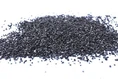


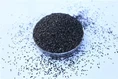
As a supplier of Electroplate Special Activated Carbon, I've been frequently asked whether our product can effectively remove heavy metals in electroplating processes. This question is not only crucial for environmental protection but also for the sustainable development of the electroplating industry. In this blog, I'll delve into the science behind electroplate special activated carbon and its potential in heavy metal removal.
The Electroplating Process and Heavy Metal Pollution
Electroplating is a process that uses an electric current to reduce dissolved metal cations so that they form a thin coherent metal coating on an electrode. This technique is widely used in various industries, including automotive, electronics, and jewelry, to enhance the appearance, durability, and corrosion resistance of products. However, electroplating also generates a significant amount of wastewater containing heavy metals such as chromium, nickel, copper, and zinc. These heavy metals are highly toxic and can cause serious environmental and health problems if not properly treated.
How Activated Carbon Works
Activated carbon is a form of carbon processed to have small, low-volume pores that increase the surface area available for adsorption or chemical reactions. The activation process involves heating carbonaceous materials, such as coconut shells, wood, or coal, in the presence of an activating agent, such as steam or chemicals. This creates a highly porous structure with a large internal surface area, typically ranging from 500 to 1500 square meters per gram.
The adsorption mechanism of activated carbon is based on the physical and chemical interactions between the adsorbate (heavy metal ions) and the adsorbent (activated carbon). Physical adsorption occurs due to the van der Waals forces between the adsorbate molecules and the surface of the activated carbon. Chemical adsorption, on the other hand, involves the formation of chemical bonds between the adsorbate and the functional groups on the surface of the activated carbon.
Electroplate Special Activated Carbon: A Tailored Solution
Electroplate Special Activated Carbon is specifically designed to meet the unique requirements of the electroplating industry. It is produced using high-quality raw materials and advanced manufacturing processes to ensure high adsorption capacity, excellent mechanical strength, and long service life.
One of the key features of Electroplate Special Activated Carbon is its high surface area and well-developed pore structure. This allows it to effectively adsorb heavy metal ions from electroplating wastewater. The pore size distribution of the activated carbon can be tailored to target specific heavy metal ions, ensuring maximum adsorption efficiency.
In addition to its high adsorption capacity, Electroplate Special Activated Carbon also has excellent chemical stability and resistance to oxidation. This makes it suitable for use in harsh electroplating environments, where it may be exposed to strong acids, alkalis, and oxidizing agents.


Case Studies: Real-World Applications
To illustrate the effectiveness of Electroplate Special Activated Carbon in heavy metal removal, let's take a look at some real-world case studies.
In a large electroplating plant, the wastewater contained high concentrations of chromium and nickel. The plant installed a wastewater treatment system using Electroplate Special Activated Carbon. After treatment, the concentrations of chromium and nickel in the wastewater were significantly reduced, meeting the national environmental standards. The plant was able to reuse the treated water in the electroplating process, reducing water consumption and wastewater discharge.
In another case, a small jewelry electroplating workshop was facing challenges in complying with environmental regulations due to the high levels of heavy metals in its wastewater. The workshop decided to try Electroplate Special Activated Carbon. After a short period of trial, the results were impressive. The heavy metal concentrations in the wastewater were reduced to acceptable levels, and the workshop was able to continue its operations without any environmental concerns.
Comparison with Other Treatment Methods
There are several other methods available for heavy metal removal in electroplating wastewater, including chemical precipitation, ion exchange, and membrane filtration. While these methods have their own advantages and disadvantages, Electroplate Special Activated Carbon offers several unique benefits.
Compared to chemical precipitation, Electroplate Special Activated Carbon does not generate large amounts of sludge, which can be difficult and costly to dispose of. It also does not require the addition of large amounts of chemicals, which can have a negative impact on the environment.
Ion exchange is another effective method for heavy metal removal, but it requires frequent regeneration and replacement of the ion exchange resin, which can be expensive. Electroplate Special Activated Carbon, on the other hand, has a long service life and can be easily regenerated, reducing the overall cost of treatment.
Membrane filtration is a popular method for water purification, but it can be easily fouled by suspended solids and organic matter in the electroplating wastewater. Electroplate Special Activated Carbon can be used as a pre-treatment step to remove these contaminants, protecting the membrane and extending its service life.
Conclusion and Call to Action
In conclusion, Electroplate Special Activated Carbon is a highly effective and sustainable solution for heavy metal removal in electroplating processes. Its high adsorption capacity, excellent chemical stability, and long service life make it an ideal choice for the electroplating industry.
If you're an electroplating manufacturer looking for a reliable and cost-effective solution for heavy metal removal, I encourage you to consider Electroplate Special Activated Carbon. Our company offers high-quality Electroplate Special Activated Carbon products that have been proven to meet the strictest environmental standards. To learn more about our products and services, please visit Electroplate Special Activated Carbon.
We also offer other types of activated carbon products, such as Petrochemical Special Activated Carbon and Nutshell Water Purification Activated Carbon, which are suitable for a wide range of applications.
If you have any questions or would like to discuss your specific requirements, please feel free to contact us. We look forward to working with you to achieve your environmental and business goals.
References
- Crini, G. (2006). Non-conventional low-cost adsorbents for dye removal: A review. Bioresource Technology, 97(1), 106-118.
- Fu, F., & Wang, Q. (2011). Removal of heavy metal ions from wastewaters: A review. Journal of Environmental Management, 92(3), 407-418.
- Srivastava, V. C., Bhattacharyya, K. G., & Pal, S. (2006). Adsorption of heavy metals on conventional and nano size materials for wastewater treatment purposes: A review. Advances in Colloid and Interface Science, 128-130, 31-41.