


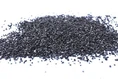

Hey there! As a supplier of Coal Columnar Activated Carbon, I often get asked, "What is the specific surface area of coal columnar activated carbon?" That's a great question, and today I'm gonna break it down for you.


First off, let's talk a bit about what activated carbon is. Activated carbon is a porous material that has been processed to have a huge surface area. This large surface area allows it to adsorb a whole bunch of different substances, making it super useful in a ton of applications, like water purification, air filtration, and even in the food and beverage industry.
Now, coal columnar activated carbon is a type of activated carbon that's made from coal. It's shaped into columns, which gives it some unique properties compared to other forms of activated carbon, like Coal Broken Activated Carbon.
The specific surface area of coal columnar activated carbon refers to the total area of the internal pores and surfaces within a given mass of the carbon. It's usually measured in square meters per gram (m²/g). This measurement is crucial because the larger the specific surface area, the more adsorption sites there are, and the better the carbon is at removing impurities.
Typically, the specific surface area of coal columnar activated carbon can range anywhere from around 500 m²/g to 1500 m²/g. But it can vary depending on a few factors. One of the main factors is the raw coal used. Different types of coal have different compositions and structures, which can affect how well they can be activated to create a large surface area.
The activation process also plays a huge role. There are two main methods of activation: physical activation and chemical activation. Physical activation involves heating the coal in the presence of an oxidizing gas, like steam or carbon dioxide. This process burns off some of the material, creating pores and increasing the surface area. Chemical activation, on the other hand, uses chemicals to react with the coal and create a more porous structure. Chemical activation often results in a higher specific surface area compared to physical activation.
Another factor that can impact the specific surface area is the size of the columns. Smaller column sizes generally have a larger external surface area, which can contribute to the overall specific surface area. However, if the columns are too small, they might pack together too tightly, reducing the internal pore accessibility and thus the effective surface area for adsorption.
So, why does the specific surface area matter? Well, as I mentioned earlier, a larger surface area means more adsorption sites. In water purification, for example, coal columnar activated carbon with a high specific surface area can adsorb more contaminants, like heavy metals, organic compounds, and chlorine. This results in cleaner, safer water.
In air filtration systems, the high specific surface area allows the carbon to capture more pollutants, such as volatile organic compounds (VOCs), odors, and particulate matter. This helps to improve indoor air quality and reduce the risk of health problems associated with breathing in polluted air.
In the food and beverage industry, Liquor Special Activated Carbon with a suitable specific surface area can be used to remove impurities and off-flavors from drinks, ensuring a better taste and quality.
When choosing coal columnar activated carbon for your application, it's important to consider the specific surface area, but it's not the only thing. You also need to think about other properties like pore size distribution, bulk density, and hardness. These properties can all affect how well the carbon performs in different situations.
For instance, if you're dealing with larger molecules, you'll want a carbon with larger pores. If the activated carbon needs to be used in a system where it'll be subject to high pressure or mechanical stress, you'll need a harder carbon to prevent it from breaking down.
As a supplier of Coal Columnar Activated Carbon, I can help you find the right product for your specific needs. Whether you're in the water treatment business, running an air purification system, or working in the food and beverage industry, I've got a range of activated carbons with different specific surface areas and other properties to meet your requirements.
If you're interested in purchasing coal columnar activated carbon or just want to learn more about it, don't hesitate to reach out. We can discuss your application in detail and figure out the best solution for you. You can always contact us to start a conversation about your procurement needs.
References
- Handbook of Activated Carbon Technology, by Marsh and Reinoso
- Activated Carbon: Surface Chemistry, Adsorption and Catalysis, by Bansal and Goyal
- Journal of Environmental Science and Health, Part A: Toxic/Hazardous Substances and Environmental Engineering