


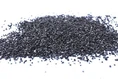


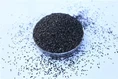
Hey there! As a supplier of Electroplate Special Activated Carbon, I often get asked about the selectivity of this amazing product for different pollutants. So, let's dive right in and explore what makes our Electroplate Special Activated Carbon so special when it comes to targeting various contaminants.
First off, what exactly is Electroplate Special Activated Carbon? Well, it's a high - performance carbon product designed specifically for the electroplating industry. You can find more details about it on our website Electroplate Special Activated Carbon. This type of activated carbon has a unique pore structure and surface chemistry that gives it the ability to selectively adsorb different pollutants.
One of the most common pollutants in electroplating processes is heavy metals. Metals like chromium, nickel, copper, and zinc are often present in electroplating solutions. Our Electroplate Special Activated Carbon has a high affinity for these heavy metals. The reason behind this selectivity lies in the surface functional groups of the carbon. These functional groups can form chemical bonds with the heavy metal ions, effectively trapping them within the pores of the carbon.
For example, chromium exists in different oxidation states in electroplating solutions, mainly Cr(III) and Cr(VI). Cr(VI) is highly toxic and needs to be removed from the solution. Our activated carbon can selectively adsorb Cr(VI) due to the electrostatic interactions between the negatively charged surface of the carbon and the positively charged Cr(VI) ions. Once adsorbed, the Cr(VI) can be further reduced to the less toxic Cr(III) on the carbon surface.
Another important aspect of selectivity is the ability to adsorb organic pollutants. In electroplating, organic additives are often used to improve the quality of the plating. However, these organic compounds can build up in the solution over time and affect the plating process. Our Electroplate Special Activated Carbon can selectively adsorb these organic pollutants based on their molecular size and polarity.
The pore size distribution of the activated carbon plays a crucial role here. We've engineered our carbon to have a range of pore sizes, from micropores to mesopores. Smaller organic molecules can enter the micropores, while larger ones are adsorbed in the mesopores. The polarity of the organic molecules also matters. Polar organic compounds are more likely to be adsorbed on the polar surface sites of the carbon, while non - polar compounds can be adsorbed through van der Waals forces.
Let's talk about the difference between our Electroplate Special Activated Carbon and other types of activated carbon. For instance, Tail Liquid Recycle Activated Carbon is mainly used for recycling tail liquids. While it also has adsorption capabilities, its selectivity is more focused on the specific pollutants present in tail liquids. On the other hand, Nutshell Water Purification Activated Carbon is designed for general water purification purposes and may not have the same level of selectivity for electroplating - specific pollutants.
The selectivity of our Electroplate Special Activated Carbon also depends on the operating conditions. Temperature, pH, and the concentration of pollutants in the solution can all affect the adsorption process. For example, at a lower pH, the surface of the carbon becomes more positively charged, which can enhance the adsorption of anionic pollutants. Higher temperatures can increase the kinetic energy of the pollutant molecules, making them more likely to enter the pores of the carbon, but it can also desorb some of the already adsorbed pollutants.
We've conducted numerous tests to optimize the selectivity of our activated carbon. In a series of experiments, we compared the adsorption performance of our carbon against different pollutants under various conditions. The results showed that our Electroplate Special Activated Carbon had a significantly higher adsorption capacity for electroplating - related pollutants compared to other commercially available carbons.
One of the challenges in the electroplating industry is the presence of multiple pollutants in the same solution. Our activated carbon is designed to handle this complex situation. It can selectively adsorb different pollutants simultaneously, maintaining a high level of purification efficiency. This is a huge advantage for electroplating companies as they don't have to use multiple treatment methods for different pollutants.
In addition to its selectivity, our Electroplate Special Activated Carbon is also highly regenerable. After adsorption, the carbon can be regenerated by heating it under controlled conditions. This not only reduces the cost of using the carbon but also makes it an environmentally friendly option.
If you're in the electroplating industry and are looking for a reliable solution to remove pollutants from your electroplating solutions, our Electroplate Special Activated Carbon is the way to go. Its high selectivity for different pollutants ensures that you can achieve high - quality plating while meeting environmental regulations.
We're always happy to discuss your specific needs and provide customized solutions. Whether you have a small - scale electroplating operation or a large industrial plant, we can help you find the right amount and type of activated carbon for your process.
So, if you're interested in learning more about our Electroplate Special Activated Carbon or want to start a procurement discussion, don't hesitate to reach out. We're here to support you and ensure that your electroplating process runs smoothly.


References
- Some research papers on activated carbon adsorption in electroplating industry
- Internal test reports of our Electroplate Special Activated Carbon