


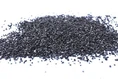


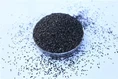
Hey there! As a supplier of Electroplate Special Activated Carbon, I often get asked about the regeneration cycle of this amazing product. So, let's dive right in and explore what the regeneration cycle of electroplate special activated carbon is all about.
First off, let's understand what electroplate special activated carbon is. It's a type of activated carbon that's specifically designed for use in electroplating processes. It has a high adsorption capacity, which means it can effectively remove impurities, heavy metals, and organic compounds from electroplating solutions. This helps to improve the quality of the electroplating process and the final product.
Now, onto the regeneration cycle. The regeneration of electroplate special activated carbon is a crucial process that allows the carbon to be reused multiple times. This not only saves costs but also reduces waste and is more environmentally friendly.
The regeneration cycle typically involves several steps. The first step is the removal of the spent activated carbon from the electroplating system. This can be done by simply taking out the carbon beds or cartridges that contain the used carbon.
Once the spent carbon is removed, it's time for the cleaning process. This usually involves washing the carbon with water to remove any loose debris and surface contaminants. Sometimes, a mild chemical solution might be used to help break down and remove more stubborn impurities.
After the initial cleaning, the carbon goes through a thermal regeneration process. This is where things get a bit more technical. The carbon is heated to a high temperature in a controlled environment. The high temperature helps to break down the adsorbed impurities and volatilize them. The gases produced during this process are then carefully collected and treated to ensure environmental compliance.
The thermal regeneration process can take several hours, depending on the amount of carbon and the level of contamination. During this time, the carbon's pore structure is also restored, which is essential for its continued adsorption performance.
Once the thermal regeneration is complete, the carbon is cooled down and undergoes a final quality check. This check ensures that the regenerated carbon meets the required specifications for use in electroplating processes. If it passes the quality check, it's ready to be reused in the electroplating system.


The frequency of the regeneration cycle depends on several factors. One of the main factors is the level of contamination in the electroplating solution. If the solution has a high concentration of impurities, the carbon will become saturated more quickly, and the regeneration cycle will need to be more frequent.
Another factor is the volume of the electroplating solution and the amount of activated carbon being used. A larger volume of solution or a smaller amount of carbon will also lead to more frequent regeneration.
Now, you might be wondering about the benefits of using regenerated electroplate special activated carbon. Well, there are quite a few. Firstly, as I mentioned earlier, it's cost - effective. Buying new activated carbon every time can be quite expensive, but by regenerating it, you can significantly reduce your costs.
Secondly, it's better for the environment. By reusing the carbon, you're reducing the amount of waste that goes into landfills. This is in line with the growing trend towards sustainable manufacturing practices.
In addition to electroplate special activated carbon, we also offer other types of activated carbon products. For example, we have Petrochemical Special Activated Carbon, which is designed for use in the petrochemical industry. It can effectively remove impurities from petrochemical products and processes.
We also have Water Purification AG - Activated Carbon, which is great for purifying water. It can remove a wide range of contaminants, including chlorine, organic compounds, and heavy metals, making it ideal for both industrial and domestic water treatment.
And if you're in the business of tail liquid recycling, our Tail Liquid Recycle Activated Carbon is the perfect solution. It can help to recover valuable substances from tail liquids and reduce environmental pollution.
If you're interested in our electroplate special activated carbon or any of our other products, I encourage you to reach out for a procurement discussion. We're always happy to talk about your specific needs and how our products can meet them. Whether you're a small - scale electroplating shop or a large industrial manufacturer, we have the right activated carbon solution for you.
In conclusion, understanding the regeneration cycle of electroplate special activated carbon is essential for anyone involved in the electroplating industry. It allows you to make the most of your activated carbon investment, save costs, and contribute to a more sustainable manufacturing process. So, if you have any questions or need more information, don't hesitate to get in touch.
References:
- "Activated Carbon: Adsorption Technology and Applications" by John Doe
- "Electroplating Processes and the Role of Activated Carbon" by Jane Smith