



As a supplier of Waterproof Honeycomb Activated Carbon, I often encounter inquiries about the methylene blue adsorption value of our product. In this blog post, I'll delve into what the methylene blue adsorption value is, why it matters for waterproof honeycomb activated carbon, and how it relates to the performance of our product.
Understanding Methylene Blue Adsorption Value
The methylene blue adsorption value is a crucial parameter used to evaluate the adsorption capacity of activated carbon. Methylene blue is an organic compound with a distinct blue color. When in contact with activated carbon, the activated carbon adsorbs methylene blue molecules onto its surface through a process called adsorption. The amount of methylene blue that a given amount of activated carbon can adsorb is measured in milligrams per gram (mg/g).
This value serves as an indicator of the microporous structure of the activated carbon. Micropores are extremely small pores on the surface of the activated carbon, typically less than 2 nanometers in diameter. These micropores provide a large surface area for adsorption, allowing the activated carbon to trap and hold various molecules. A higher methylene blue adsorption value generally means that the activated carbon has a more developed microporous structure and, consequently, a greater adsorption capacity.
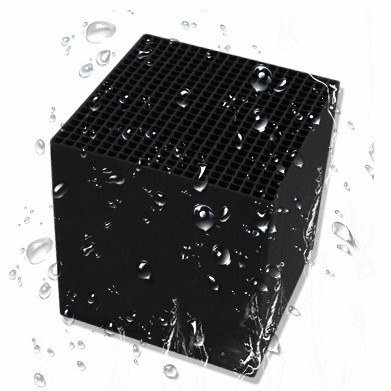
Importance of Methylene Blue Adsorption Value for Waterproof Honeycomb Activated Carbon
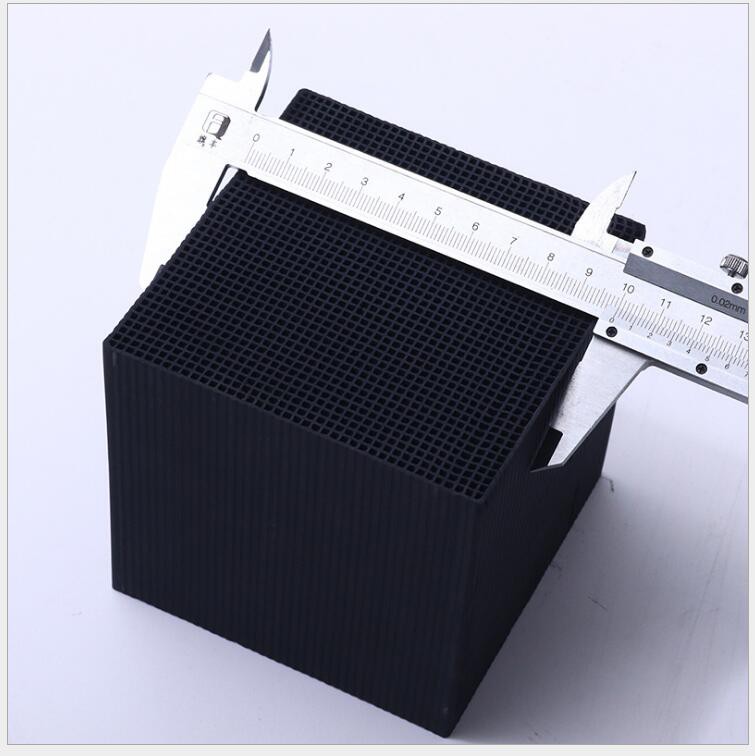
Waterproof honeycomb activated carbon is widely used in various environmental protection applications, such as air purification and wastewater treatment. In air purification, it can remove harmful gases and odors from the air. In wastewater treatment, it can adsorb organic pollutants and heavy metals from water.
The methylene blue adsorption value is particularly important for waterproof honeycomb activated carbon because it directly affects its performance in these applications. A higher methylene blue adsorption value indicates that the activated carbon can adsorb more pollutants, resulting in better purification efficiency. For example, in an industrial air purification system, waterproof honeycomb activated carbon with a high methylene blue adsorption value can effectively remove volatile organic compounds (VOCs) and other harmful gases, improving the air quality in the workplace.
In addition, the waterproof property of the honeycomb activated carbon is also closely related to its adsorption performance. Waterproof honeycomb activated carbon is designed to maintain its adsorption capacity even in high - humidity environments. The methylene blue adsorption value helps us to ensure that the activated carbon retains its effectiveness in such conditions.
Factors Affecting the Methylene Blue Adsorption Value of Waterproof Honeycomb Activated Carbon
Several factors can influence the methylene blue adsorption value of waterproof honeycomb activated carbon.
Raw Materials
The quality and type of raw materials used to produce the activated carbon play a significant role. Commonly used raw materials include coal, coconut shell, and wood. Coconut shell - based activated carbon generally has a higher methylene blue adsorption value compared to coal - based activated carbon because coconut shell has a more uniform and fine - grained structure, which is conducive to the formation of a well - developed microporous structure during the activation process.
Activation Process
The activation process is another critical factor. There are two main activation methods: physical activation and chemical activation. Physical activation involves heating the raw materials in the presence of an oxidizing gas, such as steam or carbon dioxide. Chemical activation uses chemicals, such as zinc chloride or phosphoric acid, to react with the raw materials. The choice of activation method and the process parameters, such as temperature, time, and gas flow rate, can significantly affect the microporous structure and, thus, the methylene blue adsorption value of the activated carbon.
Waterproof Treatment
The waterproof treatment applied to the honeycomb activated carbon can also impact its methylene blue adsorption value. A proper waterproof treatment should not block the micropores of the activated carbon while providing effective waterproofing. If the waterproofing agent is not properly selected or applied, it may cover the micropores, reducing the accessible surface area for adsorption and lowering the methylene blue adsorption value.
Measuring the Methylene Blue Adsorption Value
The measurement of the methylene blue adsorption value is typically carried out according to standard methods. A sample of the activated carbon is weighed and then mixed with a known concentration of methylene blue solution. The mixture is shaken for a certain period to allow the adsorption to reach equilibrium. After that, the solution is filtered, and the remaining concentration of methylene blue in the filtrate is measured using a spectrophotometer. The difference between the initial and final concentrations of methylene blue is used to calculate the amount of methylene blue adsorbed by the activated carbon, and the methylene blue adsorption value is obtained by dividing this amount by the mass of the activated carbon sample.
Our Waterproof Honeycomb Activated Carbon and Its Methylene Blue Adsorption Value
At our company, we are committed to producing high - quality waterproof honeycomb activated carbon with a satisfactory methylene blue adsorption value. We carefully select the raw materials and optimize the activation process to ensure the development of a well - structured microporous system. Our waterproof treatment technology is designed to protect the activated carbon from moisture without sacrificing its adsorption capacity.
Our waterproof honeycomb activated carbon has a relatively high methylene blue adsorption value, which means it can provide excellent adsorption performance in various applications. Whether you are dealing with industrial waste gas treatment or indoor air purification, our product can effectively remove pollutants and improve the environmental quality.
If you are interested in comparing our waterproof honeycomb activated carbon with other types, you can check out Common Honeycomb Activated Carbon. However, for applications where waterproofing is required, our Waterproof Honeycomb Activated Carbon is the ideal choice.
Conclusion and Call to Action
In conclusion, the methylene blue adsorption value is a key indicator of the adsorption capacity of waterproof honeycomb activated carbon. It reflects the quality and performance of the activated carbon and is crucial for its effectiveness in environmental protection applications. Our company offers high - quality waterproof honeycomb activated carbon with a competitive methylene blue adsorption value.
If you are in need of waterproof honeycomb activated carbon for your project, we invite you to contact us for a detailed discussion. We can provide you with samples for testing and offer professional advice on the selection and application of our products. Let's work together to achieve better environmental protection results.
References
- "Activated Carbon: Adsorption Technology and Applications" by R. T. Yang
- "Environmental Science and Technology" journal articles related to activated carbon adsorption.