


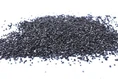

The methylene blue adsorption value is a crucial parameter when evaluating the quality and performance of coconut shell water purification activated carbon. As a leading supplier of Coconut Shell Water Purification Activated Carbon, we understand the significance of this value and its implications for water treatment applications. In this blog post, we will delve into what the methylene blue adsorption value is, why it matters, and how it relates to the effectiveness of our activated carbon products.
Understanding Methylene Blue Adsorption Value
Methylene blue is a synthetic organic compound with a distinct blue color. When used in the context of activated carbon testing, it serves as a model adsorbate to assess the adsorptive capacity of the carbon. The methylene blue adsorption value represents the amount of methylene blue that a given mass of activated carbon can adsorb under specific conditions. It is typically expressed in milligrams of methylene blue per gram of activated carbon (mg/g).
The adsorption process involves the attachment of methylene blue molecules to the surface of the activated carbon. Activated carbon has a highly porous structure, consisting of a network of micropores, mesopores, and macropores. These pores provide a large surface area for adsorption to occur. The methylene blue molecules diffuse into the pores and interact with the carbon surface through various mechanisms, such as van der Waals forces, electrostatic interactions, and chemical bonding.
Why Methylene Blue Adsorption Value Matters
The methylene blue adsorption value is an important indicator of the quality and performance of coconut shell water purification activated carbon for several reasons:
- Adsorptive Capacity: A higher methylene blue adsorption value indicates a greater adsorptive capacity of the activated carbon. This means that the carbon can remove more contaminants from water, including organic compounds, dyes, and other pollutants. In water treatment applications, a high adsorptive capacity is essential for achieving effective purification and meeting water quality standards.
- Pore Structure: The methylene blue adsorption value is closely related to the pore structure of the activated carbon. Activated carbon with a well-developed pore structure, especially a high proportion of micropores, tends to have a higher methylene blue adsorption value. Micropores are particularly effective at adsorbing small molecules, such as methylene blue, and other organic contaminants. Therefore, the methylene blue adsorption value can provide insights into the pore characteristics of the activated carbon and its suitability for specific water treatment applications.
- Quality Control: The methylene blue adsorption value is a widely used quality control parameter in the activated carbon industry. It allows manufacturers to assess the consistency and performance of their products and ensure that they meet the required specifications. By measuring the methylene blue adsorption value, we can verify the quality of our coconut shell water purification activated carbon and provide our customers with a reliable and effective product.
Factors Affecting Methylene Blue Adsorption Value
Several factors can influence the methylene blue adsorption value of coconut shell water purification activated carbon:
- Raw Material: The quality and characteristics of the raw material used to produce the activated carbon can have a significant impact on its methylene blue adsorption value. Coconut shells are a preferred raw material for water purification activated carbon due to their high carbon content, low ash content, and well-developed pore structure. The source and quality of the coconut shells can affect the final properties of the activated carbon, including its methylene blue adsorption value.
- Activation Process: The activation process is a critical step in the production of activated carbon. There are two main types of activation processes: physical activation and chemical activation. Physical activation involves heating the raw material in the presence of an activating gas, such as steam or carbon dioxide, to create pores in the carbon structure. Chemical activation involves treating the raw material with a chemical agent, such as phosphoric acid or zinc chloride, followed by heating to remove the chemical and create pores. The activation process parameters, such as temperature, time, and activating agent concentration, can affect the pore structure and surface properties of the activated carbon, and thus its methylene blue adsorption value.
- Particle Size: The particle size of the activated carbon can also affect its methylene blue adsorption value. Smaller particle sizes generally have a larger surface area and more accessible pores, which can result in a higher methylene blue adsorption value. However, smaller particle sizes may also lead to higher pressure drop in water treatment systems, which can affect the efficiency and cost of the treatment process. Therefore, the particle size of the activated carbon needs to be carefully selected based on the specific application requirements.
Our Coconut Shell Water Purification Activated Carbon
As a supplier of Coconut Shell Water Purification Activated Carbon, we are committed to providing high-quality products with excellent methylene blue adsorption values. Our activated carbon is produced from high-quality coconut shells using a state-of-the-art activation process that ensures a well-developed pore structure and high adsorptive capacity.


We offer a range of Coconut Shell Water Purification Activated Carbon products with different methylene blue adsorption values to meet the diverse needs of our customers. Our products are suitable for various water treatment applications, including drinking water purification, wastewater treatment, and industrial water treatment. Whether you need to remove organic contaminants, dyes, or other pollutants from water, our activated carbon can provide an effective solution.
In addition to Coconut Shell Water Purification Activated Carbon, we also offer other types of activated carbon products, such as Grease Bleaching Activated Carbon and Coconut Shell Activated Carbon for Gold Recovery. These products are designed for specific applications and have unique properties and performance characteristics.
Conclusion
The methylene blue adsorption value is a key parameter for evaluating the quality and performance of coconut shell water purification activated carbon. It provides valuable insights into the adsorptive capacity, pore structure, and suitability of the activated carbon for water treatment applications. As a supplier of high-quality activated carbon products, we understand the importance of the methylene blue adsorption value and ensure that our products meet the highest standards of quality and performance.
If you are interested in learning more about our Coconut Shell Water Purification Activated Carbon or other activated carbon products, please visit our website Coconut Shell Water Purification Activated Carbon for more information. We are always ready to assist you with your water treatment needs and provide you with the best solutions. Contact us today to discuss your requirements and start a partnership with us.
References
- "Activated Carbon: Adsorption Basics and Applications" by Perry A. Roberts
- "Water Treatment Unit Processes: Physical and Chemical" by David W. Hendricks