




What is the mechanical strength of wood powdered activated carbon?
As a dedicated supplier of Wood Powdered Activated Carbon, I often encounter inquiries regarding the mechanical strength of this remarkable product. Understanding the mechanical strength of wood powdered activated carbon is crucial for its diverse applications across various industries.
1. Definition and Importance of Mechanical Strength
Mechanical strength in the context of wood powdered activated carbon refers to its ability to withstand physical forces without significant breakage, attrition, or deterioration. It is a key property that determines the carbon's durability during handling, transportation, and use in different processes.
In industrial applications, high mechanical strength is essential. For example, in water treatment plants using packed - bed filters, the activated carbon needs to resist the forces exerted by the flowing water. If the carbon has low mechanical strength, it will break down into smaller particles, which can lead to increased pressure drop across the filter, clogging, and reduced filtration efficiency. In gas treatment systems, mechanical strength ensures that the carbon maintains its form in the presence of high - velocity gas streams, preventing carbon dust from entering the treated gas and causing downstream problems.
2. Factors Affecting the Mechanical Strength of Wood Powdered Activated Carbon
- Raw Material Quality: The type and quality of the wood used as the raw material play a fundamental role. Hardwoods generally produce activated carbon with higher mechanical strength compared to softwoods. Hardwoods have a denser and more structured cellular arrangement, which translates into a more robust carbon matrix after activation. For instance, oak and maple are commonly used hardwoods for producing high - strength wood powdered activated carbon. The age and growing conditions of the wood also matter. Wood from well - grown, mature trees with a proper density and structure will result in activated carbon with better mechanical characteristics.
- Activation Process: There are two main activation methods: physical activation and chemical activation. In physical activation, steam or carbon dioxide is used at high temperatures to create pores in the carbonized wood. The temperature and duration of the activation process significantly impact the mechanical strength. If the activation is carried out at too high a temperature or for too long, it can over - burn the carbon, weakening its structure. Chemical activation, typically using agents like phosphoric acid or zinc chloride, can also affect mechanical strength. The concentration of the activation agent, the impregnation ratio, and the post - treatment steps all need to be carefully controlled to ensure optimal strength. For example, improper removal of the activating chemical can leave residues that may degrade the mechanical integrity of the carbon over time.
- Particle Size: The size of the powdered activated carbon particles is closely related to its mechanical strength. Smaller particles generally have higher surface - area - to - volume ratios, which can make them more susceptible to breakage. However, larger particles may have lower internal diffusion rates, affecting the adsorption performance. A balance needs to be struck between particle size for good adsorption and mechanical strength. During the manufacturing process, particle size is controlled through methods such as grinding and screening to achieve the desired balance.
3. Measuring the Mechanical Strength of Wood Powdered Activated Carbon
There are several standard methods for measuring the mechanical strength of wood powdered activated carbon.
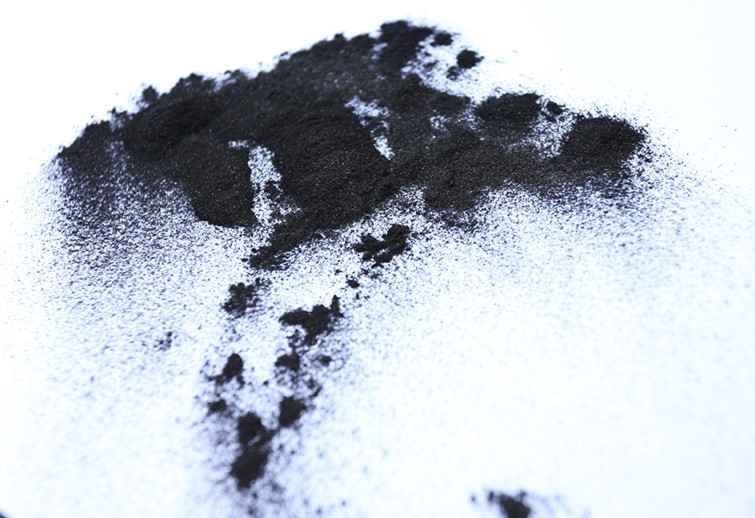
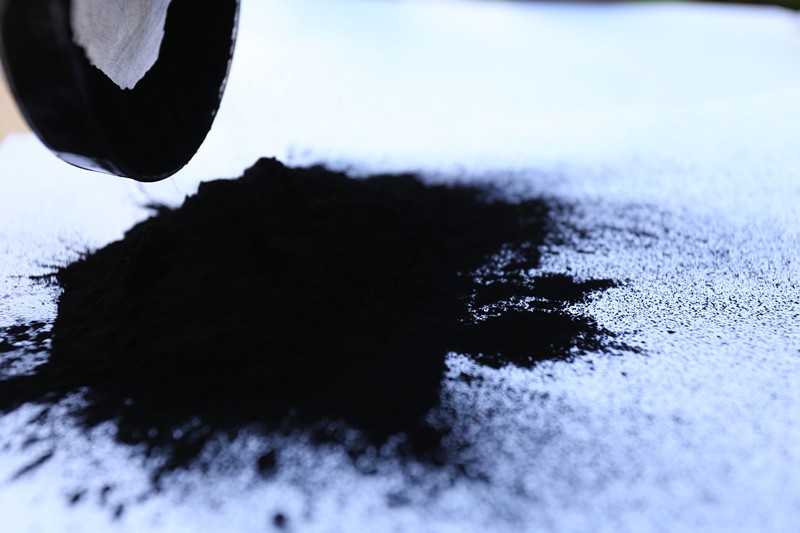
- Abrasion Resistance Testing: In this test, a sample of the activated carbon is subjected to abrasive forces, usually by tumbling it with a specified abrasive material in a rotating drum for a set period. The loss in weight of the carbon due to abrasion is then measured. A lower weight loss indicates higher abrasion resistance and better mechanical strength. For example, the ASTM D5220 standard outlines a method for measuring the attrition resistance of granular activated carbon, which can also be adapted for powdered activated carbon to some extent.
- Compressive Strength Testing: This method involves applying a gradually increasing compressive force to a carbon sample until it breaks. The maximum force the sample can withstand before failure is recorded as its compressive strength. While this test is more commonly used for larger carbon granules or blocks, it can provide some insights into the structural integrity of wood powdered activated carbon when compressed into pellets or agglomerates.
4. Comparison with Coal - Based Powdered Activated Carbon
When compared to Coal - Based Powdered Activated Carbon, wood powdered activated carbon often has some unique mechanical strength characteristics. Coal - based activated carbon is generally more dense and can have higher compressive strength in some cases due to the nature of coal as a raw material. However, wood powdered activated carbon can offer a more favorable balance between mechanical strength and other important properties such as adsorption capacity and environmental friendliness. Wood is a renewable resource, and the activated carbon produced from it has a more porous and lighter structure. In applications where a balance of properties is required, wood powdered activated carbon can be a preferred choice despite potentially having slightly lower compressive strength compared to some coal - based counterparts.
5. Impact of Mechanical Strength on Application Performance
- Adsorption Processes: In both liquid and gas adsorption applications, the mechanical strength of wood powdered activated carbon can affect the overall performance. In a liquid - phase adsorption process, such as wastewater treatment, if the carbon breaks down during the treatment process, the fine particles can be difficult to separate from the treated water, leading to additional filtration requirements. In gas - phase adsorption, for example, in the removal of volatile organic compounds (VOCs) from industrial exhaust gases, a carbon with low mechanical strength may generate dust that can damage downstream equipment such as fans and heat exchangers.
- Regeneration: If the activated carbon is intended for regeneration and reuse, mechanical strength becomes even more critical. During the regeneration process, which often involves high - temperature treatment or chemical washing, the carbon needs to maintain its structural integrity. A carbon with good mechanical strength will better withstand the stresses of regeneration, allowing for multiple cycles of use and reducing the overall cost of the treatment process.
6. Ensuring High - Quality Mechanical Strength in Our Products
As a supplier, we take several measures to ensure that our wood powdered activated carbon has excellent mechanical strength. We carefully select the raw materials, sourcing high - quality hardwood from sustainable forests. Our activation process is strictly controlled, with precise monitoring of temperature, time, and activation agent concentration. We also conduct thorough quality control tests on every batch of our product, including abrasion resistance and particle size analysis. This ensures that the carbon we supply meets or exceeds the required mechanical strength standards for our customers' applications.
If you are in the market for wood powdered activated carbon and are concerned about its mechanical strength for your specific application, we are here to assist you. Our team of experts can provide detailed information, samples for testing, and guidance on the best product selection based on your requirements. Whether you are in the water treatment, food and beverage, or pharmaceutical industry, we have the right wood powdered activated carbon solution for you. Don't hesitate to reach out to us to start a discussion about your purchasing needs and let us help you find the optimal solution for your processes.
References
- ASTM D5220 - Standard Test Method for Attrition Resistance of Granular Activated Carbon.
- "Activated Carbon: Fundamentals and Applications" by Radovic, L. R., et al.
- "Wood Science and Technology" journals for in - depth research on wood as a raw material for activated carbon.