




What is the maximum pressure that a carbon rod filter element with special activated carbon can withstand?
As a supplier of Carbon Rod Filter Element Special Activated Carbon, I often encounter inquiries from customers about the performance and capabilities of our products. One of the most common questions is about the maximum pressure that a carbon rod filter element with our special activated carbon can withstand. In this blog post, I will delve into this topic, exploring the factors that influence pressure resistance and providing some insights based on our experience and industry knowledge.
Understanding Carbon Rod Filter Elements with Special Activated Carbon
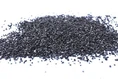
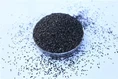
Carbon rod filter elements are widely used in various filtration applications, including water purification, air filtration, and industrial processes. These filter elements are made by compressing activated carbon into a solid rod shape, which provides a large surface area for adsorption and filtration. The special activated carbon used in these filter elements is typically derived from high - quality raw materials, such as coconut shells, and undergoes a series of activation processes to enhance its adsorption capacity and other properties.
The performance of a carbon rod filter element is determined by several factors, including the quality of the activated carbon, the manufacturing process, and the design of the filter element. When it comes to pressure resistance, these factors play crucial roles.
Factors Affecting Pressure Resistance
Quality of Activated Carbon
The quality of the activated carbon is a fundamental factor in determining the pressure resistance of the carbon rod filter element. High - quality activated carbon has a well - developed pore structure and high mechanical strength. For example, Carbon Rod Filter Element Special Activated Carbon derived from coconut shells often has excellent mechanical properties. The coconut shell - based activated carbon has a relatively high density and a strong internal structure, which allows it to better withstand pressure without breaking or deforming.
Manufacturing Process
The manufacturing process of the carbon rod filter element also significantly affects its pressure resistance. During the manufacturing process, the activated carbon is compressed under specific conditions. If the compression is too loose, the filter element may not be able to withstand high pressure, as the carbon particles can easily move and break apart. On the other hand, if the compression is too tight, it may reduce the porosity of the filter element, affecting its filtration efficiency. Our company has developed advanced manufacturing techniques to ensure the optimal compression of the carbon rod filter elements, which helps to enhance their pressure resistance while maintaining good filtration performance.
Design of the Filter Element
The design of the carbon rod filter element, such as its shape, size, and the presence of support structures, can influence its pressure - bearing capacity. For instance, a filter element with a larger diameter and shorter length may have better pressure resistance compared to a long and thin one. Additionally, the use of support structures inside the filter element, such as a porous core or a reinforced outer layer, can help distribute the pressure evenly and prevent the carbon rod from collapsing under pressure.
Determining the Maximum Pressure
To determine the maximum pressure that a carbon rod filter element with our special activated carbon can withstand, we conduct a series of tests. These tests involve subjecting the filter elements to gradually increasing pressure in a controlled environment and monitoring their performance. We measure parameters such as the integrity of the filter element, the change in filtration efficiency, and the leakage rate under different pressure conditions.
Based on our extensive testing and experience, the carbon rod filter elements made with our Carbon Rod Filter Element Special Activated Carbon can generally withstand pressures ranging from 5 to 15 bar, depending on the specific design and application requirements. However, it's important to note that these values are approximate, and the actual maximum pressure may vary depending on the factors mentioned above.


Applications and Pressure Requirements
Different applications have different pressure requirements for carbon rod filter elements. In water purification systems, for example, the pressure in a household water filter is usually relatively low, typically around 1 - 3 bar. In industrial water treatment or high - flow filtration systems, the pressure can be much higher, sometimes reaching 10 bar or more. Our carbon rod filter elements are designed to meet the diverse pressure requirements of various applications. Whether it's a small - scale residential filter or a large - scale industrial filtration system, we can provide suitable products.
In air filtration applications, the pressure drop across the filter element is also an important consideration. Although the pressure in air filtration systems is generally lower compared to water filtration, the filter element still needs to maintain its structural integrity to ensure efficient filtration. Our carbon rod filter elements can effectively handle the pressure variations in air filtration applications, providing reliable performance.
Other Considerations
In addition to pressure resistance, there are other factors that customers should consider when choosing carbon rod filter elements. One of these factors is the adsorption capacity of the activated carbon. Different types of contaminants require different adsorption capabilities. For example, Cigarette Filter Special Activated Carbon is designed to adsorb specific harmful substances in cigarette smoke, while Grease Bleaching Activated Carbon is used to remove impurities and colorants from grease.
Another consideration is the service life of the filter element. A filter element with high pressure resistance and good adsorption capacity may still need to be replaced regularly to ensure optimal performance. Our company provides detailed information and guidelines on the maintenance and replacement of our filter elements to help customers get the most out of their products.
Contact for Procurement
If you are interested in our Carbon Rod Filter Element Special Activated Carbon or have specific requirements for carbon rod filter elements, we welcome you to contact us for procurement discussions. We have a team of experts who can provide you with detailed product information, technical support, and customized solutions based on your needs. Our goal is to provide high - quality products and excellent service to our customers.
References
- "Activated Carbon: Surface Chemistry, Adsorption Kinetics, and Applications" by [Author's Name], [Publication Year]
- "Filtration Technology: Principles and Applications" by [Author's Name], [Publication Year]
- Industry reports and technical documents related to carbon rod filter elements and activated carbon.