




Hey there! As a supplier of Coal-Based Powdered Activated Carbon, I often get asked about the magnetic property of this amazing product. So, I thought I'd write a blog post to shed some light on this topic.
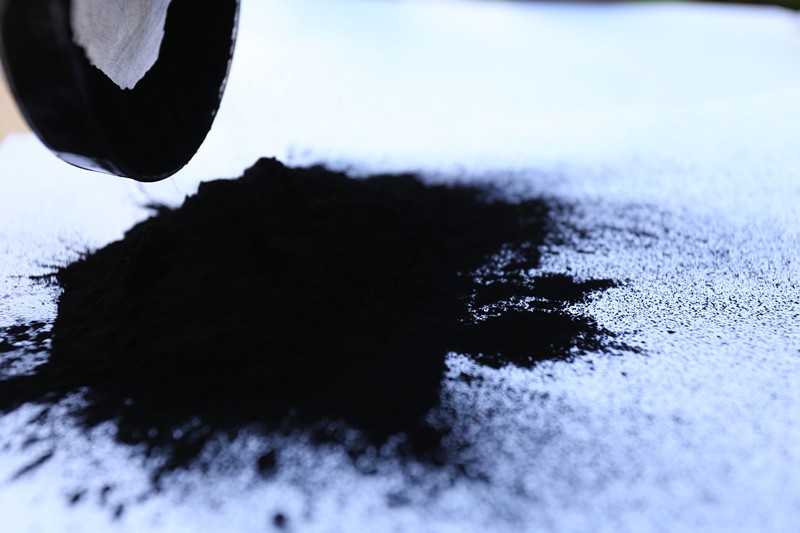
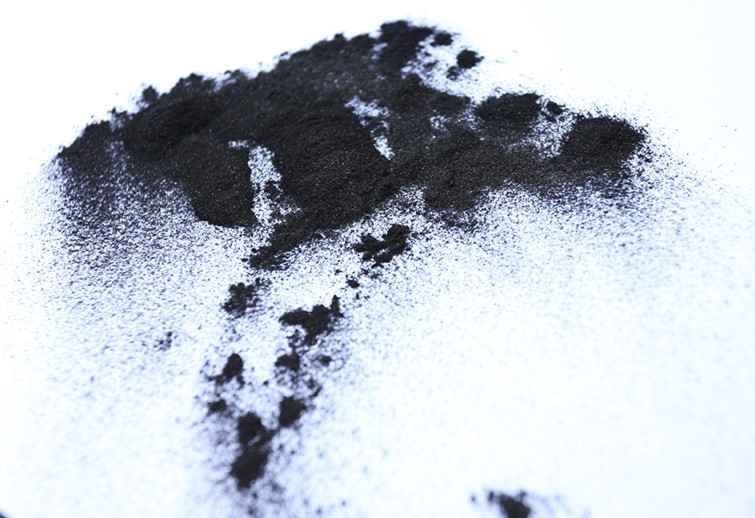
First off, let's understand what coal-based powdered activated carbon is. It's a highly porous material made from coal that has been processed to increase its surface area. This makes it extremely effective at adsorbing various substances, which is why it's widely used in water treatment, air purification, and many other industries.
Now, onto the magnetic property. Coal-based powdered activated carbon itself is not inherently magnetic. The carbon structure in it doesn't possess the kind of atomic arrangement that would give rise to magnetic behavior like you'd see in materials such as iron or magnets.
However, there are situations where coal-based powdered activated carbon might seem to show some magnetic - like behavior. One reason could be contamination. During the production process, if there are traces of magnetic materials like iron particles from the machinery or the raw coal source itself contains some magnetic impurities, the activated carbon can pick up a bit of magnetism. These impurities can be attracted to a magnet, giving the false impression that the carbon is magnetic.
Another aspect to consider is the use of magnetic separation techniques in the purification of coal - based powdered activated carbon. Sometimes, manufacturers use magnetic separation to remove magnetic impurities from the activated carbon. This process involves passing the carbon through a magnetic field. The magnetic impurities are attracted to the magnetic source, and the purified carbon is left behind. So, while the carbon isn't magnetic, the separation process is based on the presence of magnetic contaminants.
Let's talk about how this magnetic property (or lack thereof) affects its applications. In water treatment, for example, the non - magnetic nature of coal - based powdered activated carbon is actually an advantage. It won't interfere with any magnetic sensors or equipment in the treatment plants. When it's added to water to adsorb pollutants, it just does its job without causing any magnetic disruptions.
In air purification systems, the same holds true. The non - magnetic property ensures that the carbon doesn't cause any issues with the magnetic components of the air filters or ventilation systems. It can freely adsorb harmful gases and particles in the air without getting stuck to any magnetic parts.
Now, let's compare coal - based powdered activated carbon with Wood Powdered Activated Carbon. Wood - based activated carbon also generally isn't magnetic for the same reasons as coal - based carbon. However, the source materials are different, and this can lead to differences in their adsorption capabilities and physical properties. Coal - based carbon often has a higher density and a different pore structure compared to wood - based carbon, which can affect how they perform in different applications.
If you're in the market for high - quality Coal - Based Powdered Activated Carbon, you've come to the right place. As a supplier, I can offer you a product that is carefully processed to ensure high purity and excellent adsorption performance. Whether you're using it for water treatment, air purification, or other industrial applications, our coal - based powdered activated carbon is up to the task.
If you have any questions about our product, its magnetic property, or how it can fit into your specific needs, don't hesitate to reach out. We're always here to help you find the best solution for your business. Whether you're a small - scale user or a large industrial company, we can work with you to meet your requirements.
In conclusion, coal - based powdered activated carbon is generally non - magnetic, but there can be cases of magnetic contamination. Understanding this property is important for its proper use in various applications. And if you're looking for a reliable source of coal - based powdered activated carbon, we're here to assist you.
References
- "Activated Carbon: Surface Chemistry, Adsorption Kinetics, and Applications" by various authors.
- Industry reports on the production and use of coal - based powdered activated carbon.