


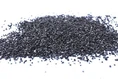


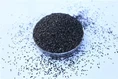
Hey there! As a supplier of Common Honeycomb Activated Carbon, I've been thinking a lot about how the concentration of pollutants can mess with the adsorption performance of this awesome product. So, let's dive right in and explore this topic.
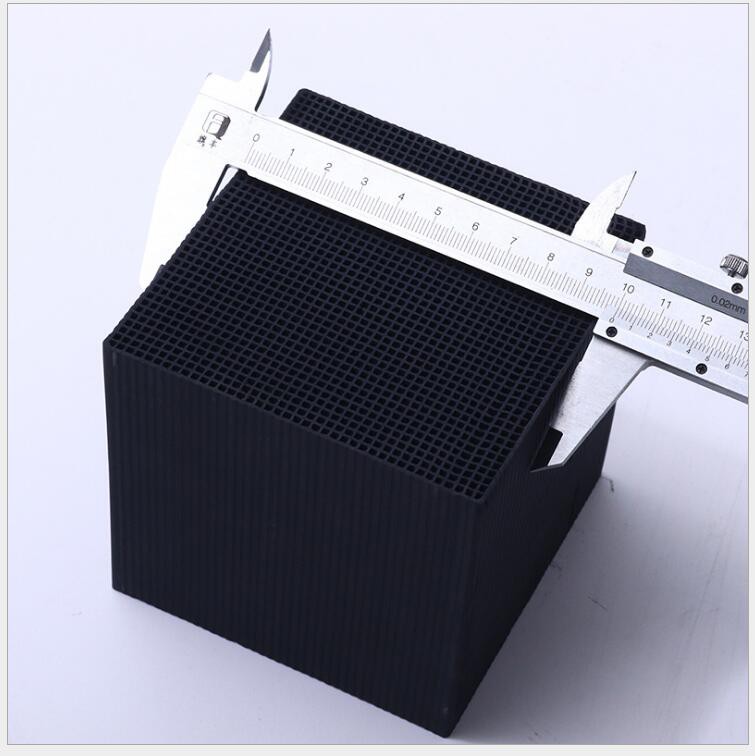
First off, what's Common Honeycomb Activated Carbon? Well, it's a type of activated carbon that comes in a honeycomb - like structure. This unique shape gives it a large surface area, which is super important for adsorption. You can check out more about it here: Common Honeycomb Activated Carbon.
Now, let's talk about pollutants. Pollutants can be all sorts of things, like volatile organic compounds (VOCs), heavy metals, and even some gases. The concentration of these pollutants in the environment where the activated carbon is used can have a huge impact on how well it works.
When the concentration of pollutants is low, Common Honeycomb Activated Carbon usually does a pretty great job. The pollutants have plenty of available adsorption sites on the surface of the carbon. The carbon's porous structure allows the pollutants to easily penetrate and get trapped. It's like a big, hungry sponge soaking up all the bad stuff.
But as the concentration of pollutants goes up, things start to get a bit tricky. At high pollutant concentrations, the adsorption sites on the activated carbon can get filled up really quickly. Once these sites are occupied, the carbon's ability to adsorb more pollutants decreases. It's like trying to fit more clothes into a closet that's already stuffed to the brim.
One of the main factors affected by high pollutant concentration is the adsorption rate. At low concentrations, the rate at which pollutants are adsorbed is relatively fast. The pollutants can easily find an empty spot on the carbon surface and stick to it. However, when the concentration is high, the competition among the pollutant molecules for the available adsorption sites increases. This slows down the adsorption rate.
Another issue is the saturation of the activated carbon. High - concentration pollutant environments can cause the carbon to reach its saturation point much faster. Once saturated, the carbon is no longer effective at removing pollutants. It needs to be replaced or regenerated. And let me tell you, replacing or regenerating activated carbon can be a hassle and an added cost.
Let's take VOCs as an example. VOCs are common pollutants found in many industrial settings, like paint shops and printing factories. At low concentrations, Common Honeycomb Activated Carbon can effectively remove these VOCs from the air. But in a factory where there's a high - volume production process releasing large amounts of VOCs, the carbon may become saturated in a short period.
Now, you might be wondering if there's a way to deal with high - concentration pollutant situations. Well, one option is to use a larger amount of activated carbon. By increasing the quantity, you're providing more adsorption sites, which can handle the higher load of pollutants. Another approach is to use a combination of different types of activated carbon or other treatment methods. For instance, you could pre - treat the polluted air or water to reduce the pollutant concentration before it reaches the Common Honeycomb Activated Carbon.
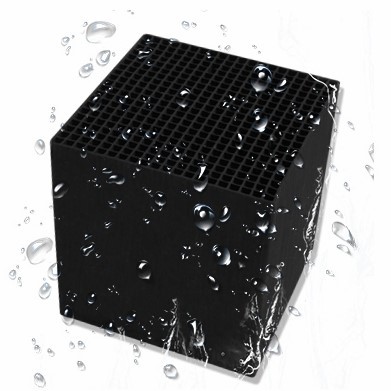
There's also something called Waterproof Honeycomb Activated Carbon, which can be useful in certain situations. This type of carbon is designed to resist water and can be used in environments where there's moisture present. You can learn more about it here: Waterproof Honeycomb Activated Carbon.
In some cases, the type of pollutants also matters. Different pollutants have different adsorption affinities for the activated carbon. Some pollutants may be more easily adsorbed than others, even at high concentrations. For example, heavy metals like lead and mercury may have a stronger affinity for the carbon surface compared to some lighter gases.
So, as a supplier of Common Honeycomb Activated Carbon, I always recommend that my customers consider the pollutant concentration in their specific environment. If you're dealing with a low - concentration situation, a standard amount of our carbon should work just fine. But if you've got a high - concentration problem, we can work together to come up with a customized solution.
Whether you're running a small business or a large industrial facility, understanding the impact of pollutant concentration on the adsorption performance of Common Honeycomb Activated Carbon is crucial. It can help you make informed decisions about how much carbon to use, when to replace it, and what other treatment methods you might need.
If you're interested in learning more about our Common Honeycomb Activated Carbon or have any questions about how it can work for your specific pollutant - removal needs, don't hesitate to reach out. We're here to help you keep your environment clean and pollutant - free.
In conclusion, the concentration of pollutants has a significant impact on the adsorption performance of Common Honeycomb Activated Carbon. Low concentrations allow for efficient adsorption, while high concentrations can lead to reduced adsorption rates, faster saturation, and overall decreased effectiveness. By being aware of these factors, you can optimize the use of this great product.
References
- Brown, A. (2018). Activated Carbon Adsorption: Principles and Applications. Academic Press.
- Smith, J. (2020). Pollutant Removal Technologies. Wiley - Blackwell.