


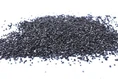


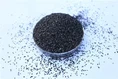
Hey there, fellow liquor enthusiasts and industry insiders! I'm a supplier of Liquor Special Activated Carbon, and today I wanna chat about something super important in the liquor world: the impact of Liquor Special Activated Carbon on the acidity of liquor.
First off, let's get a bit of background on what Liquor Special Activated Carbon is. It's a specialized form of activated carbon that's designed specifically for use in the liquor industry. Liquor Special Activated Carbon has unique properties that make it ideal for purifying and refining liquor. It can adsorb impurities, unwanted flavors, and odors, which helps to improve the overall quality of the liquor.
Now, let's dive into the main topic: acidity in liquor. Acidity plays a crucial role in the taste, aroma, and stability of liquor. Different types of liquor have different optimal acidity levels. For example, wine often benefits from a certain level of acidity as it gives it a fresh and crisp taste. In spirits, acidity can also influence the flavor profile and mouthfeel.


So, how does Liquor Special Activated Carbon affect the acidity of liquor? Well, one of the key ways is through adsorption. Activated carbon has a large surface area with lots of tiny pores. These pores can trap various substances, including acids. When liquor is treated with Liquor Special Activated Carbon, some of the acidic components in the liquor can be adsorbed onto the surface of the carbon.
This adsorption process can have both positive and negative impacts. On the positive side, if the liquor has an excessive amount of acid, using Liquor Special Activated Carbon can help to reduce the acidity to a more desirable level. This can result in a smoother and more balanced taste. For instance, if a spirit has a harsh, acidic edge, the carbon can help to mellow it out and make it more palatable.
However, it's important to note that the adsorption of acids isn't always a straightforward process. The type of acid and its chemical structure can affect how easily it's adsorbed by the carbon. Some acids may be more strongly adsorbed than others. Also, the contact time between the liquor and the carbon, as well as the amount of carbon used, can influence the degree of acid adsorption.
Another factor to consider is that while reducing excessive acidity can be beneficial, over - treating the liquor with activated carbon can lead to an unwanted reduction in acidity. If too much acid is removed, the liquor may lose some of its characteristic freshness and complexity. It could end up tasting flat and lackluster. So, finding the right balance is crucial.
Let's talk about some practical applications. In the production of whiskey, for example, the acidity of the wash (the fermented mixture before distillation) can vary. If the wash has a high acidity, it can potentially affect the flavor of the final whiskey. By using Liquor Special Activated Carbon during the purification process, distillers can adjust the acidity to ensure a consistent and high - quality product.
In the wine industry, winemakers may also use activated carbon to manage acidity. If a batch of wine has an unbalanced acidity, the carbon can be used to fine - tune the levels and improve the overall taste.
Now, I'd like to mention some other types of activated carbon that are related to our topic. Coal Columnar Activated Carbon and Coal Broken Activated Carbon are also commonly used in various industries. While they may not be as specialized for liquor as Liquor Special Activated Carbon, they still have their own unique properties and applications. Coal Columnar Activated Carbon, for example, is often used in water treatment and gas purification due to its high mechanical strength and large adsorption capacity. Coal Broken Activated Carbon is known for its high porosity and is used in a variety of adsorption processes.
If you're in the liquor production business, you might be wondering how to use Liquor Special Activated Carbon effectively to manage acidity. Here are some tips. First, start with a small - scale test. Treat a small sample of your liquor with different amounts of carbon and different contact times. Then, taste and analyze the samples to see how the acidity and flavor have changed. This will help you determine the optimal treatment conditions for your specific liquor.
Also, make sure to source high - quality Liquor Special Activated Carbon. The quality of the carbon can have a big impact on its adsorption performance. As a supplier, I can attest to the importance of providing carbon that meets the highest standards.
In conclusion, Liquor Special Activated Carbon can have a significant impact on the acidity of liquor. It can be a powerful tool for adjusting acidity levels and improving the overall quality of the product. However, it needs to be used carefully to avoid over - or under - treating the liquor.
If you're interested in learning more about how Liquor Special Activated Carbon can benefit your liquor production or if you're looking to purchase high - quality carbon for your business, I'd love to have a chat. Feel free to reach out and we can discuss your specific needs and how we can work together to enhance your liquor products.
References
- "Activated Carbon in the Food and Beverage Industry" - A comprehensive industry report on the use of activated carbon in various food and beverage applications.
- "Chemistry of Liquor Production" - A textbook that covers the chemical processes involved in liquor making, including the role of acidity.