


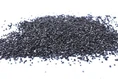


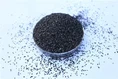
As a supplier of Cigarette Filter Special Activated Carbon, I've been deeply involved in the production and research of this product for quite some time. One of the key factors that significantly affects the properties of our Cigarette Filter Special Activated Carbon is the carbonization time. In this blog, I'll share my insights on how carbonization time impacts the properties of this special activated carbon.
Understanding Carbonization in Activated Carbon Production
Before diving into the impact of carbonization time, let's quickly go over what carbonization is. Carbonization is a process where organic materials are heated in the absence of oxygen. For our Cigarette Filter Special Activated Carbon, we typically start with high - quality coconut shells. When these shells are carbonized, the volatile components are removed, and a carbon - rich structure is formed. This carbonized material then serves as the base for further activation processes to enhance its adsorption properties.
Impact on Pore Structure
The pore structure of activated carbon is crucial, especially for cigarette filter applications. It determines how well the carbon can adsorb harmful substances from tobacco smoke. Carbonization time plays a major role in shaping this pore structure.
When the carbonization time is relatively short, say around 1 - 2 hours, the pores in the activated carbon are generally smaller and less developed. The carbonized material still retains a significant amount of unreacted organic matter. This can lead to a lower surface area, which means the activated carbon has a limited capacity to adsorb the various chemicals present in tobacco smoke.
On the other hand, if we extend the carbonization time to 3 - 4 hours, the organic material is more thoroughly decomposed. This results in the formation of larger and more interconnected pores. A longer carbonization time allows for the removal of more volatile components, creating a more open and accessible pore network. As a result, the surface area of the activated carbon increases, and it becomes more effective at adsorbing harmful substances such as nicotine and tar.
However, if the carbonization time is too long, say over 5 hours, the excessive heat can start to collapse some of the pores. This leads to a decrease in the surface area and a reduction in the adsorption capacity. So, finding the optimal carbonization time is a delicate balance.
Impact on Adsorption Capacity
The adsorption capacity of Cigarette Filter Special Activated Carbon is directly related to its pore structure, as we've discussed. A well - developed pore structure due to an appropriate carbonization time means better adsorption.
With a short carbonization time and limited pore development, the activated carbon can only adsorb a relatively small amount of harmful substances from tobacco smoke. This means that the cigarette filter may not be as effective in reducing the intake of toxins for the smoker.
When the carbonization time is optimized, the activated carbon can adsorb a much larger quantity of nicotine, tar, and other harmful chemicals. This is because the increased surface area and well - connected pores provide more sites for the adsorption process. Smokers using cigarettes with filters containing this well - carbonized activated carbon can potentially reduce their exposure to these harmful substances.
But if the carbonization time is excessive, the reduced surface area and pore collapse lead to a drop in adsorption capacity. This defeats the purpose of using activated carbon in cigarette filters, as it fails to effectively remove the harmful components from the smoke.
Impact on Mechanical Strength
Mechanical strength is also an important property for Cigarette Filter Special Activated Carbon. The activated carbon needs to withstand the physical forces during the manufacturing process of cigarette filters and also when the smoker inhales through the filter.
A short carbonization time may result in a relatively weak activated carbon structure. The unreacted organic matter can make the carbonized material more brittle and less able to withstand mechanical stress. This can lead to the breakage of the activated carbon particles during the filter - making process or when the cigarette is smoked, reducing its effectiveness.
As the carbonization time increases, the carbon structure becomes more stable. The removal of volatile components and the formation of a more ordered carbon matrix enhance the mechanical strength of the activated carbon. This means that the activated carbon particles are less likely to break, ensuring a more consistent performance in the cigarette filter.
However, if the carbonization time is too long, the excessive heat can cause the carbon structure to become overly rigid. This can make the activated carbon more prone to cracking under stress, again reducing its mechanical integrity.
Finding the Optimal Carbonization Time
Based on our experience and research, the optimal carbonization time for Cigarette Filter Special Activated Carbon usually lies between 3 and 4 hours. This time allows for a good balance between pore development, adsorption capacity, and mechanical strength.


During this time frame, the coconut shells are carbonized to form a well - structured carbon matrix with a high surface area and well - connected pores. The activated carbon produced has excellent adsorption properties for harmful substances in tobacco smoke, while also maintaining sufficient mechanical strength to withstand the manufacturing and usage processes.
Other Related Products
We also offer other types of activated carbon, such as Electricity High Pure Water Special Activated Carbon and Grease Bleaching Activated Carbon. These products are designed for specific applications and also have their own unique production requirements.
Contact for Purchase
If you're in the market for high - quality Cigarette Filter Special Activated Carbon, feel free to reach out to us. We're always ready to discuss your specific needs and provide you with the best - suited products. Our team of experts can also offer technical support and advice on the use of our activated carbon in your cigarette filter production.
References
- "Activated Carbon: Surface Chemistry, Adsorption and Catalysis" by Radovic, L. R.
- "Carbon Materials for Advanced Technologies" edited by Thrower, P. A.